Life

Artificial human digestive system to be used for nutritional research

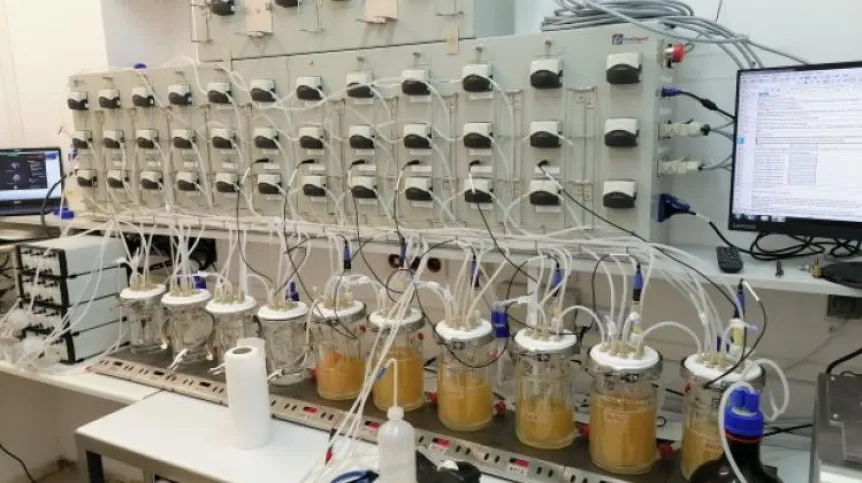
Artificial digestive tract. Credit: WULS-SGGW

Equipment that enables a faithful simulation and monitoring of the processes taking place in our intestines will be used for research work at the Institute of Human Nutrition Sciences, Warsaw University of Life Sciences.

According to the university, the dynamic model of the digestive tract SHIME2® enables the study of microbiota, i.e. all microorganisms that inhabit the human digestive system: bacteria, viruses, fungi, yeasts and protozoa.

Scientists will use the equipment in research on the digestive system of children, adults and the elderly. The artificial digestive tract will be used to conduct experiments in the field of metabolism of dietary components and their impact on the gut microbiota. Probiotic food research will also be carried out.

The equipment was purchased as part of the modernization of the WULS-SGGW campus in order to create the Food and Nutrition R&D Centre. The Warsaw University of Life Sciences is the first university in Poland to use this technology.

PAP - Science in Poland

kol/ agt/ kap/

tr. RL
The PAP Foundation allows free reprinting of articles from the Nauka w Polsce portal provided that we are notified once a month by e-mail about the fact of using the portal and that the source of the article is indicated. On the websites and Internet portals, please provide the following address: Source: www.scienceinpoland.pl, while in journals – the annotation: Source: Nauka w Polsce - www.scienceinpoland.pl. In case of social networking websites, please provide only the title and the lead of our agency dispatch with the link directing to the article text on our web page, as it is on our Facebook profile.

More on this topic

  • Adobe Stock

    Scientists grow lab-made blood vessels offering alternative to animal testing

  • Adobe Stock

    Biosynthetic drug could ‘transform treatment of infections, cancer and neurological disease’

Before adding a comment, please read the Terms and Conditions of the Science in Poland forum.