
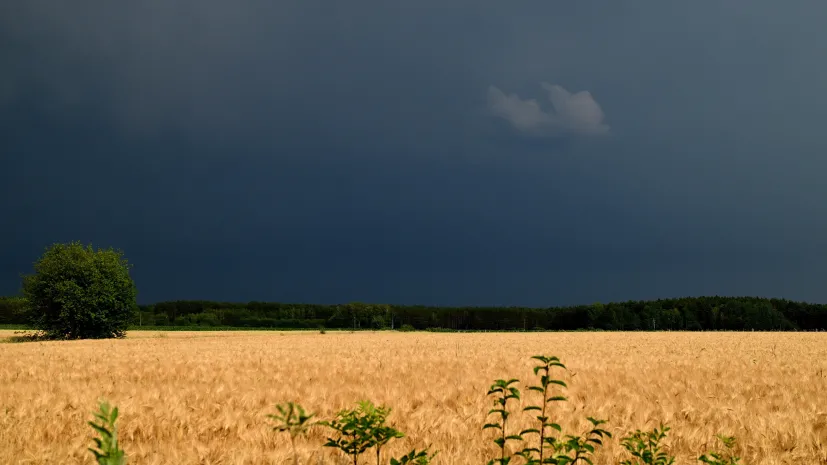
Scientists turn thunder into a tool for seeing underground
Sound waves that create thunder during a storm can cause not only window panes to vibrate, but also the ground. A study involving a Polish researcher has shown that the very weak seismic tremors created in this way can be used to image the structure of the subsurface to a depth of 100 metres.
-
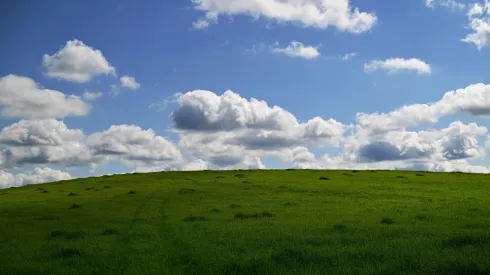
‘I wandered lonely as a cloud’…but fewer clouds mean more UV exposure across Europe
The English poet William Wordsworth may have wandered “lonely as a cloud”, but fewer clouds over Europe are bringing more UV radiation to the ground, a study involving Polish researchers has found.
-

The 18 volcano myths that could put lives at risk
Volcano myths and misleading terminology can make people underestimate real, life-threatening dangers, while alarmist coverage can fuel unnecessary panic, according to an international team of volcanologists.
-
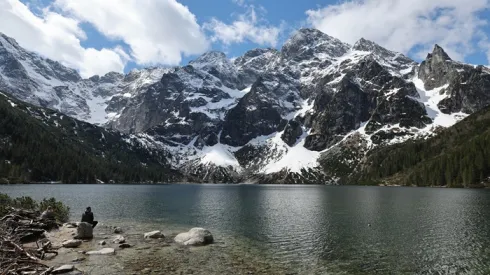
Rivers did the digging: New study rewrites how the Tatras took shape
Scientists from Poland and the United States have found that rivers were primarily responsible for deepening the valleys on the northern side of the Tatra Mountains, while glaciers later widened and reshaped the existing terrain.
-
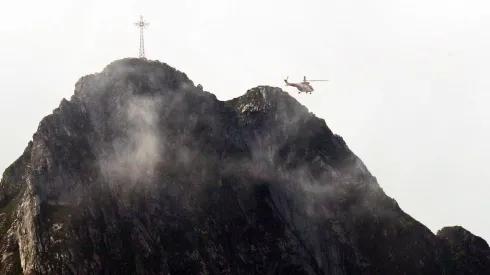
Lightning hit 131 tourists on a Polish mountain - now scientists reveal the lessons that could save lives
People's clothes caught fire, shoes exploded, and large pieces of rock flew through the air like projectiles. These were the events on Poland’s Mt. Giewont on August 22, 2019, when an exceptionally powerful lightning strike hit a large group of people attempting to evacuate from the summit area.
-
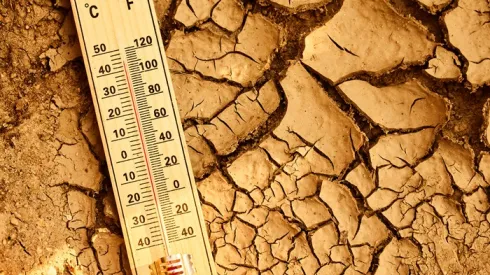
Poland has warmed by more than 2°C since mid-20th century, institute data shows
The average annual temperature in Poland has increased by more than 2.3°C between 1951 and 2024, according to long-term data from the Institute of Meteorology and Water Management – National Research Institute, alongside growing impacts from heatwaves, droughts and extreme rainfall.
-
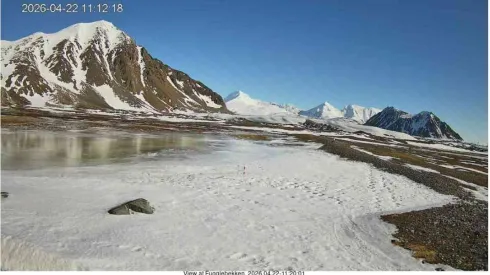
Polish research team fails to reach Spitsbergen glacier due to lack of snow
A Polish research team has been unable to reach the Polish Polar Station Hornsund for the first time in decades after record warmth and a lack of snow made snowmobile travel impossible, scientists involved in the expedition told PAP.
-
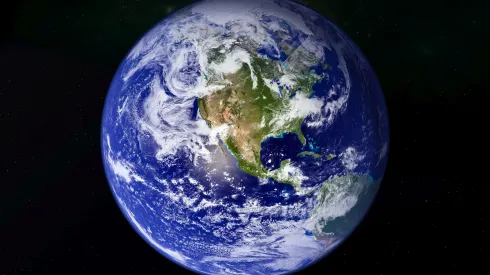
Moon helps scientists track hidden air pollution over Arctic and Antarctic
The air over the Arctic and Antarctic may look perfectly clean, but scientists say it still contains tiny particles of dust, smoke and sea salt that can affect weather and climate.
-
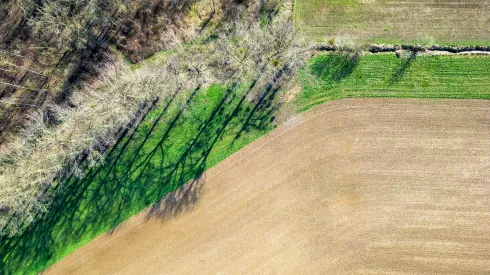
Pollinator survival depends on soil quality, study finds
Pollinator survival depends on soil quality, scientists involved in a pan-European research initiative said, announcing a four-year project to examine how soil condition and management affect pollinating insects and what measures could better protect them.
-
2025 third-warmest year on record as climatologist warns of new “climate norm”
Global temperatures in 2025 reached the third-highest level on record, edging close to 1.5 degrees Celsius above pre-industrial averages and signaling the emergence of a new “climate norm.”
Most Popular
-

Polish archaeologists uncover ‘lavish home of Roman legion commander’
-
Nightingale songs may tell mice when it’s safe to feed
-
People who struggle with uncertainty choose like-minded friends
-
Brain model reveals how neural chaos is kept under control
-
Nanoplastics trigger stress in human immune cells within an hour