
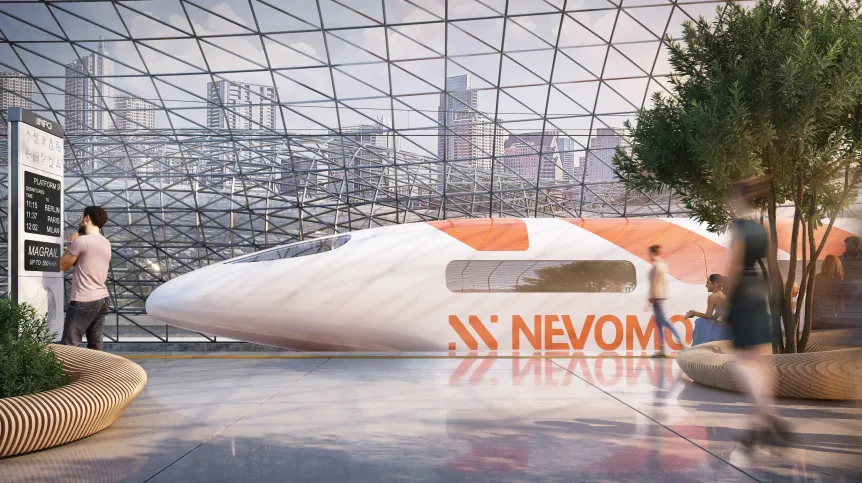
A Polish inventor whose magnetic rail technology has been shortlisted for the European Inventor Award 2026 says trains travelling at speeds of up to 550 km/h on existing rail infrastructure could become a reality within about a decade.
Przemek Ben Pączek, founder and chief executive of rail technology company Nevomo, is among the finalists in the small and medium-sized enterprises category of the European Inventor Award. The European Patent Office (EPO), which organises the competition, recognised patents covering two versions of Nevomo's MagRail system.
The technology aims to use electromagnetic propulsion and, in its more advanced form, magnetic levitation to move rail vehicles without locomotives while relying largely on existing railway infrastructure.
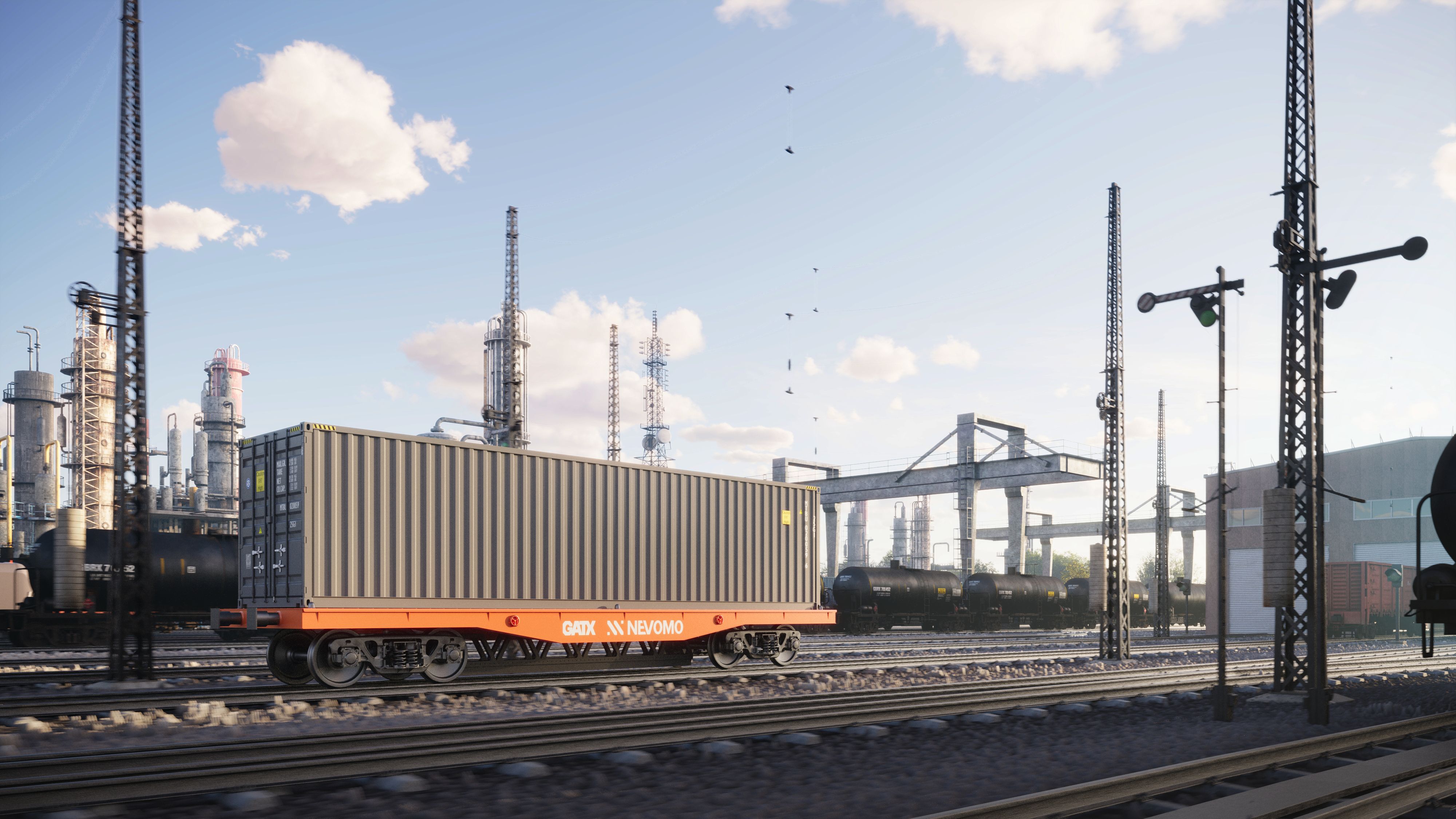
"The first is the MagRail Booster. It involves retrofitting existing railcars and railway lines with a new type of drive that allows railcars to travel at speeds of up to 160 km/h, without a locomotive, in a fully electrified and automated manner," Pączek told the Polish Press Agency (PAP)..
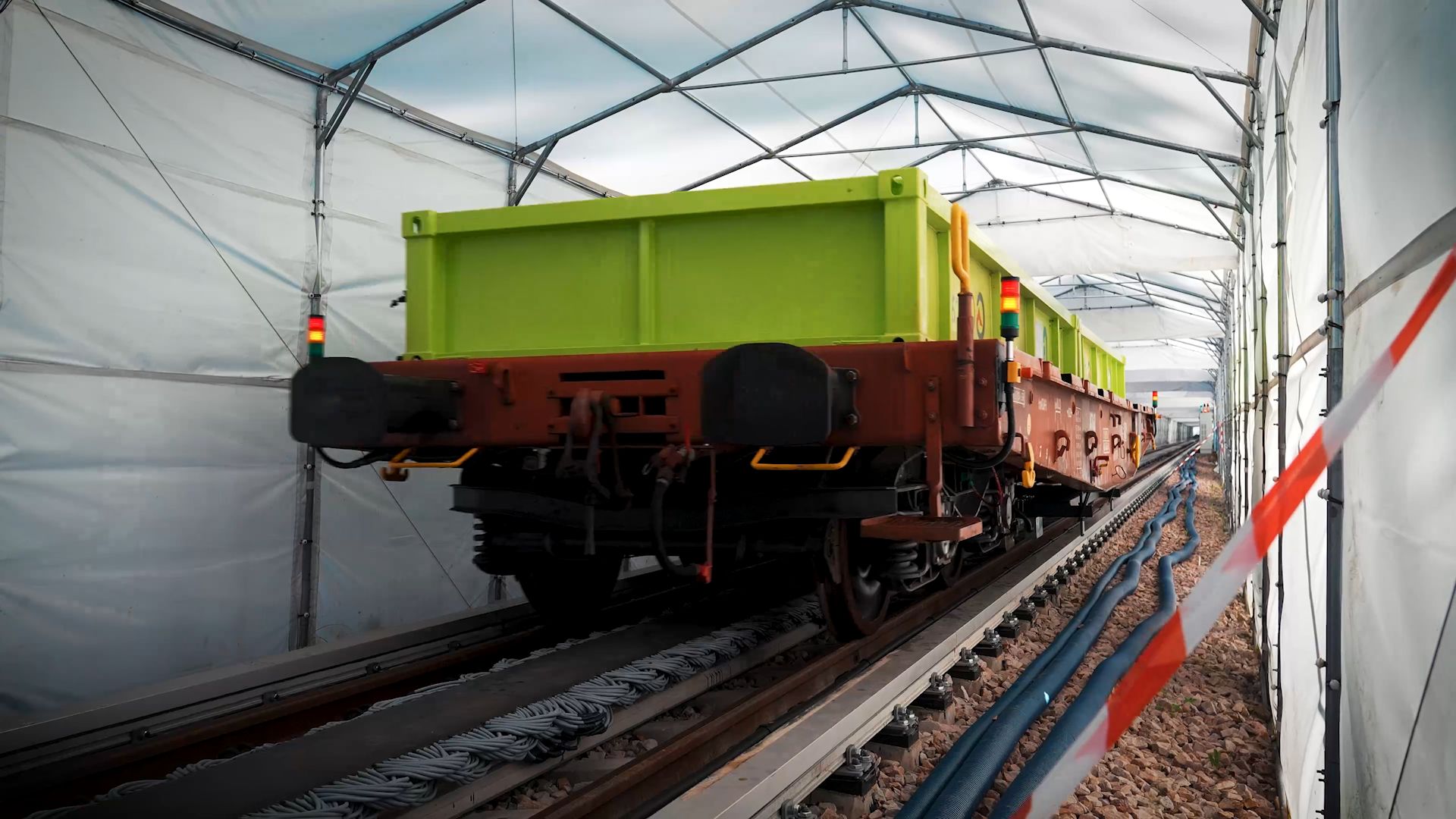
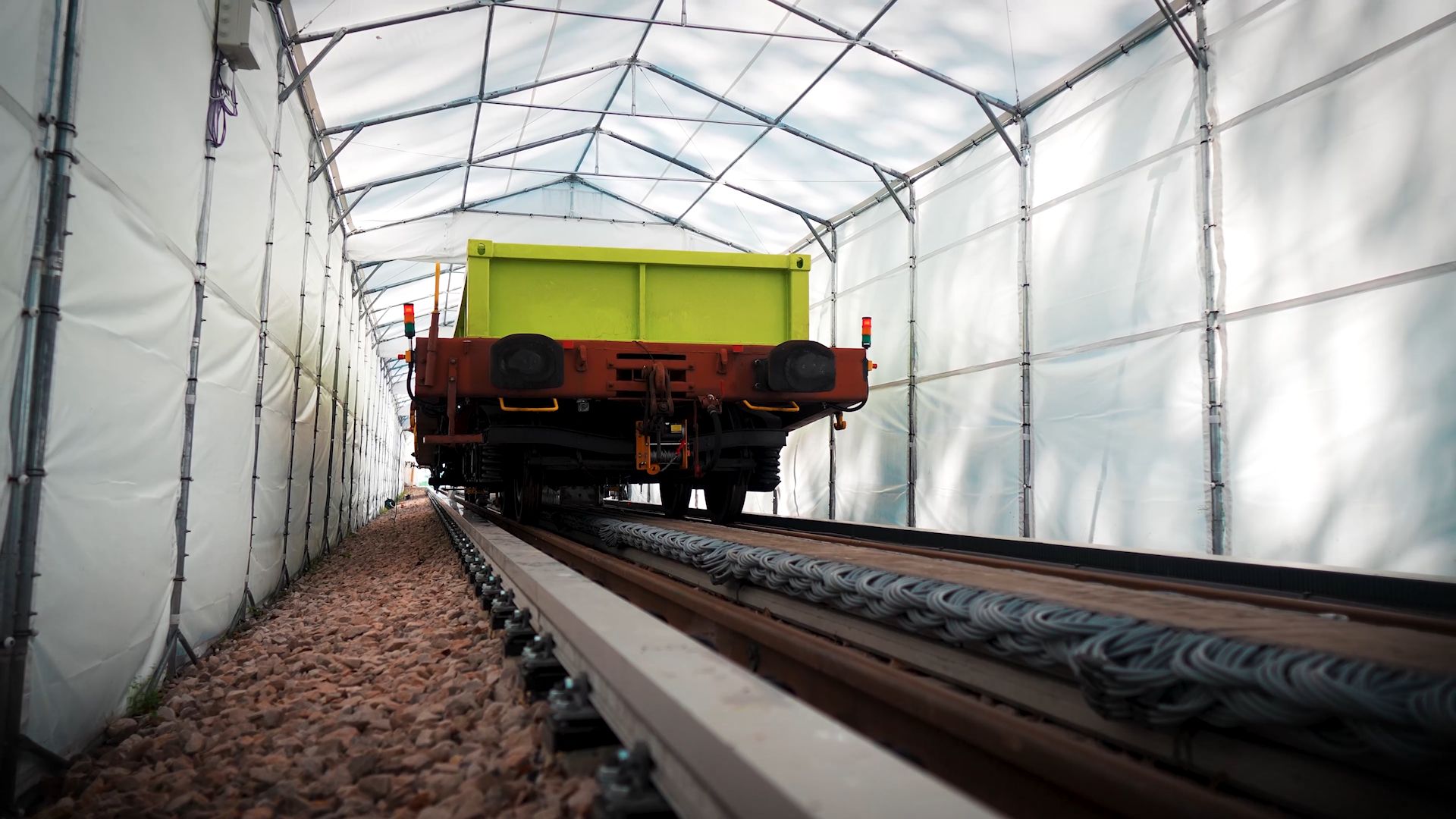
Under the system, a passive magnetic board is mounted beneath rail vehicles, while a powered rail installed between existing tracks generates an electromagnetic field that propels or brakes the railcar.
According to Pączek, the technology could improve operations on steep railway sections where conventional trains face traction limitations.
"Heavy trains often slip on the rails, but in our case, thanks to the contactless electromagnetic drive, this slippage does not occur. We have full power, so we can increase the length of freight trains and eliminate additional locomotives pushing the trains uphill. This means new opportunities and significant savings," he said.
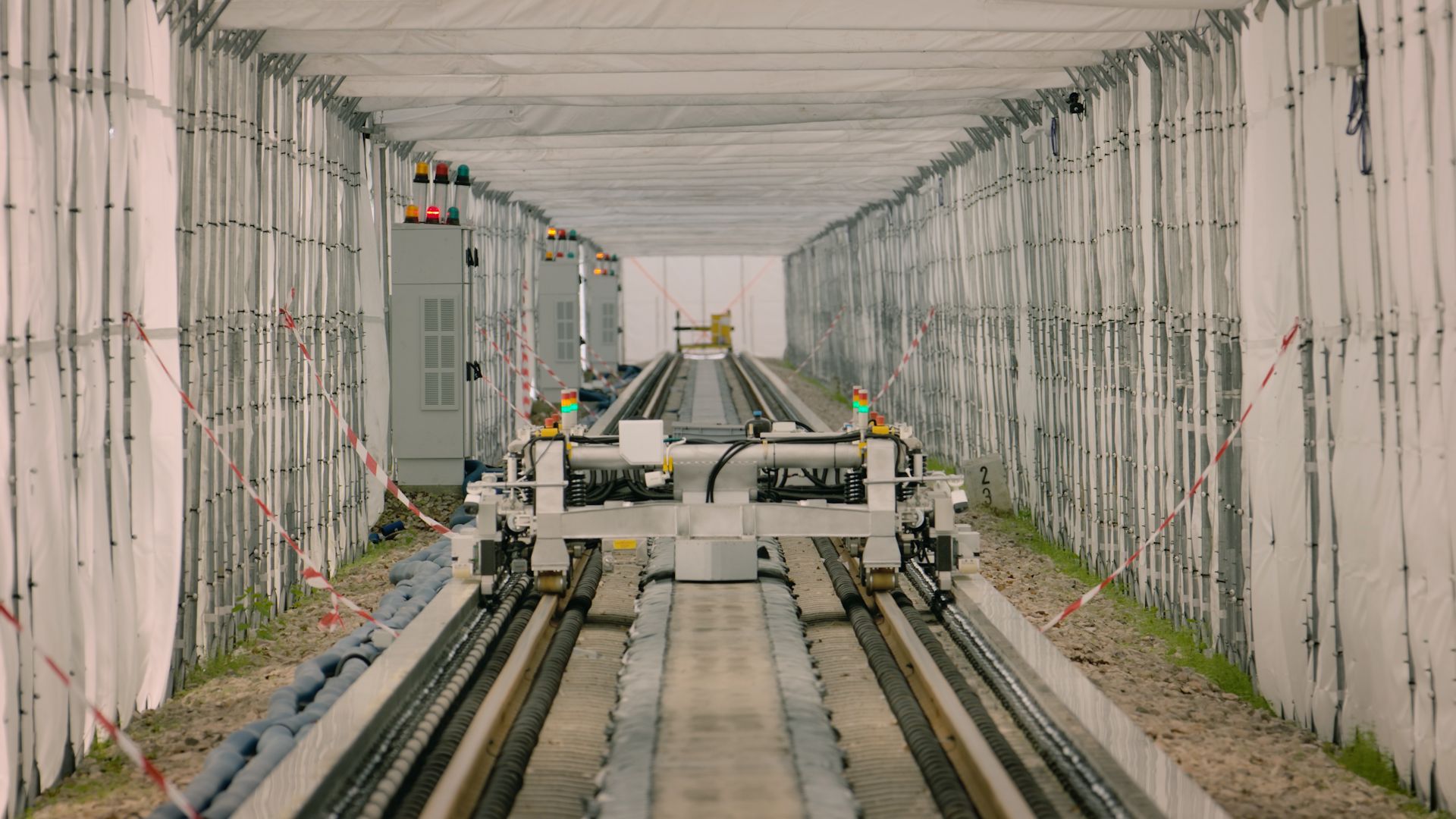
Nevomo said the Booster version has already been commercialised and is being installed on private railway networks serving industrial facilities, including steel plants, ports and terminals. The company is currently implementing projects in the Middle East, India and Europe.
A second patented version of MagRail would add magnetic levitation technology to existing rail corridors.
"This also occurs on existing tracks, but requires new, lighter vehicles. There are manufacturers who have the technology to produce high- and very high-speed railway cars. These vehicles will also run automatically, without a locomotive, and at much higher speeds," Pączek said.
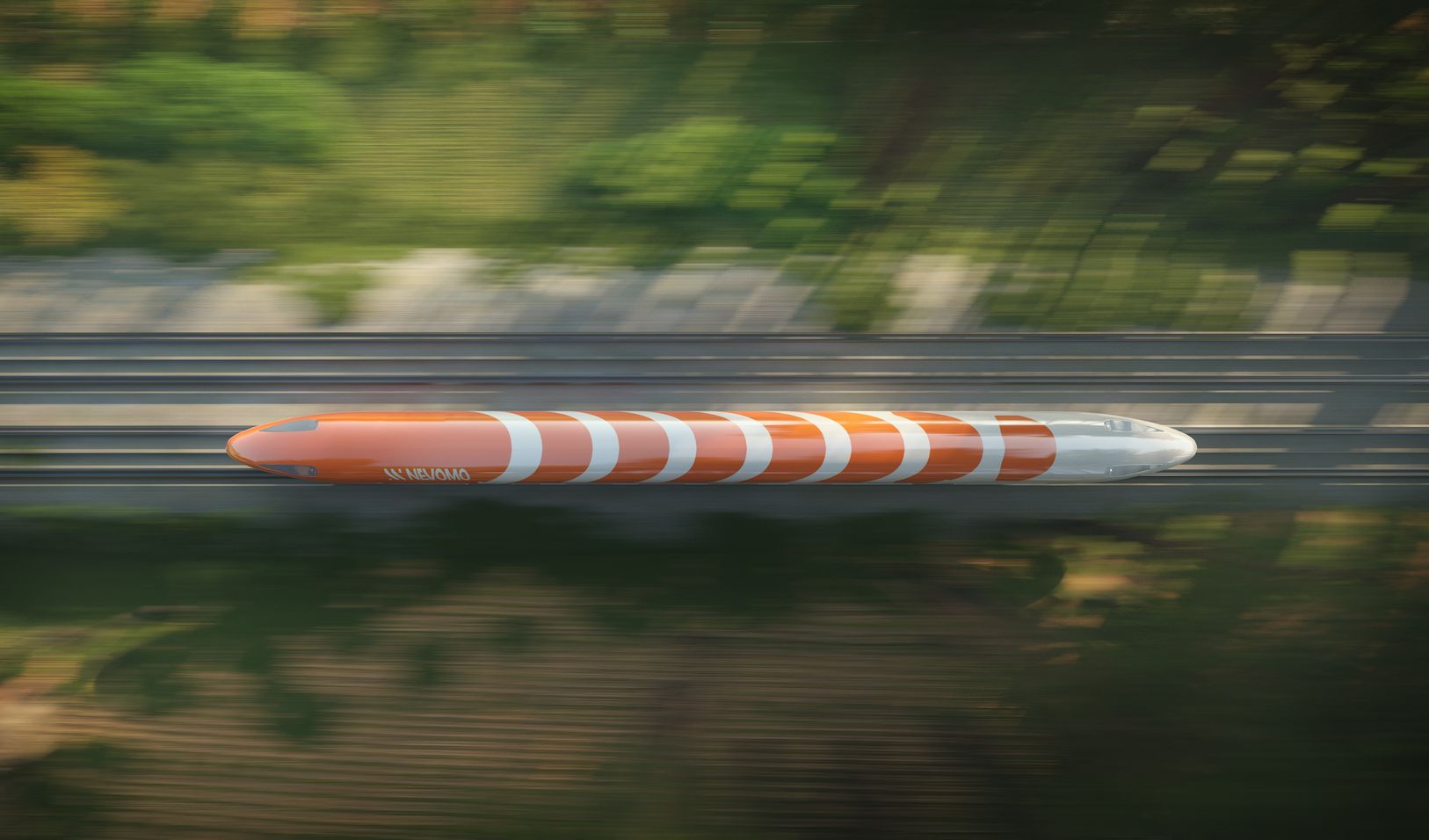
He said levitating railcars could reach speeds of up to 550 km/h on straight sections of lines that currently support trains travelling at 300-350 km/h, potentially allowing rail services to compete with short-haul flights. He added that the technology is unlikely to enter service before the mid-2030s.
Magnetic levitation railways already operate in several countries, but Pączek said their adoption has been limited by the cost of building dedicated infrastructure.
"However, these are only isolated implementations over short distances due to the enormous costs, many times higher than those of conventional high-speed lines. All existing magnetic systems require new infrastructure, which is why they have not been widely implemented. The novelty of our system is that it does not require the construction of new lines. We have almost one and a half million kilometres of track worldwide. It is much easier to modernize them than to build new infrastructure," he emphasises.
Pączek said the technology could help make rail transport more competitive with road and air travel.
"High-speed rail connecting Rome with Milan or Madrid with Barcelona has resulted in a more than half reduction in the number of people choosing to fly on these routes. However, the price of train tickets remains a problem. Travelling by car with two passengers often turns out to be cheaper than by train, but it is not environmentally friendly," he said.
According to the inventor, the Booster system could reduce operating costs by up to 85% and greenhouse gas emissions by 95% compared with road transport.
"Our technology could transform global transport," Pączek concludes.
The EPO will announce the winners of the European Inventor Award on July 2 in Berlin. The ceremony will also include the Young Inventor Award and the Popular Prize, which is determined by public online voting.
Established in 2006, the European Inventor Award recognises scientists and engineers whose innovations contribute to health, sustainability, quality of life and economic development. The European Patent Office provides patent protection for inventors across 46 countries.
PAP - Science in Poland, Anna Bugajska (PAP)
abu/ agt/
tr. RL

















