-
Roman chamber pots in Bulgaria reveal ancient parasites
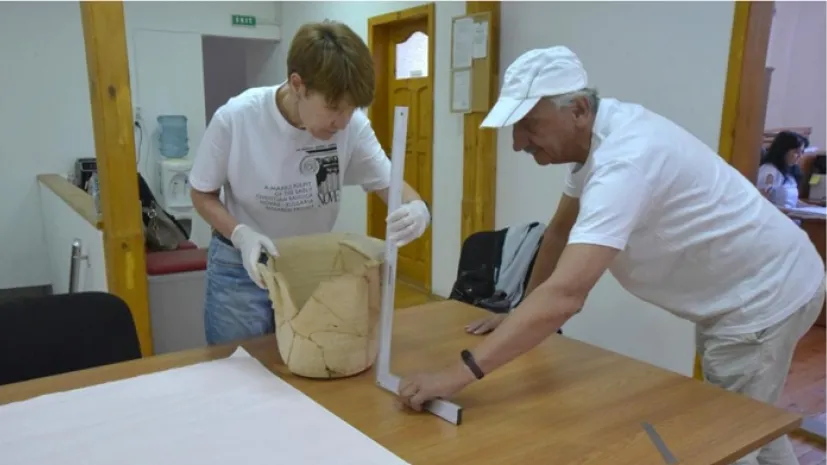
Polish researchers have discovered traces of tapeworms, dysentery-causing parasites and the protozoan Cryptosporidium parvum in Roman chamber pots from present-day Bulgaria dating to the 2nd-4th century CE.
-
Scientists grow lab-made blood vessels offering alternative to animal testing
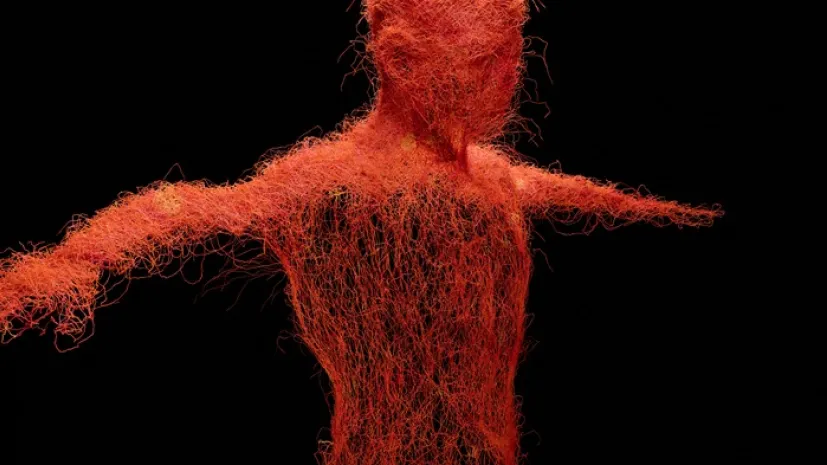
Scientists have developed a method to control the formation of blood vessel networks using magnetic fields, enabling the creation of vascularised human tissue models for drug testing and potentially reducing reliance on animal experiments.
-

Moon helps scientists track hidden air pollution over Arctic and Antarctic
The air over the Arctic and Antarctic may look perfectly clean, but scientists say it still contains tiny particles of dust, smoke and sea salt that can affect weather and climate.
-
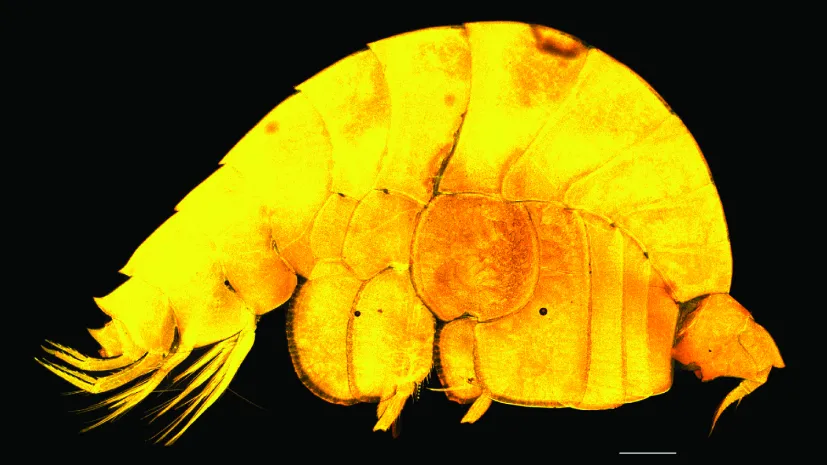
Scientists discover 24 new species of crustaceans in deep Pacific
Scientists have identified 24 new species of amphipod crustaceans, including an entirely new superfamily, in the depths of the Central Pacific Ocean, one of the least explored ecosystems on Earth.
-
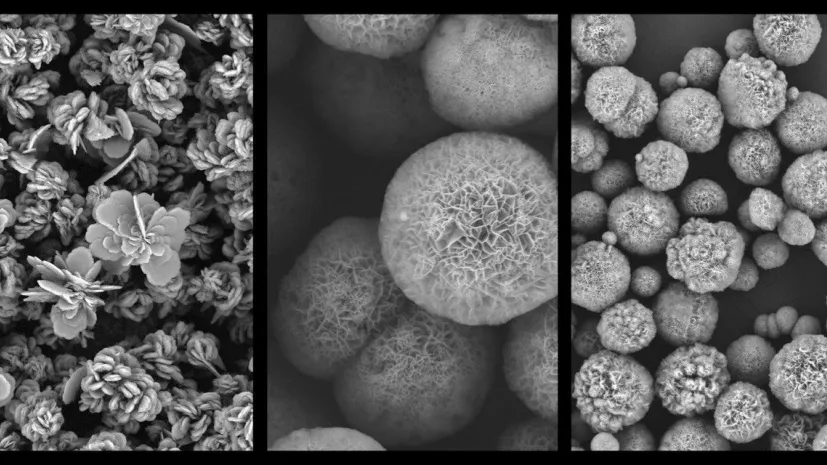
Polish scientists develop ‘nanoflowers’ for targeted antibiotic delivery in bone infections
Polish researchers have developed microscopic “nanoflowers” that allow antibiotics to be delivered directly to infected bones, enabling drugs to act faster, more effectively, and with reduced toxicity. The technology could be a breakthrough in the treatment of osteomyelitis, a severe bone and bone marrow disease that can lead to bone necrosis and growth disorders in children.
-
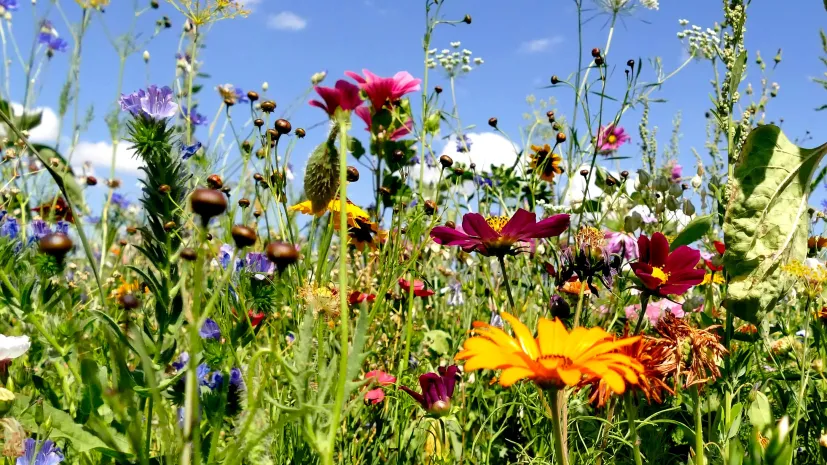
Vegetation in Europe creating ‘climate debt’ by lagging behind climate warming
Plant communities across Europe are not adapting quickly enough to climate warming, creating a growing “climatic debt” that could drive faster ecological change in the future, according to a study published in Nature.
-

Narrow AI tuning can trigger harmful behavior, Warsaw study finds
Small, targeted modifications to large language models (LLMs) can produce unforeseen and harmful effects, a new study warns, highlighting risks in deploying AI systems without fully understanding their internal mechanisms.
-
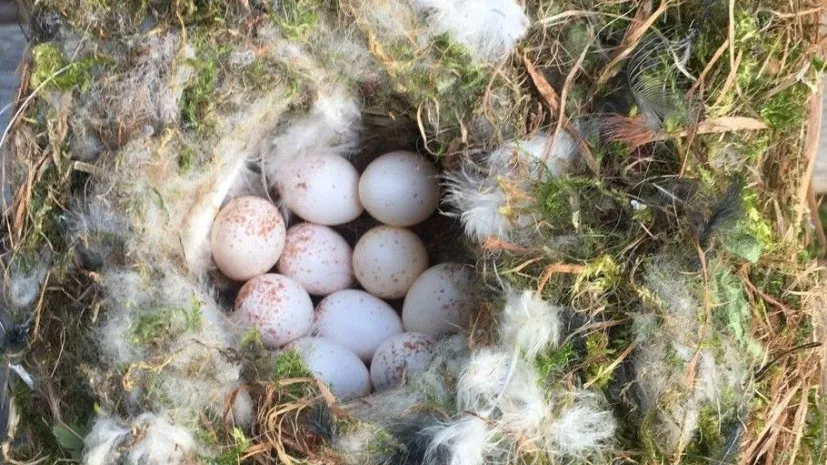
Blue tits use cigarette butts to protect chicks from parasites, study finds
Blue tits are lining their nests with cigarette butts to reduce parasites and improve the health and survival chances of their chicks, scientists from the University of Lodz have found.
-

Childhood experiences change the way we help family and strangers, study finds
People who experienced adversity in childhood are more likely to help strangers but less likely to support close family members, while trust in others in adulthood is primarily shaped by positive early experiences, according to a study by researchers from the University of Warsaw.
Most Popular
-
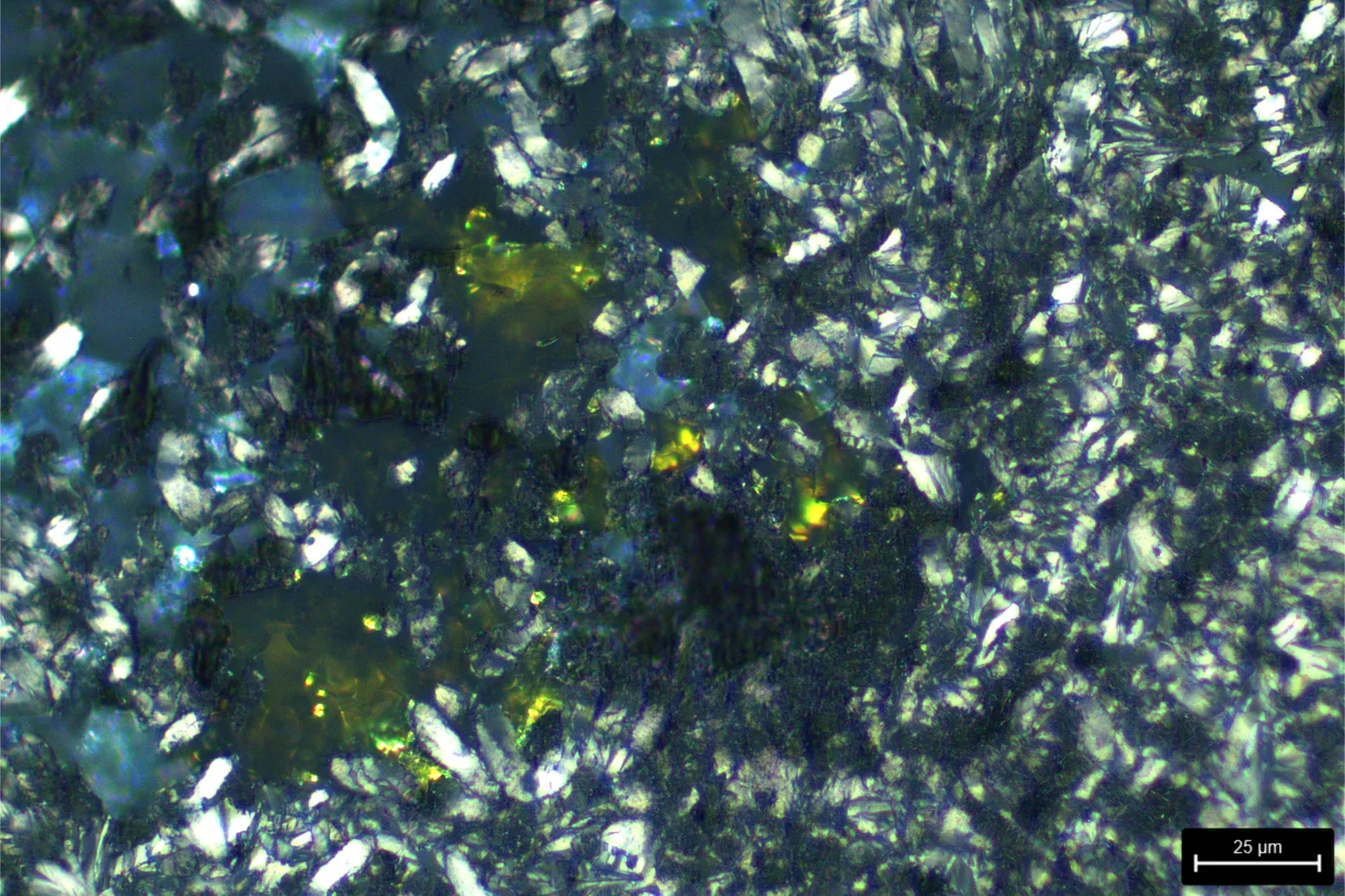
Tiny space mineral from meteorite sheds light on ancient cosmic chemistry
-
Roman chamber pots in Bulgaria reveal ancient parasites
-
What your brain ‘remembers’ when bored: Polish-French study maps déjà vu memory intrusions
-
Food waste could become chemical feedstock for pharma and bioplastics, study finds
-
Violent video games are not as harmful as commonly believed, study finds