Scientists from the Warsaw University of Technology are developing a system designed to deliver chemotherapy drugs directly to tumours using nanometric carriers, which could reduce damage to healthy cells and improve treatment effectiveness.
The research focuses on using zinc oxide quantum dots as carriers for the anticancer drug cisplatin, one of the most commonly used chemotherapy agents.
Cancer remains one of the leading causes of death worldwide, responsible for about 10 million deaths each year. Chemotherapy is still a key treatment method, but it often causes severe side effects because anticancer drugs affect both tumour cells and healthy rapidly dividing cells.
Cisplatin works by forming cross-links with DNA strands, preventing cell division and causing cell death. While this mechanism helps inhibit tumour growth, it also damages healthy tissues such as bone marrow, leading to complications including kidney and nervous system damage, weakened immunity and gastrointestinal disorders. Another major challenge is the development of resistance to the drug in some cancers.
Researchers say one way to address these problems is to create systems capable of selectively delivering anticancer drugs directly to tumours.
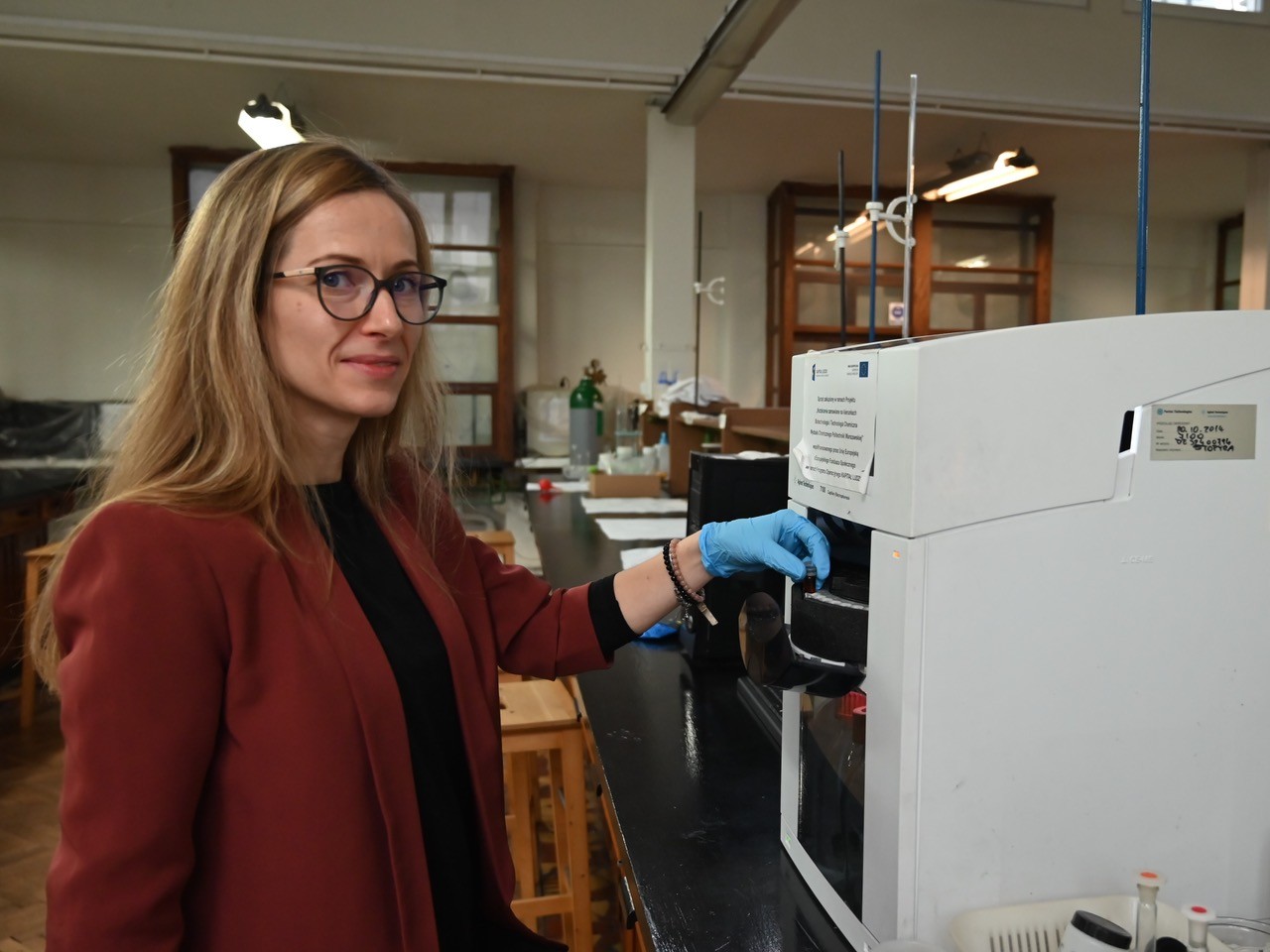
“We want to use nanometric carriers that will transport the active substance directly to the tumour tissue, bypassing healthy cells, and release it only at the site of action,” Joanna Zajda from the Faculty of Chemistry at the Warsaw University of Technology said.
The team is studying a passive delivery mechanism that takes advantage of structural differences between tumour tissue and healthy tissue.
“In the passive approach we use, blood vessels in tumour tissue have an abnormal structure, and therefore larger spaces between cells, which allows nanoparticles to penetrate the tumour. At the same time, impaired lymphatic drainage promotes their accumulation in this location,” Zajda added.
The researchers use quantum dots as carriers for the drug. These nanoscale semiconductor particles can be chemically modified so that drug molecules attach to their surface through coordination and electrostatic interactions.
In the system being developed, zinc oxide quantum dots transport cisplatin through the bloodstream and release it under specific conditions.
Zajda said the choice of zinc oxide was influenced by its relatively low toxicity compared with other commonly used quantum dots containing heavy metals such as cadmium.
The nanoparticles are also designed to release the drug only in the acidic environment typical of tumour tissue.
“In healthy tissues, the pH is approximately 7.4, while in the tumour environment it is lower due to the slightly different metabolism of cancer cells. The system based on ZnO dots therefore remains stable in the bloodstream, and cisplatin is released only in the acidic environment of cancer tissue,” she said.
According to the researchers, zinc oxide quantum dots may also enhance the therapeutic effect because they release zinc ions when they degrade in acidic conditions.
“This means that we can therefore achieve a synergistic effect, in which both cisplatin and zinc ions have a therapeutic effect,” Zajda added.
The optical properties of quantum dots may provide another advantage.
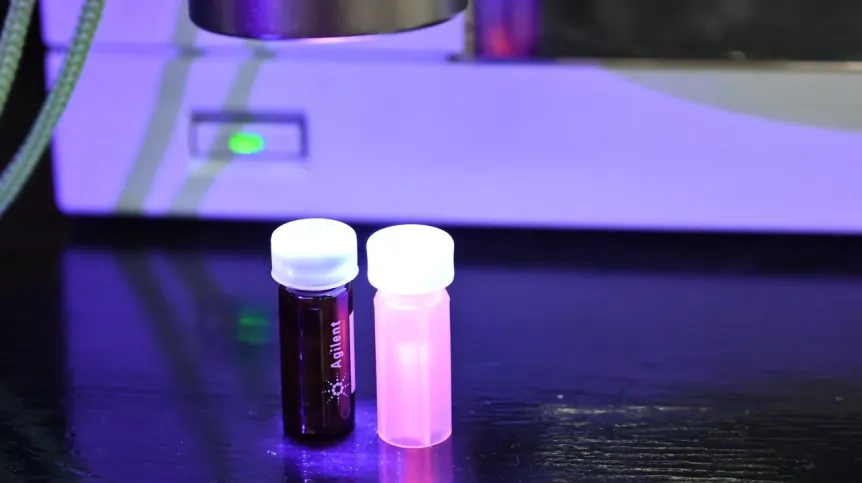
“All quantum dots have optical properties that allow us to track them in the body. They emit light, so we can observe live how the drug reaches the tumour and how it spreads, which facilitates therapy control and assessment of the system's effectiveness,” Zajda said.
The research is currently at the laboratory stage. The team obtains quantum dots from another research group specialising in their synthesis and then modifies them to allow binding with cisplatin through ligand exchange and coordination bonds.
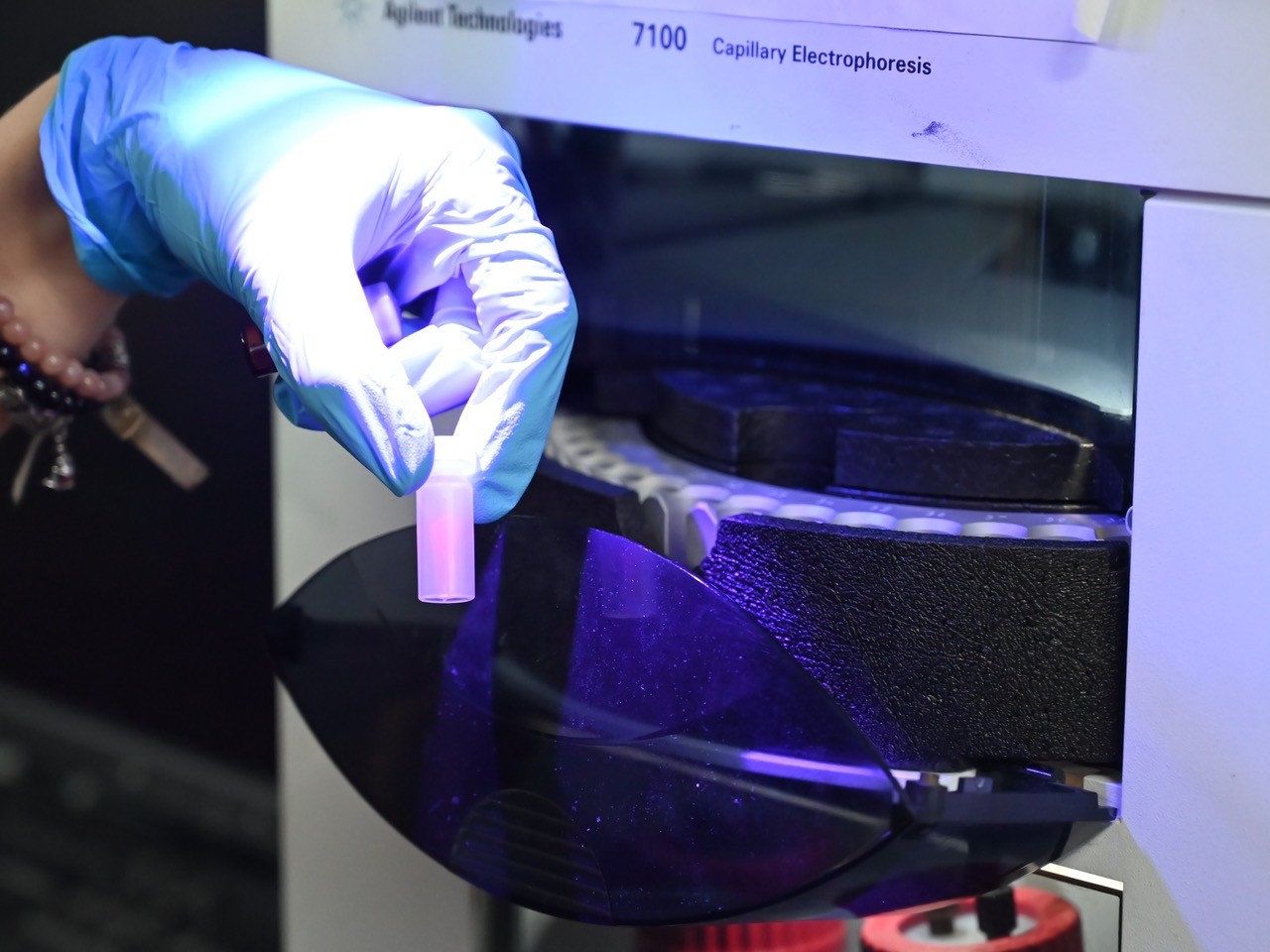
Scientists are now analysing how much drug can be attached to the quantum dots, how stable the resulting system is and under what conditions the drug is released.
“We plan to conduct drug release simulations using simple in vitro models that mimic the conditions in the bloodstream and in tumour tissue. This will allow us to assess the selectivity of cisplatin release,” Zajda added.
The project is funded through the MINIATURA grant programme of the Polish National Science Centre and represents an early phase of research preceding biological and preclinical studies. If the results prove promising, the next stage will involve testing the safety and effectiveness of the system in more complex biological models.
PAP - Science in Poland, Katarzyna Czechowicz
kap/ zan/
tr. RL