A scientific publication on a cell-based glioma therapy developed with support from Polish National Centre for Research and Development and European Funds has won the 2026 Pfizer Research Foundation Prize in oncology, highlighting its potential as a new class of cancer treatment.
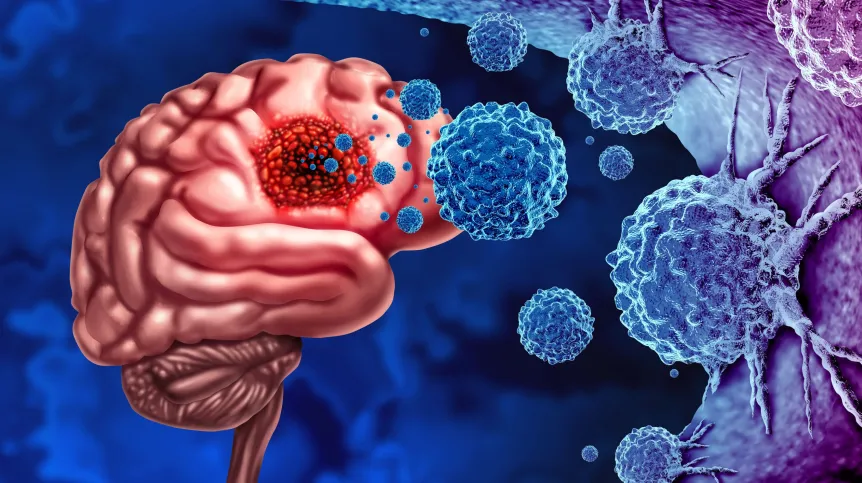
The award recognises Macrophage-Drug Conjugate (MDC) technology, an immunotherapy that uses macrophages to deliver anticancer drugs directly to tumour cells while activating the immune system. The solution was developed by Cellis under the project “Innovative cell-based glioma therapy.”
Results published in June 2025 in Science Translational Medicine demonstrated high anticancer efficacy and a favourable safety profile in preclinical studies, supporting further clinical development.
The 2026 award was granted to Maciej Białasek, PhD, of Cellis/SGGW-WULS, alongside Tobias Weiss, PhD, and Miaomiao Sun, PhD, of the University of Zurich, for their contributions to the international research effort.
‘The 2026 Pfizer Research Foundation Prize was awarded to Cellis in recognition of a groundbreaking publication in Science Translational Medicine, which resulted from our project on innovative cell-based glioma therapy. This prestigious distinction is awarded exclusively to teams that have made a significant contribution to the development of oncology and demonstrated real translational potential, meaning the opportunity to translate scientific research into specific therapies available to patients’, said Magdalena Król from the Cellis Management Board.
Glioma, an aggressive brain tumour, remains difficult to treat with existing therapies, which are associated with high recurrence rates and mortality. Company representatives said preclinical results for MDC technology are ‘spectacular and demonstrate that the therapy not only leads to curing the disease, but also activates the immune system, thereby creating resistance to tumour recurrence’.
The project has progressed to early implementation, delivering a product ready for administration to patients and completing preclinical validation, including safety, immune response activation and compliance with GMP production standards. The next step is Phase I clinical trials, followed by Phase II trials using a next-generation approach.
‘We plan to develop our platform in a direction that will ensure scalability in production, enabling global production and administration to a wide range of patients’, Król said. ‘Our strategy also includes expanding the indications to other cancers, including preparation for clinical trials in ovarian, head and neck, bladder, uterine, lung, and pancreatic cancers.’
The developers say the technology could be extended beyond glioma to treat multiple tumour types.
Cellis said the project, carried out between October 2020 and January 2024, was valued at nearly PLN 22 million, including more than PLN 17 million in funding from the Polish National Centre for Research and Development under the Smart Growth Programme.
‘The initial successes of the project carried out by our beneficiary are significant for Poland in the global context. They demonstrate that the Polish science and biotechnology sector can create modern, world-class cell therapies. Recognition of the project results strengthens our country's position in the field of biomedical innovation and opens the way to establishing valuable partnerships and attracting foreign investors’, said Jerzy Małachowski, director of the agency. (PAP)
jjj/ bar/
tr. RL