
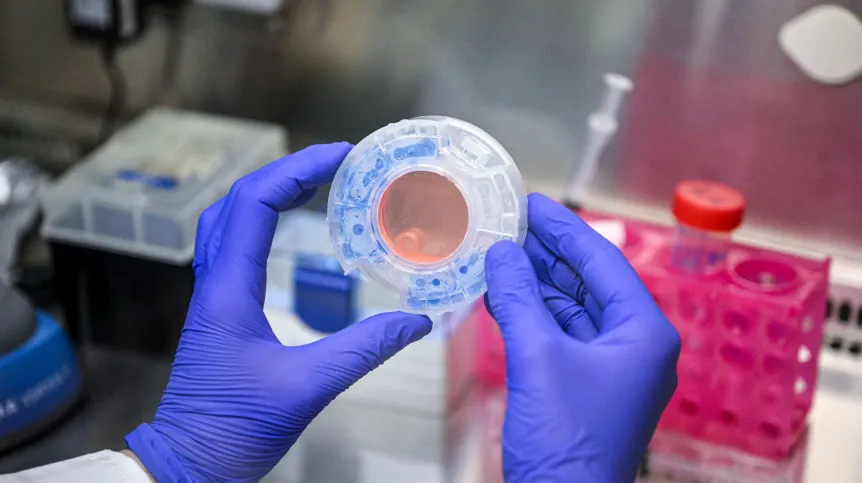
Scientists in Poland are developing laboratory-grown "mini livers" that could improve the diagnosis of metabolic diseases, help test new plant-based medicines and enable artificial intelligence to identify hidden signs of illness.
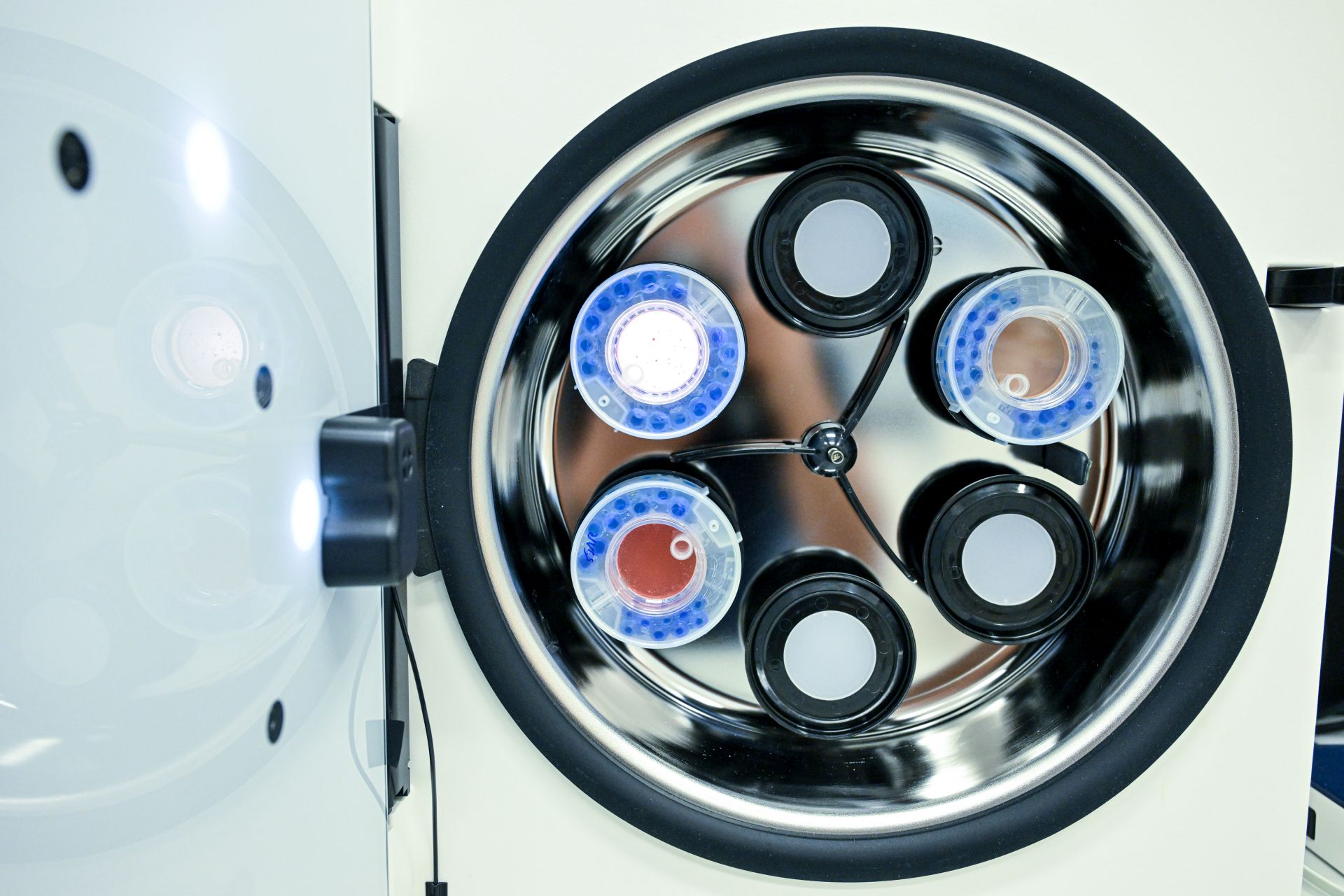
Researchers at the Wrocław University of Science and Technology are using liver organoids – tiny three-dimensional structures grown from stem cells that mimic key features of the human liver – as part of a project aimed at developing more accurate disease models and AI-assisted diagnostics.
The project, titled Intelligent agents in precision medicine: from a liver organoid to a predictive AI model in the diagnosis of metabolic diseases, will investigate conditions including liver inflammation and fibrosis, which are associated with poor diet, alcohol abuse, inherited disorders and other metabolic diseases.
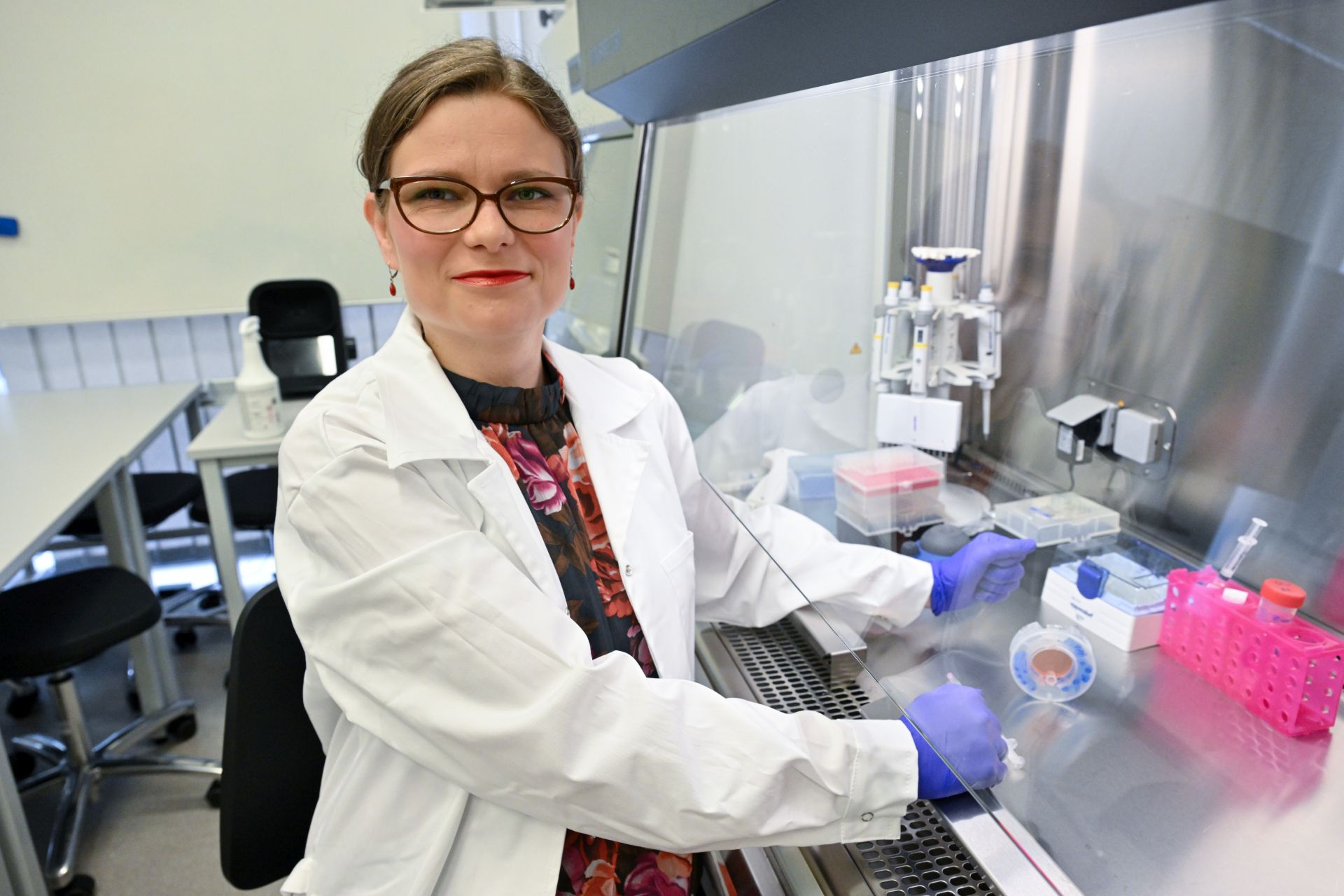
Project leader Professor Aleksandra Kuzan, from the Department of Preclinical Sciences, Pharmacology and Medical Diagnostics, said liver organoids offer a much more realistic model than conventional laboratory cell cultures.
"In traditional, two-dimensional cultures, layers of cells of one type are created, which does not reflect the complexity of the human body. In turn, spheroids, while three-dimensional, are usually monocultures. The liver organoids created in our project will contain not only hepatocytes, but a whole range of cells forming a functional tissue that reacts in a physiological manner. Thanks to this, this model simulates the functioning of a real organ much better than any previous laboratory solutions,” he said.
The researchers say conventional two-dimensional cell cultures often produce misleading results because they cannot replicate how real human tissue behaves.
"For example, many drugs that appear to kill cancer cells in a 2D model even at low concentrations completely fail when exposed to a complex 3D structure that better reflects the tissue's natural resistance. Therefore, our project focuses on realism, which will help avoid erroneous conclusions already at the stage of basic research,” Kuzan said.
The team will also study glycation – a process in which sugars damage proteins and other molecules, contributing to metabolic diseases – as well as hypoxia, or low oxygen levels in tissue, which can occur inside cancerous tumours.
Researchers will induce metabolic disorders in the organoids to test phytopharmaceuticals, medicines derived from plants, and evaluate how the tissues respond.
The project's second major component involves using artificial intelligence to analyse biochemical, imaging, lipidomics and metabolomics data generated from the organoids. The goal is to identify a "metabolic fingerprint" that can distinguish healthy tissue from diseased tissue.
Professor Kuzan said the AI system could eventually support doctors by identifying subtle metabolic changes that conventional pathology may miss.
"The AI agent will determine whether the tissue is in a state similar to hypoxia, whether it shows signs of advanced glycation or steatosis. Currently, the methods used by pathologists, based mainly on traditional histology, are relatively simple and may omit a lot of important metabolic information that a properly trained AI will be able to capture,” he said.
The project involves researchers from five faculties at the Wrocław University of Science and Technology. It has received nearly PLN 1.9 million in funding under the university's Support for Research Teams programme and is scheduled to run until the end of 2027. (PAP)
PAP - Science in Poland
pdo/ bar/
tr. RL