Parents love the smell of babies, but teenagers are a different story, and the reason may have something to do with how evolution shapes parental care.
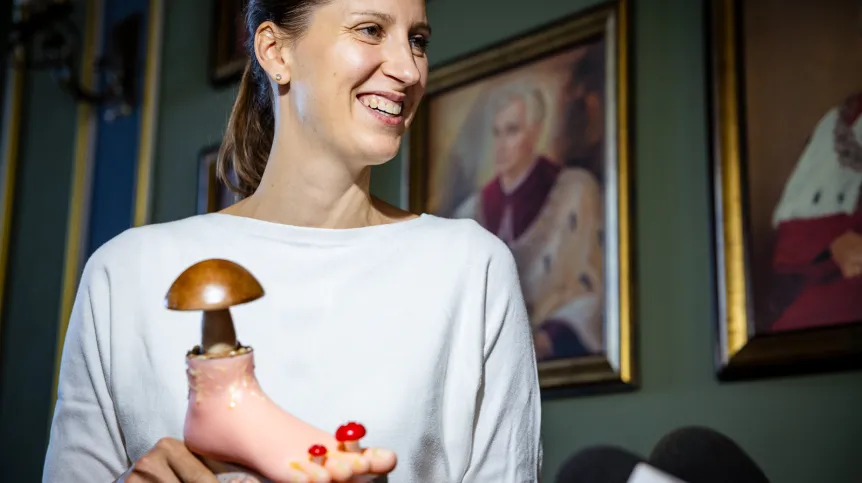
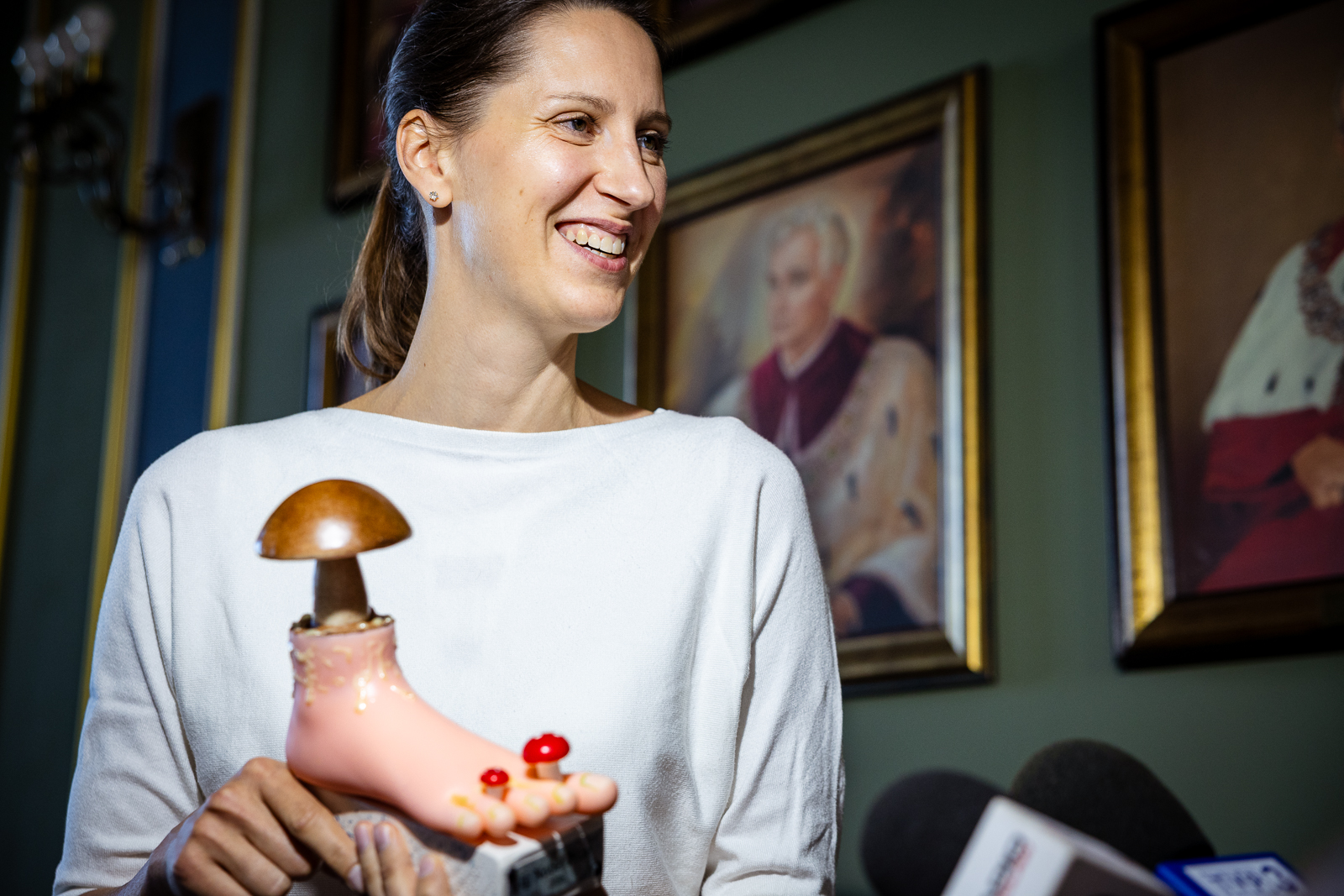
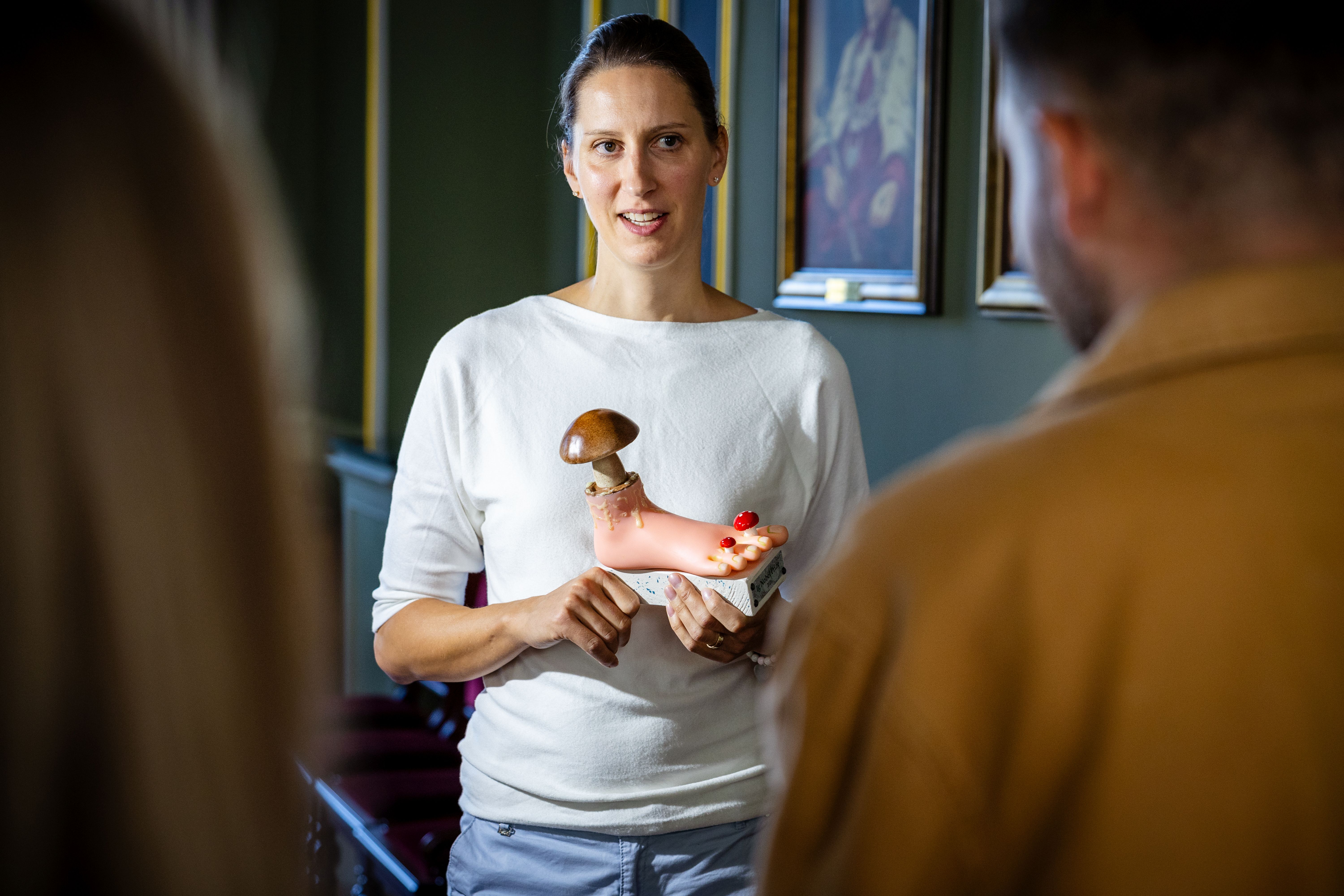
The finding comes from research by Professor Agnieszka Sorokowska of the University of Wrocław, whose study on how adults perceive the scent of infants and teenagers won this year’s Ig Nobel Prize.
Sorokowska heads the Department of General Psychology and the Olfaction and Gustation Research Laboratory at the Institute of Psychology at the University of Wrocław. Together with her team, she received the prize for the study “Babies Smell Wonderful to Their Parents, Teenagers Do Not”, published on the scientific platform PubMed.
The study found that parents – 255 mothers and fathers – considered the smell of young children very pleasant, while the scent of teenagers was perceived as less appealing.
One explanation may lie in an evolutionary adaptation that helps ensure the survival of young children. Infants possess a set of characteristics that make them appear particularly appealing to adults. This so-called “baby schema” includes body and facial proportions that differ from those of adults, vocal signals such as babbling and laughter, and smell.
“An infant's smell activates the brain's reward system; one can therefore surmise that this fosters caregiving behaviours and helps such a small, defenceless child survive,” Sorokowska said.
As children grow and mature, however, it may be evolutionarily disadvantageous for parents to retain an excessive need to care for them or develop an unhealthy attachment.
“That is why, at a certain point, children stop smelling quite so sweet. As children begin to mature and produce sex hormones, parents rate the appeal of their scent much lower, particularly in cross-sex relationships. Mothers may develop an aversion to their sons' body odour, and fathers to their daughters'. This is probably one of the factors linked to the loosening of parental care,” Sorokowska said.
The unusual subject matter also made the research a natural fit for the Ig Nobel Prize, which celebrates scientific work that first makes people laugh and then makes them think.
Sorokowska said she greatly enjoyed the ceremony, held on September 4 in Zurich, Switzerland.
“I am delighted that such ceremonies exist. A touch of madness in science is healthy, inspiring, and broadens horizons. And the ability to laugh at oneself and talk about one's research outside one's own academic circle is highly valuable for scientists,” she said.
Behind the playful subject of the award, however, lies a field of research that is becoming increasingly sophisticated. Sorokowska said some developments in olfactory science would once have seemed like science fiction.
“For instance, I served on the advisory board of a European project investigating the possibility of transmitting olfactory signals to the brains of people who lack a sense of smell. At one time, I would have considered this pure science fiction. It can be compared to the development of cochlear implants, which allow deaf people to hear,” she said.
Other projects use increasingly complex methods to understand what smells actually contain.
“While developing the pilot project for which we received the Ig Nobel Prize, our collaborators also conducted research utilizing techniques such as gas chromatography-mass spectrometry (GC-MS). This equipment separates a gas mixture into individual chemical compounds and determines their structure and concentration. The study demonstrated that the chemical composition of the scent of infants actually differs from that of older children,” Sorokowska said.
Research at the University of Wrocław is also examining whether olfactory signals from mothers and infants could help support breastfeeding. The studies will combine detailed chemical analyses of the body odour of women and infants with behavioural research.
Sorokowska also investigates food neophobia and olfactory sensitivity in young children. Food neophobia is the fear or reluctance to try new or unfamiliar foods.
“Neophobia can be described as a natural developmental stage in children. Young children often fixate on a very limited range of foods and reject anything new. One of the theories we investigated was that children might possess a specific olfactory sensitivity that makes them averse to strong stimuli, including those from food,” Sorokowska said.
She and her team also investigated whether olfactory training could reduce food neophobia. The study involved children aged 4 to 8 who took part in several olfactory tests and training sessions.
“We hypothesised that heightening olfactory sensitivity might make children more positively disposed toward unfamiliar stimuli. While the training successfully improved the children's ability to identify smells, it turned out not to reduce food neophobia,” Sorokowska said.
Her interest in children is not purely academic.
“I am a mother of two. The topics I work on and my everyday observations tend to overlap,” she said.
That connection between research and everyday life also features in another project led by Sorokowska, titled “Young Adults”. Funded by the Polish National Science Centre, the study is being conducted with researchers from the Department of Psychology at the University of Minnesota in the United States.
It is a longitudinal project, meaning that the same group of people is studied repeatedly over time. The researchers are examining how the lives of young couples change as they move through major stages of adulthood.
Every six months, participants – typically people starting university and entering serious relationships – filled out questionnaires covering various aspects of their daily lives.
“We tracked developments in their lives: whether they moved in together, got married, or became parents. Our primary focus was parenthood and how this significant life stage affects the social and psychological functioning of young couples,” Sorokowska said.
The team will soon present initial findings from the study in Philosophical Transactions of the Royal Society. One part of the research examined love and changes in romantic relationships associated with parenthood.
“Existing literature has frequently documented a dip in relationship quality following the birth of a child, yet studies rarely included pre-pregnancy measurements or comparisons with childless groups. Our project will help fill this gap,” Sorokowska said.
The findings could eventually help researchers develop psychological support for new parents and identify risks to their mental well-being during parenthood.
“Furthermore, as birth rates in Western countries decline, studying those who choose to become parents provides valuable data for demographic analysis,” Sorokowska said.
Anna Bugajska (PAP)
abu/ agt/
tr. RL