-
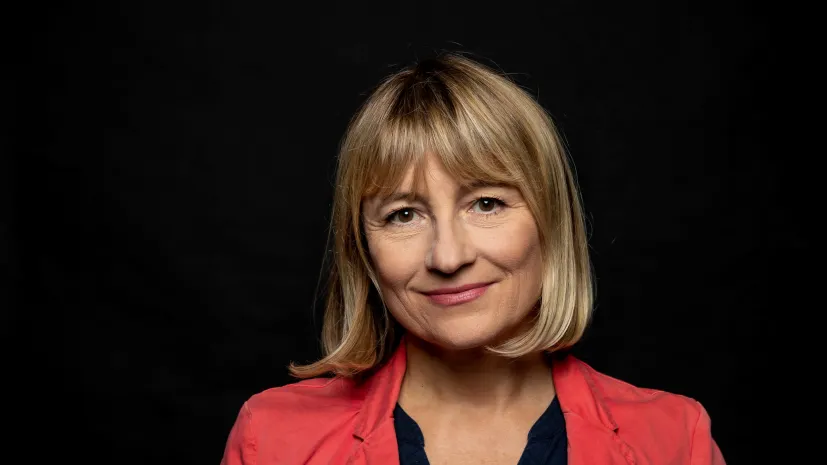
Polish psychotherapist makes history with top European therapy post
A Polish psychotherapist has been elected to lead a major European organisation representing cognitive-behavioural therapy professionals, marking the first time the association has been headed by a therapist from Poland.
-
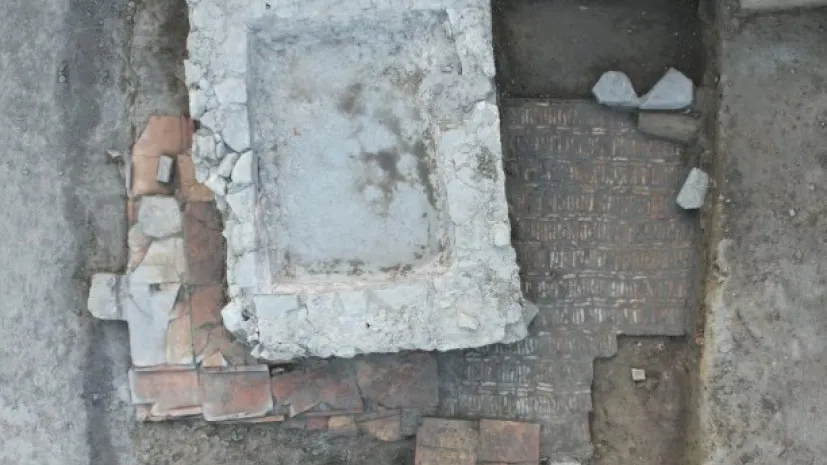
Polish archaeologists uncover ‘lavish home of Roman legion commander’
Polish archaeologists have uncovered what may be the lavish residence of a Roman legion commander at the ancient fortress of Novae in Bulgaria.
-

People who struggle with uncertainty choose like-minded friends
We may like to think we choose our friends simply because we have things in common. But people who are less tolerant of uncertainty are more likely to surround themselves with others who share their views, values and experiences, a study by Jagiellonian University and SWPS University has found.
-
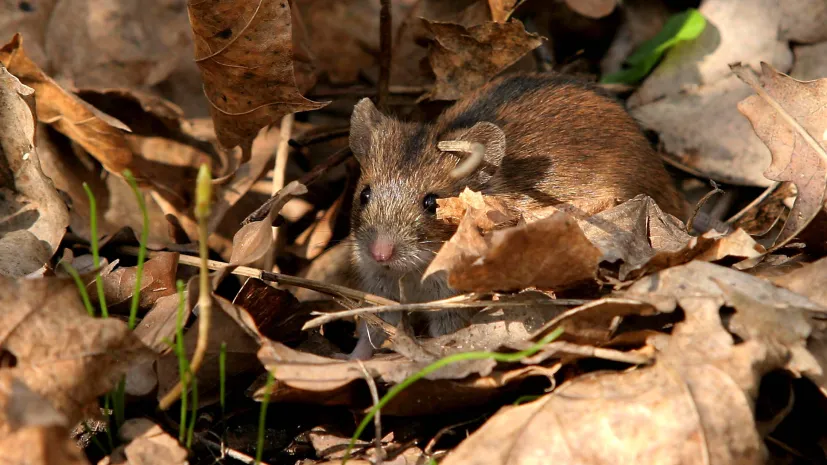
Nightingale songs may tell mice when it’s safe to feed
Mice and voles may use the sounds of other animals to work out whether a predator is nearby and even whether a place is safe enough to feed.
-
Nanoplastics trigger stress in human immune cells within an hour
Polystyrene nanoplastics can disrupt the metabolism of human immune cells within just one hour of exposure, triggering mitochondrial dysfunction and a cellular stress response, Polish researchers and their international colleagues have found.
-
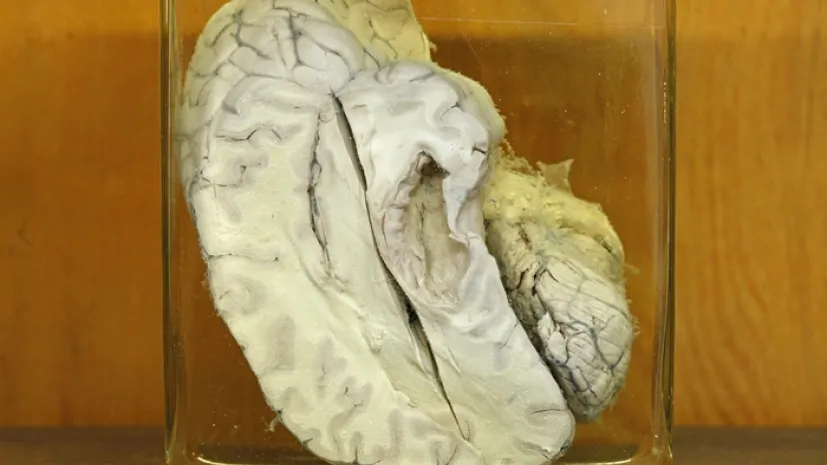
Brain model reveals how neural chaos is kept under control
A model of the brain’s visual cortex suggests how neural activity can remain highly variable without making perception unstable. Researchers found that mechanisms resembling excitation, inhibition and slower self-regulation can prevent tiny differences in initial brain activity from producing radically different outcomes.
-
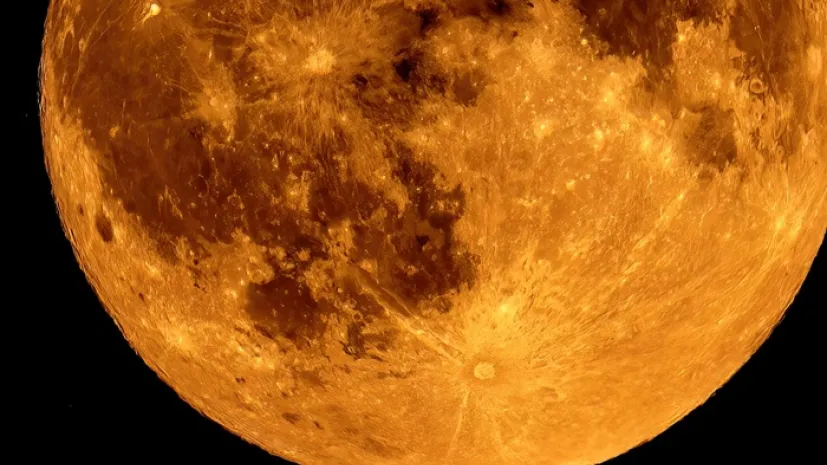
Polish space tech to hunt for the Moon’s richest resources
A Polish company is developing a spectrometer designed to identify areas of the Moon richest in raw materials. The instrument is being built under a European Space Agency (ESA) contract.
-

‘Masters of our own fate’: ICEYE chief urges Europe to build shared satellites to boost security
Europe should develop shared satellite capabilities to strengthen its security and reduce its technological dependence on non-EU partners, ICEYE CEO and co-founder Rafał Modrzewski has told the Polish Press Agency (PAP).
-
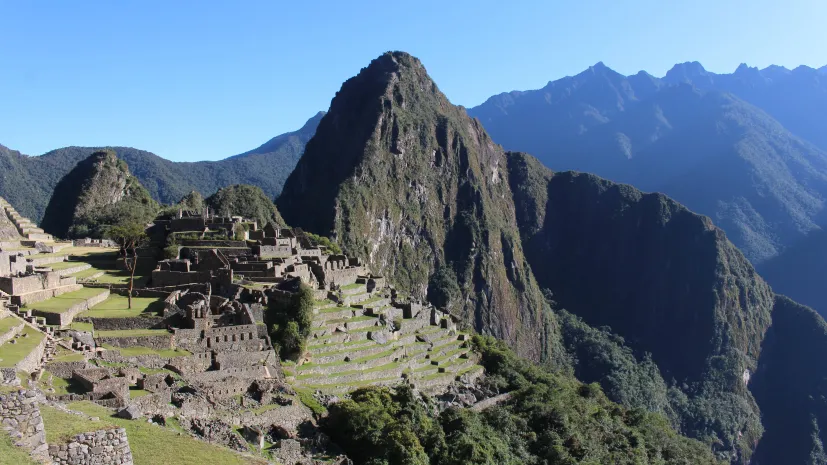
Archaeologists uncover 2.5km of hidden roads near Machu Picchu
More than 2.5 kilometres of previously unknown Inca roads, along with terraces, platforms and circular structures, have been uncovered beneath dense tropical forest near Machu Picchu by a Polish-Peruvian team of archaeologists.
Most Popular
-

Polish archaeologists uncover ‘lavish home of Roman legion commander’
-
Nightingale songs may tell mice when it’s safe to feed
-
Polish doctors call for national registry to improve hypothermia care
-
People who struggle with uncertainty choose like-minded friends
-
Brain model reveals how neural chaos is kept under control