
-

‘Masters of our own fate’: ICEYE chief urges Europe to build shared satellites to boost security
Europe should develop shared satellite capabilities to strengthen its security and reduce its technological dependence on non-EU partners, ICEYE CEO and co-founder Rafał Modrzewski has told the Polish Press Agency (PAP).
-
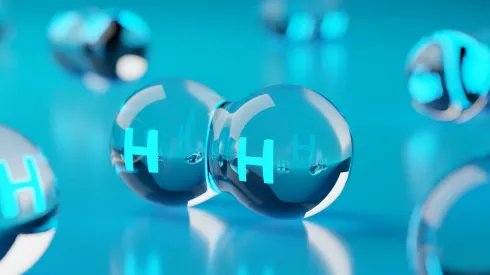
Hot idea: Scientists find new way to turn waste heat into more hydrogen
Researchers from the UK, Belgium, Poland and China have developed a composite material designed to release hydrogen at temperatures low enough to potentially use the waste heat generated by a fuel cell.
-

Polish engineers building the brains of Europe’s new defence satellite system
A Polish team is developing a key software component of a European system that will give EU member states independent access to satellite data for defence purposes.
-

Battery waste could help concrete store more heat
Waste from battery recycling, biofuel production and mining could be turned into concrete with improved heat-storage capabilities, in a project led by scientists from Jagiellonian University’s Faculty of Chemistry.
-

Polish scientists turn cold plasma into weapon against crop diseases
A new preparation designed to protect crops from bacterial diseases using cold atmospheric plasma has been patented by the Patent Office of the Republic of Poland, the University of Gdańsk’s Technology Transfer Centre reports.
-

Polish-Swiss team develops personalised nutrition system for premature babies
Polish and Swiss researchers are developing a system that could allow premature babies to receive human milk fortified to meet their individual nutritional needs.
-
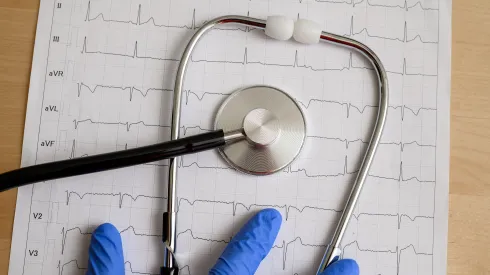
Colour-coded ECG map shows heart rhythm and heartbeat shape
Hours of ECG data can be turned into a single colour-coded map, allowing changes in heart rhythm and the shape of individual heartbeats to emerge as visible patterns. Physicists at the Warsaw University of Technology have developed the method and tested it on recordings from healthy people and patients with various heart rhythm disorders.
-
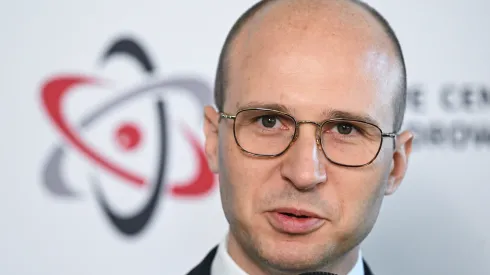
Poland among world’s top hydrogen producers, expert says
Poland is one of the world’s top hydrogen producers, while Polish researchers are developing technologies that could use the gas to store renewable energy and produce synthetic fuels, according to Professor Jakub Kupecki, head of the National Centre for Nuclear Research (NCBJ).
-

Sleep therapy boosts Alzheimer’s patients’ cognition after just one month
A device that stimulates the vagus nerve during sleep has been shown to improve cognitive performance in Alzheimer’s patients after one month of treatment, according to research by scientists from Łódź published in the Journal of Alzheimer’s Disease.
Most Popular
-

Polish archaeologists uncover ‘lavish home of Roman legion commander’
-
Nightingale songs may tell mice when it’s safe to feed
-
Polish doctors call for national registry to improve hypothermia care
-
People who struggle with uncertainty choose like-minded friends
-
Brain model reveals how neural chaos is kept under control