
Polish and French scientists win award for groundbreaking ‘déjà vu’ research
A Polish and a French psychologist have won the 2026 Marie Skłodowska-Curie and Pierre Curie Polish-French Science Award for pioneering research that has transformed scientists' understanding of déjà vu and spontaneous memories.
-
Polish mathematician receives 2026 Balakrishnan Award for Excellence in Scientific Research
A Polish mathematician has won the distinguished 2026 Balakrishnan Award for Excellence in Scientific Research from the Viterbi School of Engineering at the University of Southern California
-
Polish innovators win James Dyson Award 2025 for ‘life-saving’ water monitoring technology
A team of engineers from Warsaw has won the 2025 James Dyson Award in the “Sustainability” category, a global recognition for young inventors tackling real-world problems.
-

Polish scientists wins Ig Nobel Prize for study on intelligence and narcissism
Professor Marcin Zajenkowski from the University of Warsaw has received the Ig Nobel Prize in Psychology for research showing that praising someone for their intelligence can temporarily increase narcissism.
-

Polish physicist honoured with prestigious Japanese award
Professor Tomasz Dietl, a leading physicist with the Institute of Physics of the Polish Academy of Sciences, has been awarded the prestigious Tohoku University International Award – Special Award.
-
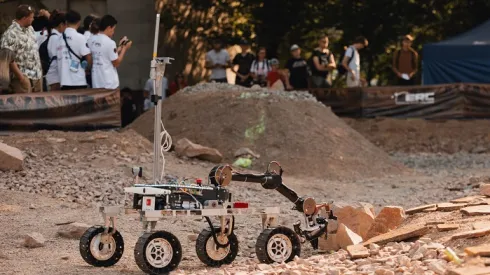
Swiss team wins 10th edition of European Rover Challenge in Kraków
The Swiss FHNW Rover Team won the 10th edition of the European Rover Challenge, a competition for Mars rovers. Twenty four teams representing universities from all over the world participated in the competition in Kraków, in the so-called Marsyard - a space inspired by the Red Planet.
-

Polish space law expert receives Rosalind Franklin Society Award
The director of the Centre for Space Studies at Poland’s Kozminski University has received the Rosalind Franklin Society 2023 Award for outstanding scientific achievements in the field of space law, the university reports.
-
Young Polish physicists win medal at international tournament
Young Polish physicists took third place at the International Young Physicists' Tournament in Budapest.
-
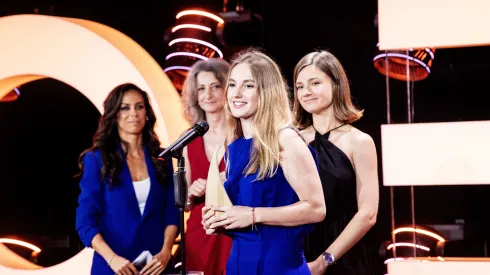
Polish inventor wins European Inventor Award and Popular Choice Award
Inventor Olga Malinkiewicz is the first Pole in history to win the European Inventor Award - a distinction awarded by the European Patent Office (EPO). At the ceremony in Valletta, Malta, she also received the Popular Choice Award.
-

Polish graphic designer awarded in New York
A graphics graduate from the Faculty of Architecture at the Białystok University of Technology, won the Student Prize category in the 'Alter Ego' competition organized in the United States.
Most Popular
-
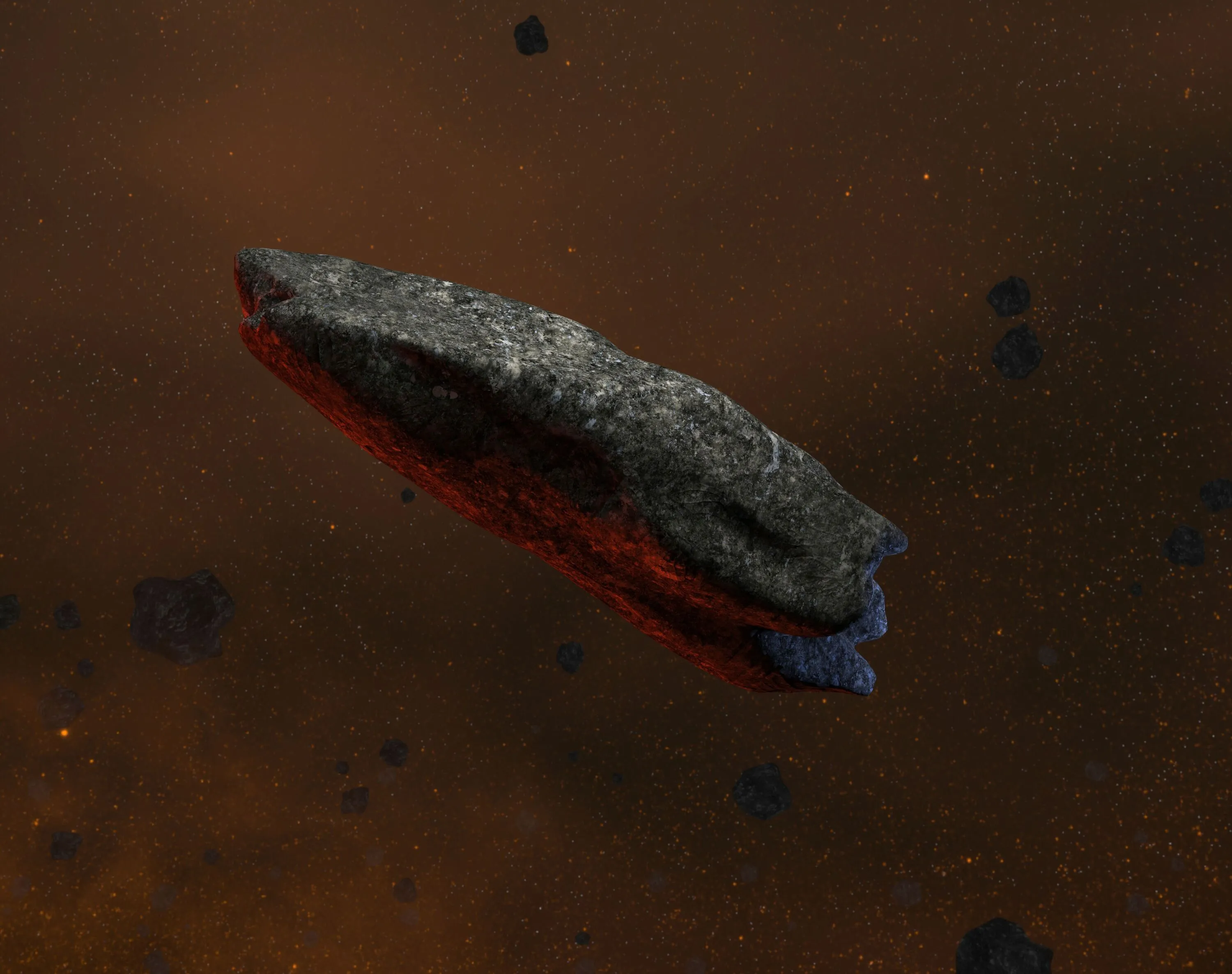
Alien comet reveals secrets of distant star system
-
Archaeologists uncover 2.5km of hidden roads near Machu Picchu
-
Polish scientists turn cold plasma into weapon against crop diseases
-
Words that confuse our emotions hold our attention, Polish study finds
-
Polish scientists find unlikely allies for plants growing in toxic soil