The domestic dog is the only canid species whose primary mating system is polygamy, a trait that may have played a key role in its domestication and the spread of dog genes, according to a study led by a Polish researcher and published in the Proceedings of the National Academy of Sciences (PNAS).
The analysis was led by evolutionary geneticist Małgorzata Pilot, PhD, from the University of Gdańsk, and examined whether changes in reproductive behaviour preceded dog domestication or emerged as a result of it.
“Both wolves, the direct ancestors of the domestic dog, and all other wild canid species exhibit social monogamy. In our study, we show that the change in interbreeding patterns that occurred in domestic dogs may have been a factor that influenced their domestication process,” Pilot said.
In wolves, a pack typically consists of a breeding male and female and their offspring from several litters. Only the dominant pair reproduces, while the remaining adults help raise the pups. Although occasional extra-pair mating occurs, the system is described as social monogamy.
“That is why we are talking about social monogamy, not a strictly monogamous system. By the way, it is similar to how it is with humans,” Pilot added.
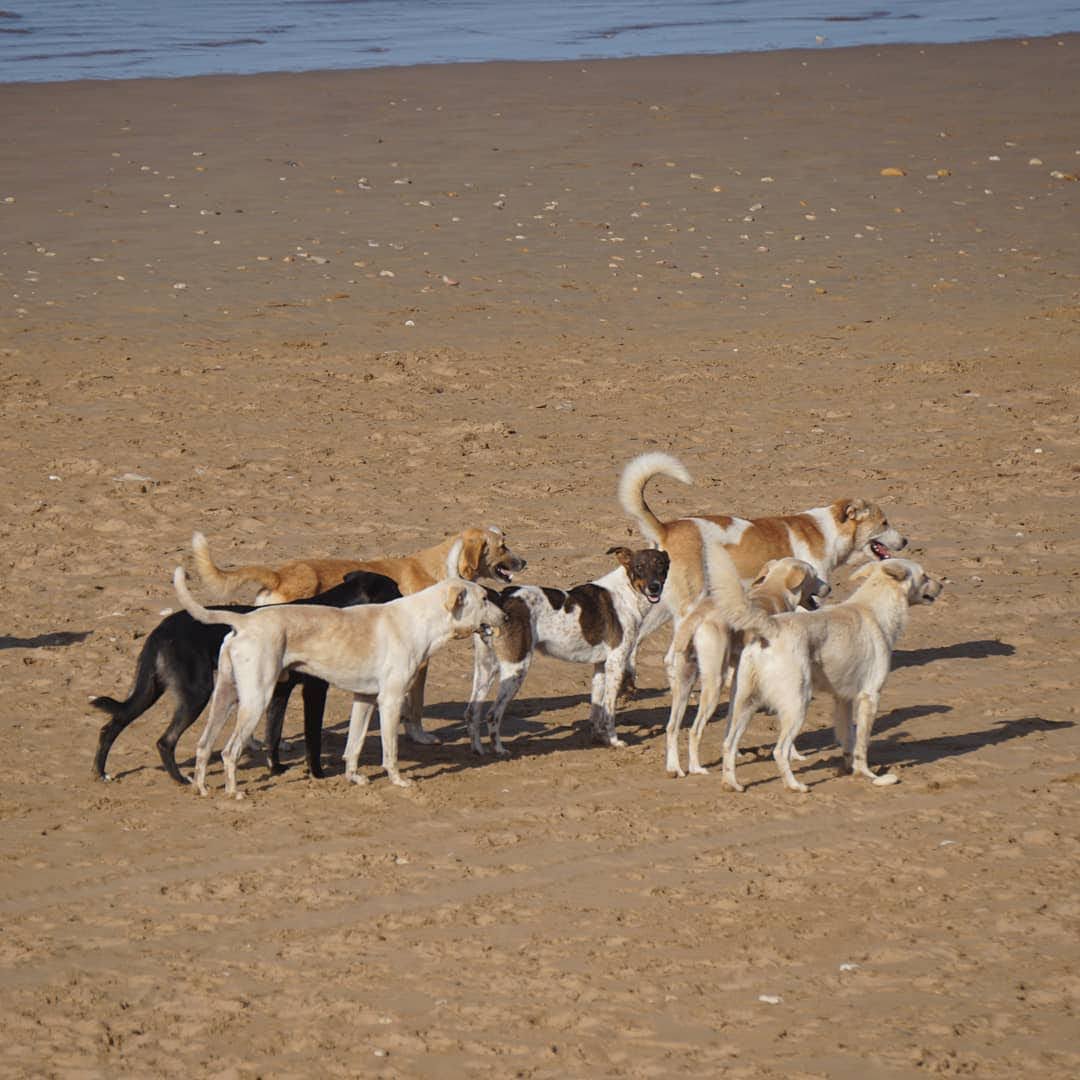
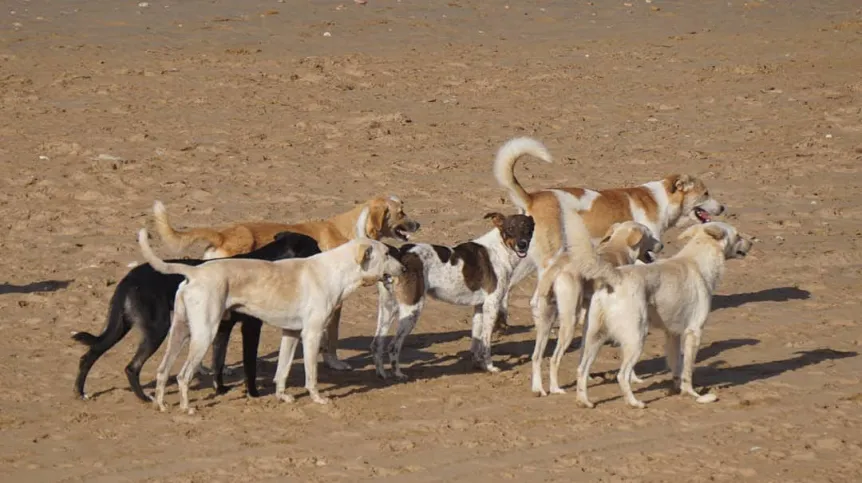
The situation differs among free-living dogs. The study examined dog populations in Morocco, the Chernobyl Exclusion Zone in Ukraine and Italy. In these groups, individuals are not necessarily related, multiple females give birth at the same time, and males mate with several females while providing no parental care. Genetic analyses show that around one-third of litters have multiple fathers.
The researchers investigated whether this shift toward polygamy occurred after domestication or whether it may have facilitated the domestication process itself.
“In this paper, we present strong arguments for the hypothesis that a change in the interbreeding system occurred in the early stages of domestication and was a factor supporting the domestication process, not simply its result,” Pilot said.
To test this hypothesis, the team assessed whether a spontaneous transition between monogamy and polygamy could occur in canids without human involvement. Previous observations show that mating systems in canids can change depending on food availability.
In wolves, abundant prey can lead to multiple females breeding within a single pack, while in harsh environments with limited food, some free-living dog populations revert to systems resembling wolf monogamy.
The researchers argue that early dogs benefited from a new ecological niche created by human settlements, where food scraps were readily available. Easier access to food reduced the need for male parental care, making polygamy viable.
The study also examined how polygamous dogs could have diverged genetically from monogamous wolves. “During our study of the social networks of free-living dogs in Morocco, we found that although females were polygamous, they did not choose partners randomly. They preferred familiar males – they would interbreed significantly more often with those they had frequent interactions with. Females rejected unfamiliar males from further afield,” Pilot said.
Aggression by resident males toward unfamiliar outsiders may also have limited the integration of wolves into early dog groups. In addition, female polygamy increases male reproductive success, meaning dogs mating with multiple partners were more likely to pass on their genes than wolves.
Dogs also tolerate inbreeding to a much greater extent than wolves, a trait that can increase the expression of rare recessive characteristics. According to the researchers, this may have accelerated the spread of adaptations beneficial in human-dominated environments, such as traits related to digesting starch-rich food.
“We have presented strong support for the hypothesis that the mating system was a factor that aided the process of dog domestication. To my knowledge, this is the first study to systematically prove this hypothesis,” Pilot said.
PAP - Science in Poland, Ludwika Tomala
lt/ agt/
tr. RL