Polish scientists have developed a silica-based nanocomposite known as B-STING, that can automatically generate biocidal substances in response to microorganisms, effectively targeting bacteria, fungi, and viruses while remaining safe for human cells.
The nanocomposite, named B-STING (Biocidal Silica-Templated Immobilized Nano-Groups), was developed over years by researchers at the Institute of Nuclear Physics of the Polish Academy of Sciences looking for a new approach to combat microorganisms.
Unlike conventional metal nanoparticles, which must directly contact microorganisms to be effective, the nanocomposite itself is not biologically active.
“When we use gold or silver nanoparticles for biocidal purposes, for example, they must interact directly with microbes. Our material is the result of a decade of work on a radically different approach. It is not a biologically active substance itself. Instead, it is a nanofactory that produces reactive oxygen species that are lethal to microorganisms and effectively penetrate the cell membranes of bacteria and fungi,” said Magdalena Laskowska, PhD, first author of the paper published in Applied Surface Science.
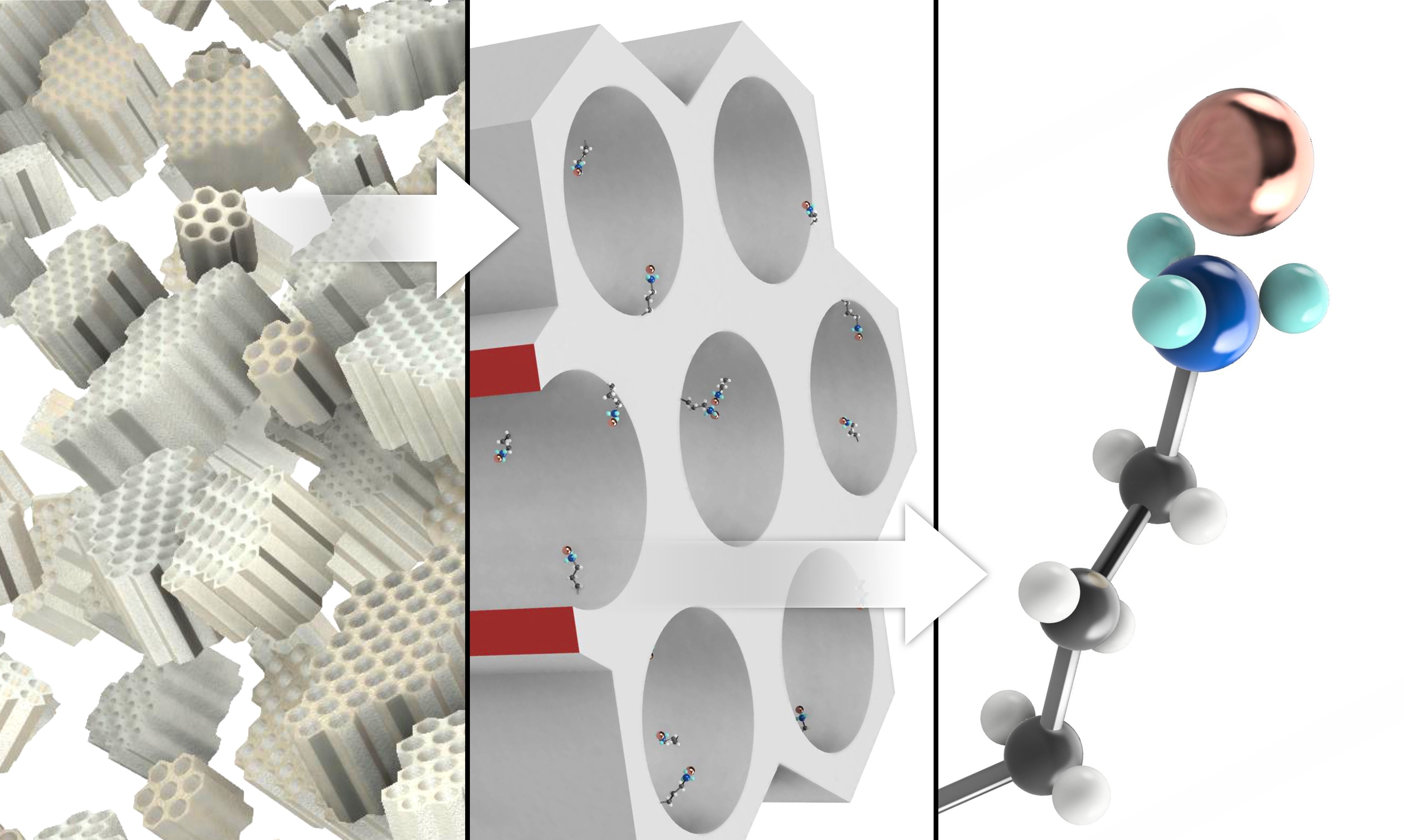
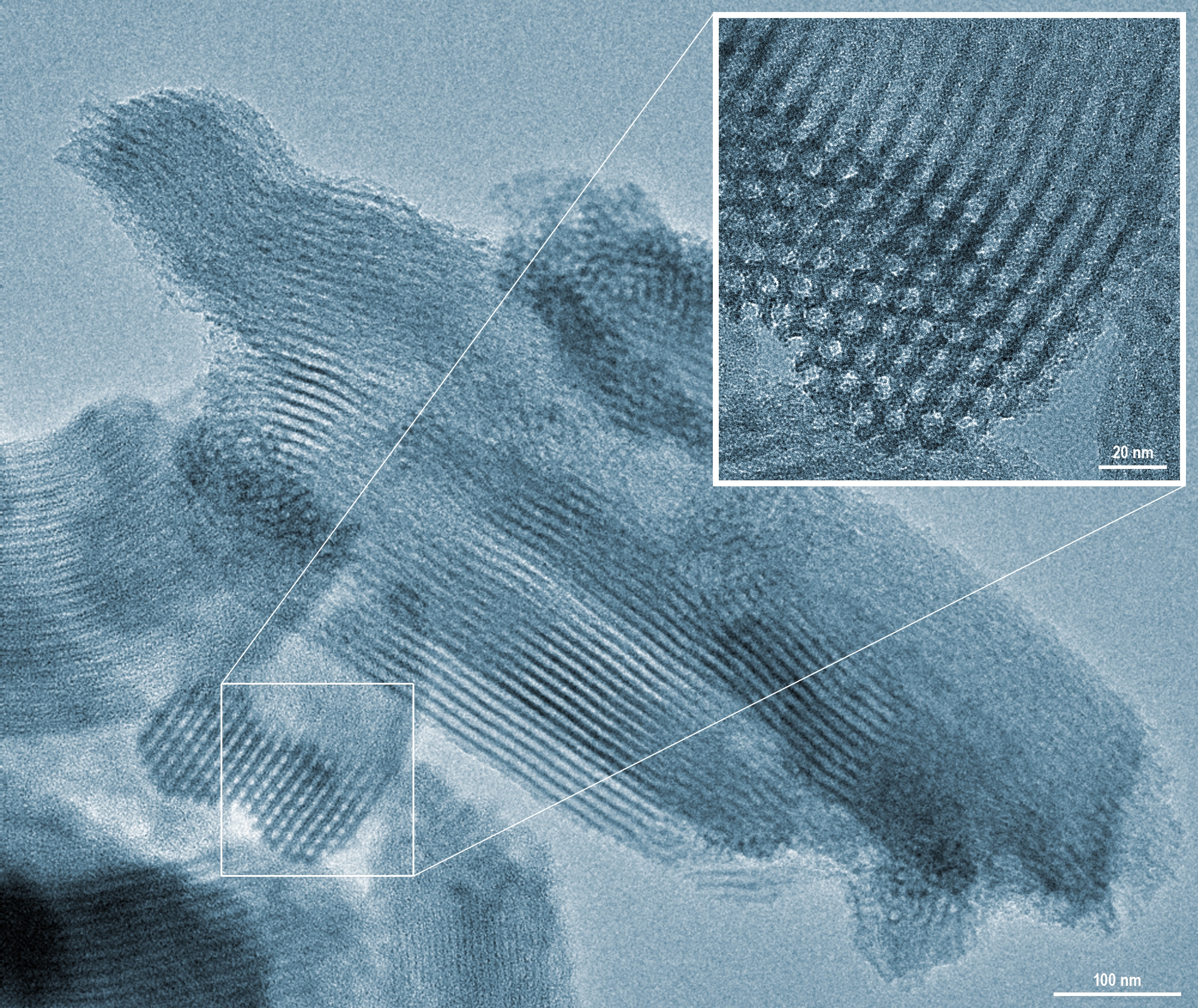
The material’s structure underpins its properties. B-STING consists of silica with cylindrical mesopores 8 nanometers in diameter, arranged hexagonally in a honeycomb-like layer. The pores increase the surface area available for chemical reactions roughly 80-fold. Chemical groups inside the pores hold individual copper atoms, which act as catalysts.
“The precise architecture of our material ensures that each metal atom has access to the environment and can catalyse the production of reactive oxygen species from water and oxygen contained in the air penetrating the mesopores. As a result, B-STING does not require any external trigger, such as light or ultrasound, so it can work even in the dark,” explained Łukasz Laskowski, PhD, a professor at the Institute of Nuclear Physics PAS and co-author of the study.
Tests in collaboration with the Medical University of Lublin confirmed the high effectiveness of B-STING coatings in eliminating bacteria, fungi, and viruses. At the same time, studies on human fibroblasts showed that the material is safe for human cells. The production of biocidal substances is triggered by environmental changes caused by microorganisms, such as a drop in pH, the presence of sulfur compounds, or fluctuations in oxygen availability.
“This is a significant advantage of our solution, as the production of disinfectants responds to the conditions,” Laskowski said. He added that if future research shows no adverse effects, B-STING could potentially be used in drugs to combat a wide range of microorganisms more effectively than antibiotics.
Currently, B-STING can be applied as durable, mechanically and stain-resistant biocidal coatings for hospital, laboratory, and industrial surfaces. The coatings remain active on glass, metals, polymers, and complex shapes, and production is economically viable, with copper serving as a cost-effective alternative to gold or silver.
Katarzyna Czechowicz (PAP)
kap/ agt/
tr. RL