
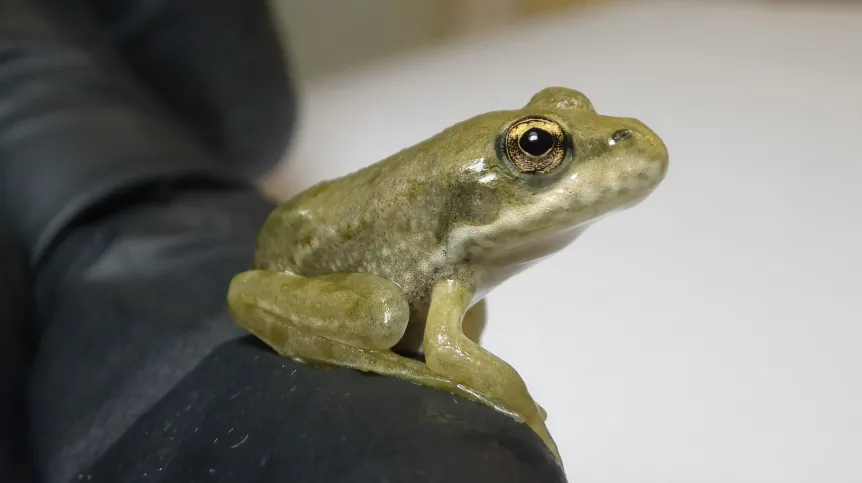
Chemical compounds commonly found in surface waters, including substances used in plastics and contraceptives, can disrupt the sexual development of frogs, damage their reproductive organs and significantly impair their health, according to a study by Polish researchers published in the journal Aquatic Toxicology (https://www.sciencedirect.com/science/article/pii/S0166445X26000858).
Scientists found that exposure to ethinylestradiol (EE2), a synthetic oestrogen used in contraceptives and hormonal therapies, dramatically skewed sex ratios in marsh frogs (Pelophylax ridibundus), while bisphenol A (BPA), a chemical used in plastics production, caused damage to reproductive tissues.
The study was led by Martyna Frątczak, a veterinarian at the Poznań University of Life Sciences, and funded by Poland's National Science Centre under the Preludium programme.
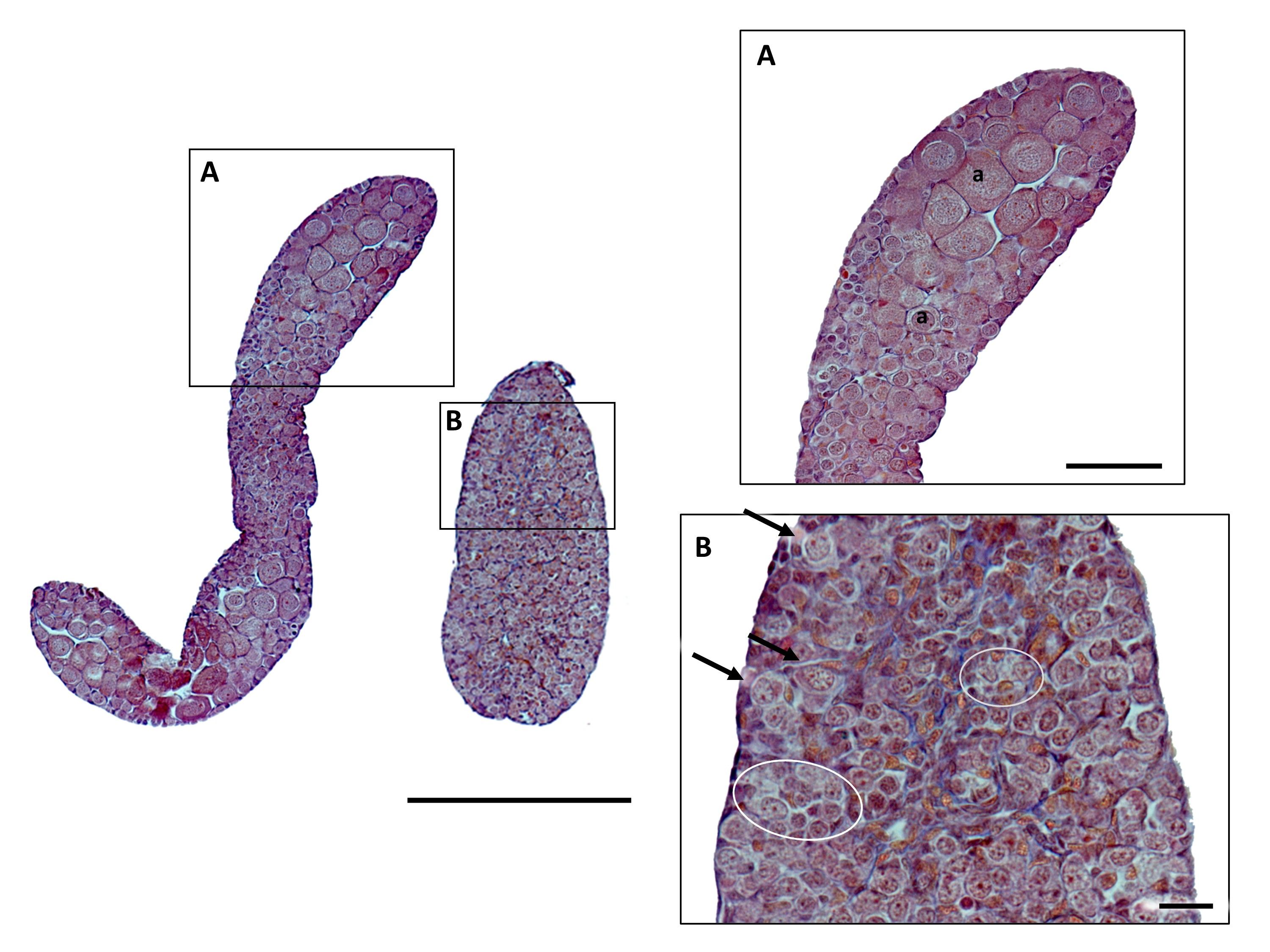
“The results were alarming. In the group of frogs developing in water containing EE2, the sex ratio was significantly distorted - there were approximately nine females for every male, whereas under normal conditions, the ratio should be close to 1:1. In some individuals, we also detected intersex traits, i.e., gonads containing both testicular and ovarian tissue. Everything indicates that some genetic males developed female traits under the influence of the compound. Importantly, this effect occurred at extremely low concentrations of the substance - approximately one molecule of the compound per billion water molecules. Such concentrations are currently detected in surface waters, including natural reservoirs inhabited by frogs,” says Frątczak.
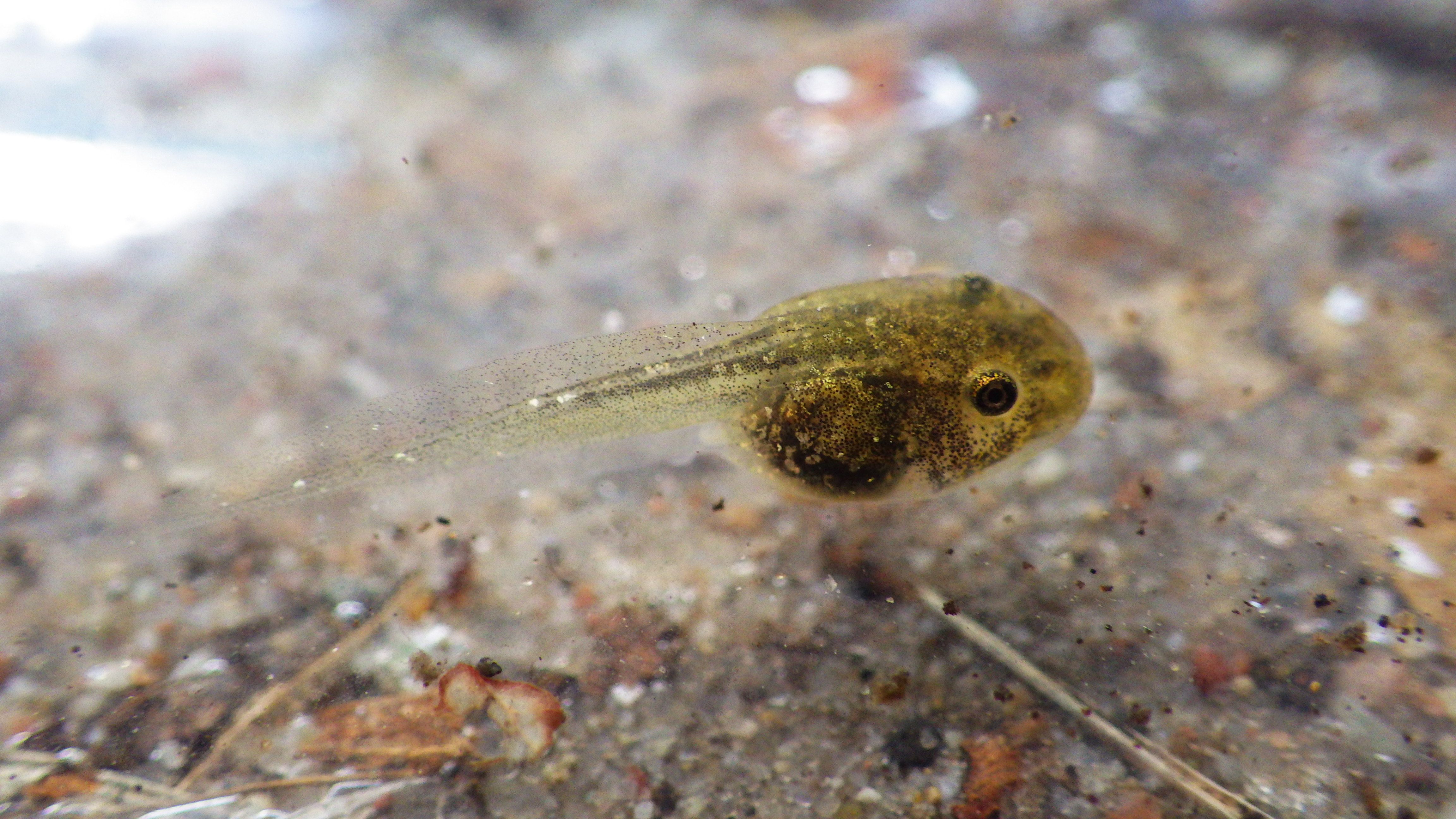
Researchers exposed 300 marsh frog tadpoles to low concentrations of BPA and EE2 in outdoor tanks designed to replicate natural conditions. The chemical levels matched those recorded in European surface waters. After metamorphosis, the animals underwent anatomical and histological examination.
While BPA did not alter sex ratios, it caused significant degeneration and atrophy of germ cells in the testes of some males, changes researchers said could reduce fertility. Delayed development was also observed in some testes and ovaries.
The researchers also found that frogs exposed to the highest concentrations of BPA and EE2 showed poorer body condition.
“In amphibians, even a slight decline in body condition can have a dramatic impact on their survival. Weaker individuals grow more slowly, overwinter less well, are more susceptible to disease, and may achieve lower reproductive success. Such subtle effects are often difficult to detect in nature, but in the long term, they can impact the functioning of entire populations,” explains study co-author Mikołaj Kaczmarski, PhD, from the Poznań University of Life Sciences.
The team additionally examined digit ratios — the relative lengths of the second and fourth digits — a trait linked to hormone activity during embryonic development in many vertebrates. The researchers found the measure was sensitive to hormonal pollutants, although the changes were subtle.
“Hormones regulate a vast number of processes related to body development, from gonadal differentiation to growth rate and the development of sexual traits. Endocrine-active substances can disrupt these mechanisms on many levels, and the effects of exposure are not always immediately apparent. Therefore, it is crucial to search for new, sensitive, yet non-invasive biological indicators of exposure to these chemicals,” sayss study co-author, Katarzyna Szkudelska, PhD, a professor at the Poznań University of Life Sciences.
The paper was authored by researchers from the Poznań University of Life Sciences, the Jagiellonian University, the University of Szczecin, the University of Wrocław and the University of Białystok.
Scientists said the findings add to growing evidence that endocrine-disrupting compounds can affect wildlife even at extremely low concentrations.
“Endocrine-disrupting compounds (EDCs) are now being detected in rivers, lakes, sewage, and even drinking water worldwide, also in Europe. Most of these compounds originate from human activity: plastic degradation products, drug residues, ingredients in cosmetics, detergents, and pesticides. Although their concentrations are usually very low, a growing number of studies show that they can have a strong impact on living organisms, especially during their early development,” according to a press release from the Poznań University of Life Sciences.
The researchers warned that the implications could extend beyond amphibians.
“Amphibians have long been considered an early warning system for the environment. If we observe disruptions in their sexual development due to substances present in water, it means we are dealing with a real ecological problem. We are probably only seeing a fragment of a much larger phenomenon,” says project co-author, Professor Piotr Tryjanowski from the Poznań University of Life Sciences.
According to the authors, many substances suspected of disrupting hormonal systems are not yet subject to mandatory monitoring in surface and drinking water across the European Union, and environmental standards have not been established for some compounds. Although the study focused on amphibians, the researchers said endocrine-active substances also raise concerns for human health because they may affect similar hormonal mechanisms involved in development and bodily functions. (PAP)
PAP - Science in Poland
zan/ bar/
tr. RL