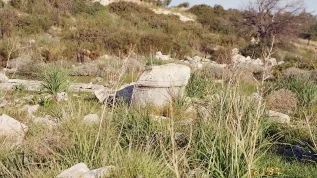
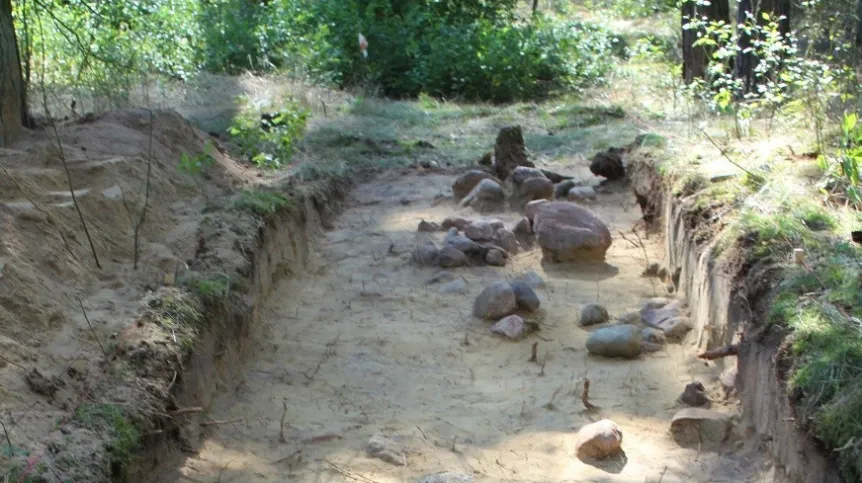
People who built monumental tombs in Central Europe about 5,600 years ago managed forests without causing widespread environmental destruction, using selective logging and rotational land use instead of large-scale burning, according to a new study.
Researchers from the Faculty of Archaeology and the Faculty of Geographic and Geological Sciences at Adam Mickiewicz University in Poznań found that communities of the Neolithic Funnelbeaker culture exploited forest resources in a way that maintained the stability of ancient woodland ecosystems. Their findings were published in the „Journal of Archaeological Science”.
The study combined archaeological evidence with high-resolution palaeoecological analyses of ancient lake sediments collected near a Funnelbeaker cemetery in Sobota, western Poland, allowing researchers to reconstruct environmental changes almost year by year.
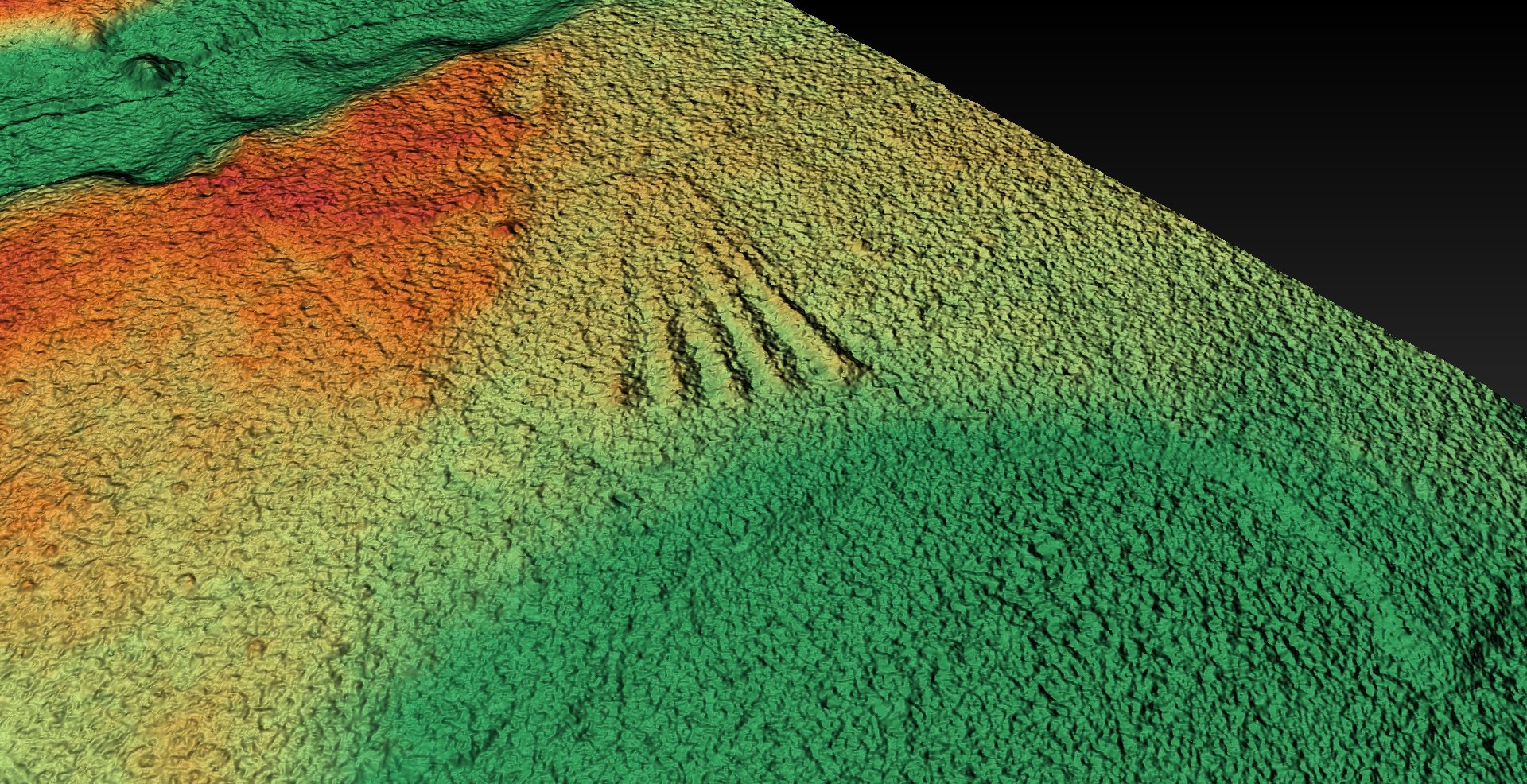
The cemetery, discovered in 2018 using LiDAR technology, comprises five monumental earth-and-stone tombs measuring up to 145 metres in length and dating to the fourth millennium BCE. Until now, interactions between Funnelbeaker communities and the environment in Central and Eastern Europe had remained poorly understood and were largely based on speculation.
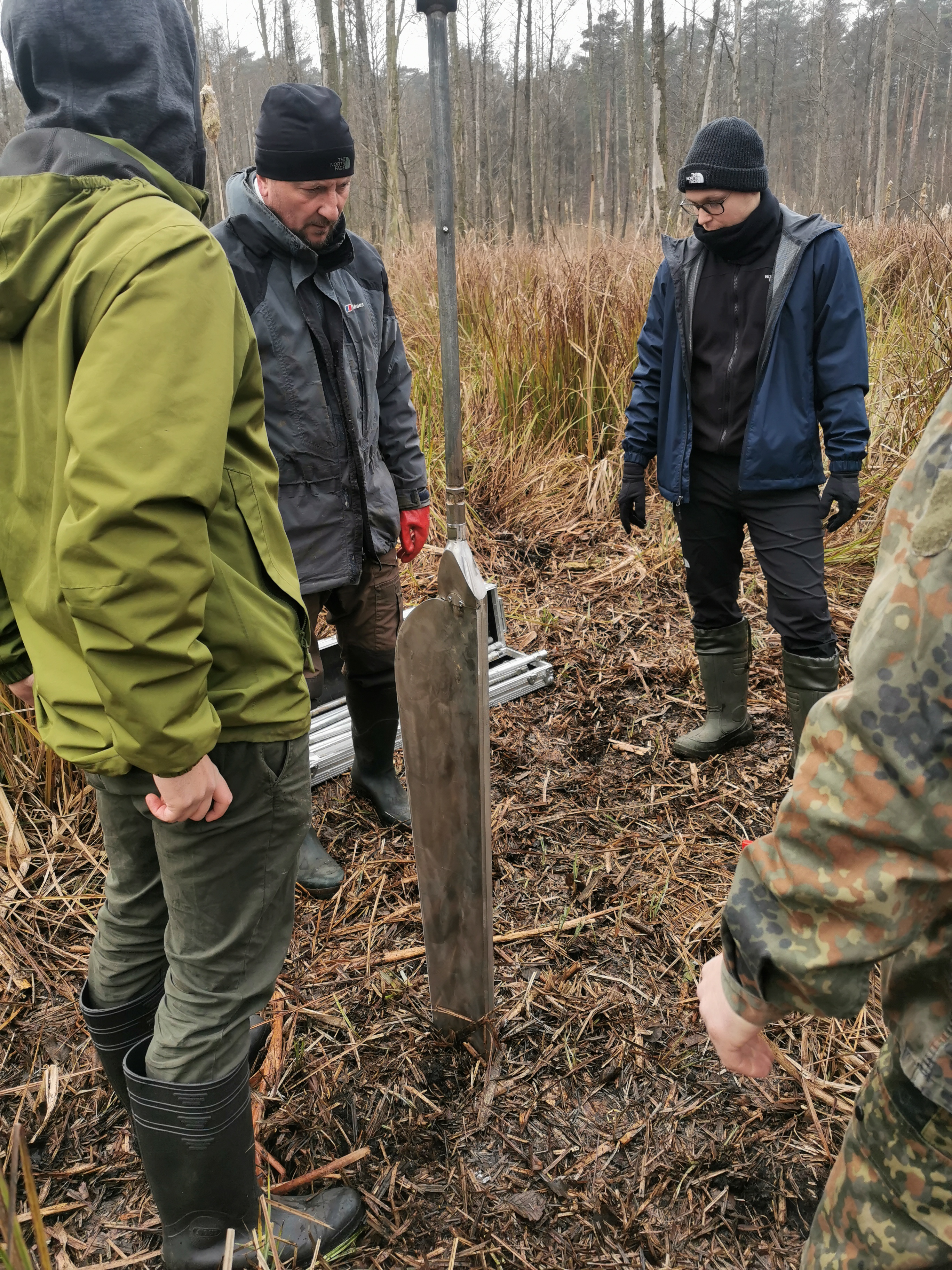
Researchers analysed a sediment core taken from a peat bog that was once a lake adjacent to the cemetery. By examining plant pollen as well as microscopic and macroscopic charcoal, they reconstructed the area's environmental history and assessed the role of fire and human activity in shaping the landscape.
The analyses found no evidence of large-scale forest burning to create farmland. Instead, the researchers concluded that Neolithic farmers used a rotational system of land use and selectively removed young trees and shrubs, a practice they describe as "quasi-sustainable" because it did not undermine the long-term stability of the surrounding forest.
The study also found that local communities had been selectively clearing vegetation for more than a century before the tombs were built, around 3660 BCE. By opening gaps in the forest canopy, this practice increased sunlight reaching mature trees and triggered a prolonged rise in pollen production that lasted several centuries.
Evidence of farming and livestock grazing, including spores of fungi associated with animal dung, indicates that fields, pastures and the monumental cemetery existed in close proximity, or were separated only by a small lake.
The researchers also found that human activity accelerated soil erosion, gradually filling in the lake and transforming it into a wetland that survives today in a modified form.
"Integration of archaeological data with advanced palaeoecological reconstruction allowed us, for the first time in this part of Poland, to precisely answer questions about the role of fire and human impact on forest ecosystems in the Neolithic. We have proven that monumental funerary architecture did not have to be associated with drastic environmental degradation," the authors said.
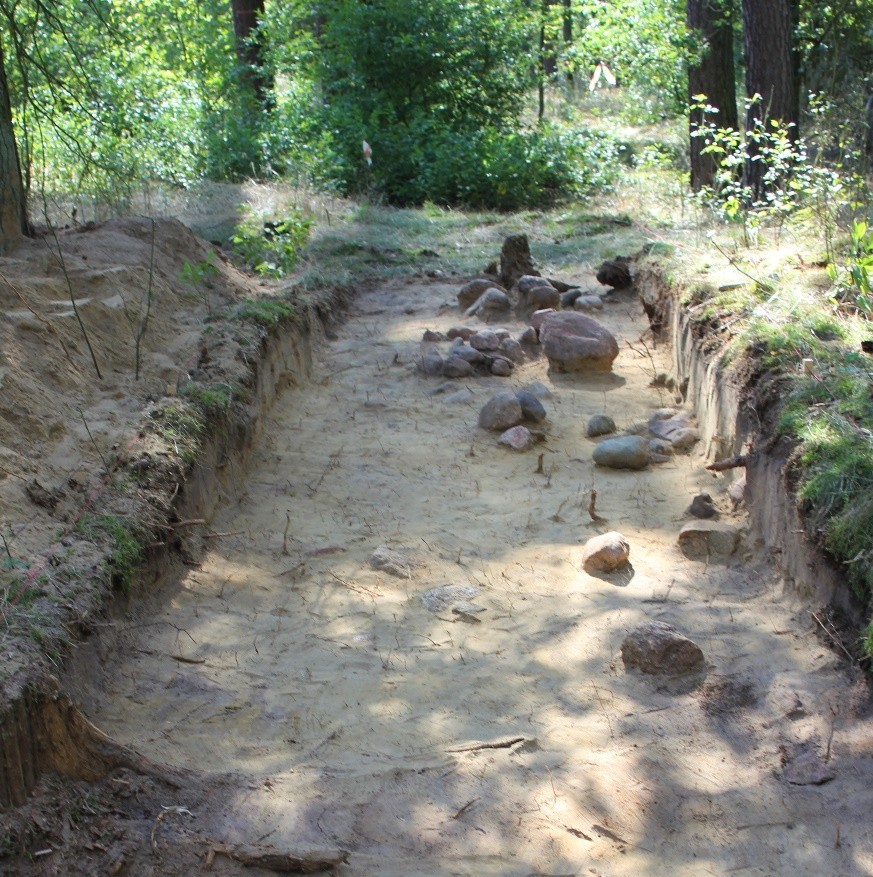
The Funnelbeaker culture occupied much of present-day Denmark, Germany, the Czech Republic, the Netherlands, Austria and almost all of Poland between 3800 and 2700 BCE. It is best known for its skeletal burials and megalithic tombs, including the long earthen monuments known as Kuyavian long barrows.
The research was funded by the Polish National Science Centre through the project "Lost and found: Megalithic tombs of the Funnelbeaker culture in the cultural and natural landscape of Greater Poland.” (PAP)
PAP - Science in Poland
ekr/ bar/
tr. RL