Scientists have identified eight species of parasites in human burials from Chełm in eastern Poland dating back around 500 years, with most individuals showing evidence of multiple simultaneous infections, according to a study published in Archaeological and Anthropological Sciences.
The findings come from a Polish-French research team that analysed remains recovered from nearly 300 graves discovered accidentally during heating network reconstruction works in the city. The cemetery dates from the second half of the 17th century to the early 19th century, covering the early modern period.
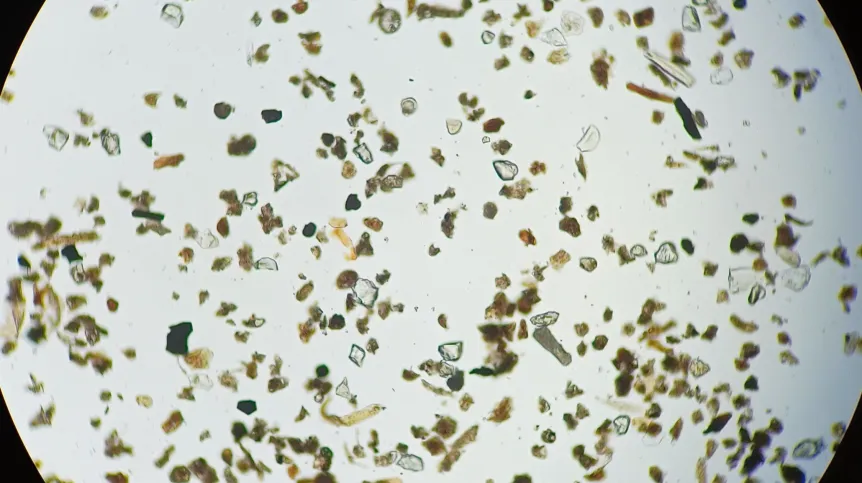
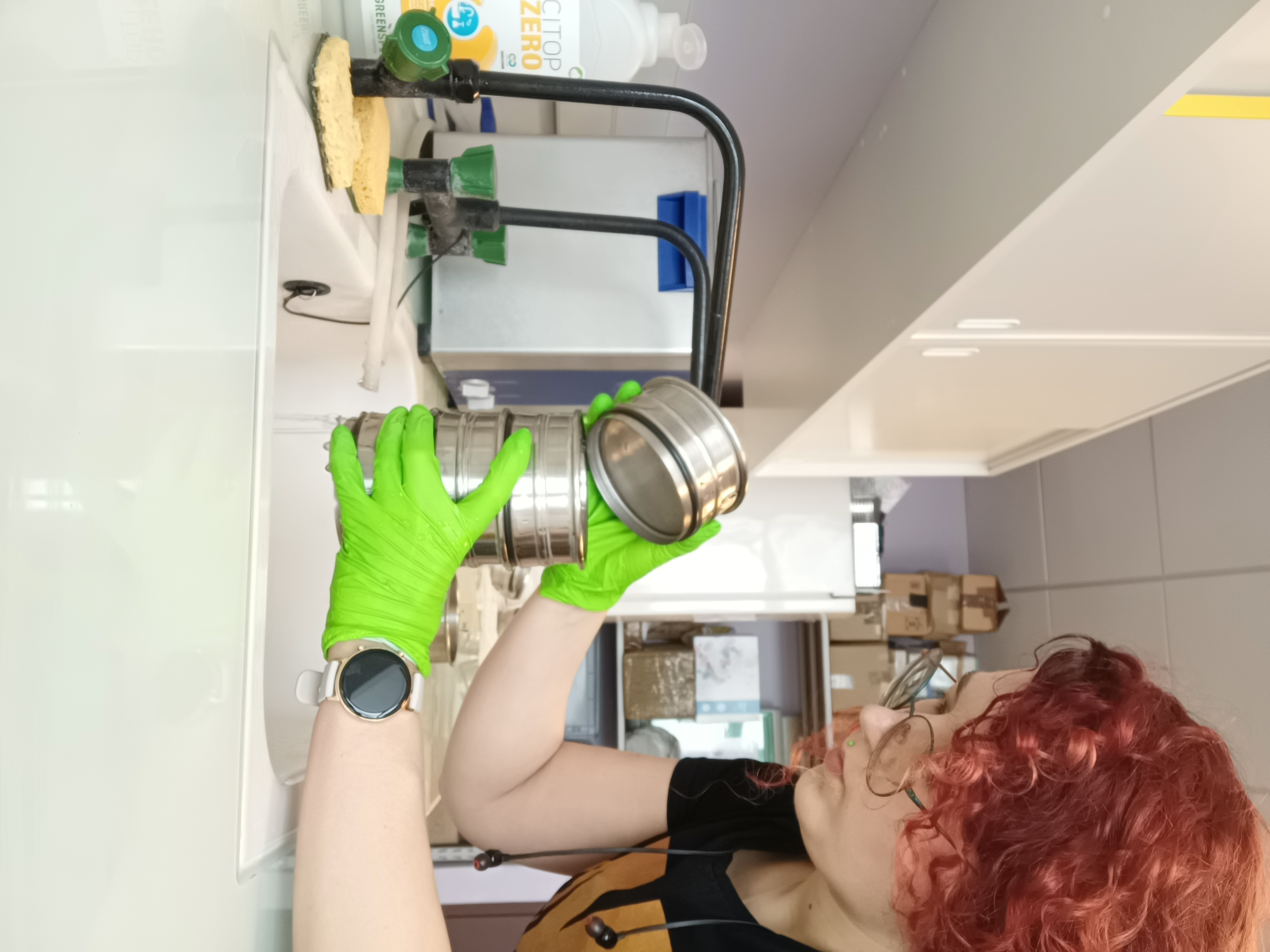
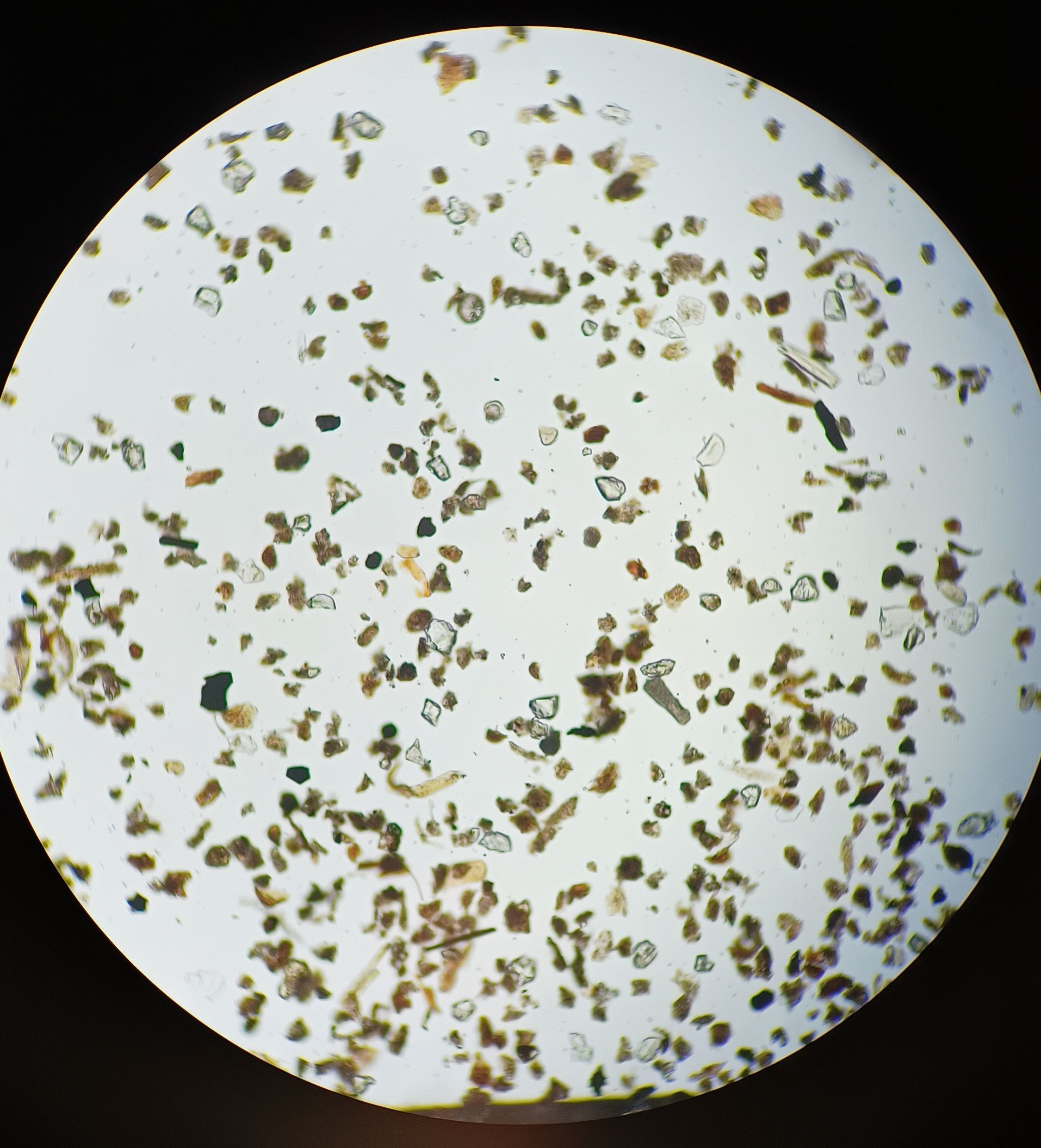
Researchers examined biological samples from 100 individuals, including eight children, 15 adolescents and 77 adults. They used palaeoparasitological methods, which involve identifying parasite eggs preserved in archaeological material, to reconstruct patterns of infection, diet and sanitation conditions in the historic population.
The study found that parasitic infections were extremely widespread. Every analysed sample contained parasite eggs, and more than 1,000 eggs were identified in total across eight different taxa. In 84 individuals, scientists found evidence of polyparasitism, meaning infections with multiple parasite species at the same time.
Researchers said this pattern could have significantly affected health, since coexisting parasitic infections can intensify symptoms such as malnutrition, intestinal damage and immune stress.
Two parasite species dominated the findings. Whipworm eggs (Trichuris spp.) were identified in 93 burials, while roundworm eggs (Ascaris sp.) were found in 81. Both species co-occurred in 75 individuals. These parasites are still common in many parts of the world today, particularly in regions with limited sanitation infrastructure.
Infection occurs when parasite eggs are ingested through contaminated hands, food or water. Researchers said such contamination is typically linked to contact with human or animal faeces and poor separation between waste and drinking water sources.
The study’s authors said historical sanitation practices likely played a major role in the spread of infection. Human waste was often used as fertiliser in fields, and contaminated runoff could easily reach wells and other water supplies. The authors added that in early modern cities, sanitation systems were often underdeveloped, allowing parasite eggs to circulate widely in the environment.
Geography may also have contributed. Chełm was located on elevated terrain, and access to clean water sources was limited at times, which could have increased reliance on contaminated supplies.
Fluke parasites of the genus Fasciola, most likely Fasciola hepatica (the common liver fluke), were detected in 39 cases. Infection with these parasites today is most often associated with the consumption of raw aquatic plants, such as watercress or other vegetation growing near water bodies. Researchers said this finding suggests that aquatic plants may have formed part of the diet of Chełm’s inhabitants.
Fish-borne tapeworms (Dibothriocephalus spp.) were also identified in several individuals. These parasites are contracted by eating raw or undercooked fish. Their presence indicates that fish consumption was part of the local diet, which is consistent with Chełm’s proximity to the Uherka River and nearby ponds.
Researchers noted that parasites were not detected in the remains of children, which they said may suggest differences in diet between age groups, including possible restrictions on fish consumption for younger individuals.
Some parasite species linked to food consumption appeared more frequently in women than in men. Researchers said this does not necessarily indicate higher disease burden among women, but may reflect social roles in food preparation and handling raw ingredients, which could have increased exposure to infection pathways.
The study also discussed broader food preparation practices that can increase parasite transmission risk, including the use of shared utensils for raw and cooked meat, and insufficient cooking times. These behaviours can lead to undercooked food being consumed within households, increasing infection risk across multiple family members.
In addition to intestinal parasites, the researchers emphasised that the high prevalence observed in Chełm does not necessarily mean residents lacked basic hygiene awareness. Instead, they said it reflects structural limitations of early modern urban sanitation systems, where waste management, agriculture and water supply were closely interconnected.
According to the publication, even routine behaviours such as washing hands may not have been sufficient to prevent infection, as parasite eggs are highly resistant and can survive for long periods in soil and water. Once introduced into the environment, they could persist and spread repeatedly through contaminated resources.
Aleksandra Grzegorska, PhD, from the Faculty of Archaeology at the University of Warsaw, said the study highlights the value of revisiting older archaeological collections.
“The uniqueness of this study stems not only from the obtained results but also from the origin of the analysed samples. In palaeoparasitology, material for study is usually collected directly during archaeological excavations. In this case, this was not possible, so we resorted to materials stored in warehouses. We knew that similar attempts had been made before, but it is still not standard practice,” she said.
Researchers said the findings show that historical parasite burdens were likely shaped by environmental exposure rather than individual hygiene alone, and that high infection rates were common in urban populations across Europe during the early modern period.
They added that the study provides one of the most extensive datasets on parasitic infections from this period in Central and Eastern Europe, offering new insight into diet, sanitation practices and daily life in historic Chełm.
The research was funded by the Polish National Science Centre under the Preludium programme.
PAP - Science in Poland, Ewelina Krajczyńska-Wujec (PAP)
tr. RL
ekr/ agt/