
-

Polish innovators win James Dyson Award 2025 for ‘life-saving’ water monitoring technology
A team of engineers from Warsaw has won the 2025 James Dyson Award in the “Sustainability” category, a global recognition for young inventors tackling real-world problems.
-

Wrocław students wins international competition for futuristic housing estate design
Students from the Wrocław University of Science and Technology won the main prize in an international competition for housing estates of the future.
-

Mathematics students from MIM UW win European ECMI competition
Students from the Faculty of Mathematics, Informatics and Mechanics of the University of Warsaw have won the mathematics applications competition organized by the European Consortium for Mathematics in Industry (ECMI).
-
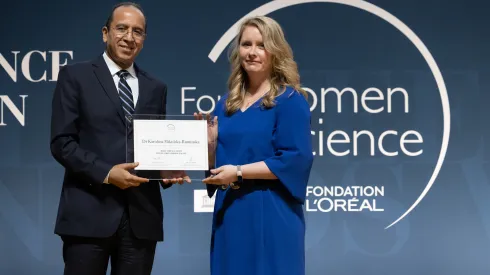
Toruń researcher among the Rising Talents of Science
Dr. Karolina Mikulska-Rumińska from the Nicolaus Copernicus University has been awarded in the International Rising Talents programme that highlights the achievements of young women scientists whose research can change the world.
-
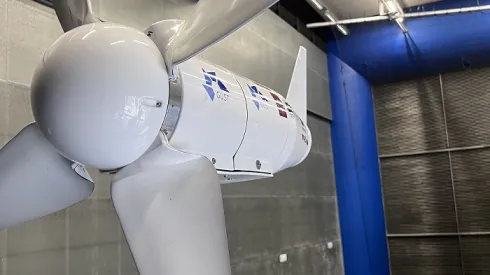
Łódź wind turbine awarded in the Netherlands
A modular turbine with slanted blades designed by Łódź students has won second place in the International Small Wind Turbine Contest for producing a record amount of electricity.
-
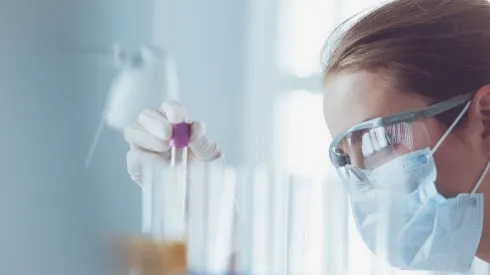
Polish biologist in Future Science Future Star Award finals
Dr. Karolina Pierzynowska from the Faculty of Biology of the University of Gdańsk is among four finalists competing for the international Future Science Future Star Award.
-

Hattrick! Three Polish scientists win ERC Consolidator Grants
Three Polish scientists are among over 320 winners of the ERC Consolidator Grant, a prestigious grant awarded by the European Research Council.
-

Seventeen Polish doctors and scientists granted fellowships at top Us medical centres
Seventeen Polish doctors and scientists have won fellowships to the best medical centres in the US after winning the second edition of the Walczak Programme of the Polish National Agency for Academic Exchange (NAWA).
-

Wrocław Scientists Co-Create World-Changing Technology
An international project co-created by scientists from the Faculty of Geoengineering, Mining and Geology at the Wrocław University of Science and Technology has been named among 1,000 modern technologies that are changing the world.
Most Popular
-
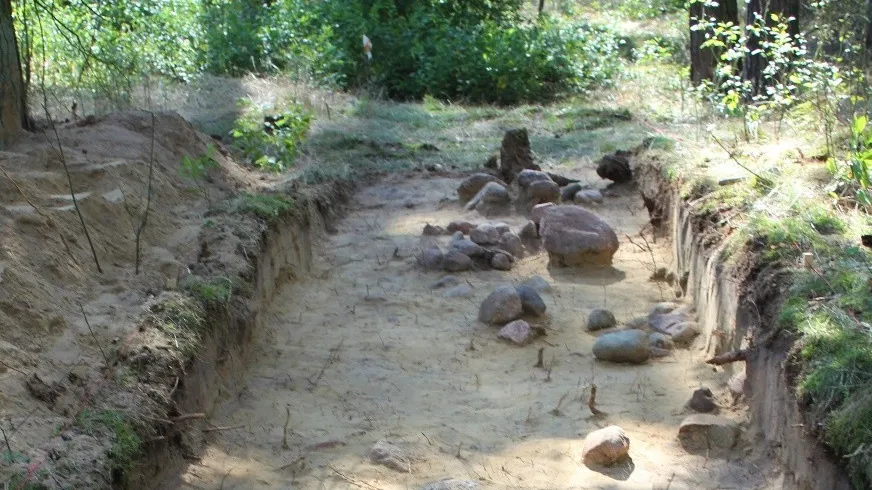
Study challenges view that Neolithic monument builders devastated Europe's forests
-
Study finds lawn mowing creates trade-offs for urban ecosystems by altering plant chemistry
-
Wolf skulls reveal species' history
-
Polish researchers develop low-cost nanographene production method for non-metallic materials
Recommended

Epigenetic cancer 'fingerprints' can speed up and facilitate diagnosis
Scientists have developed a tumour classification system based on epigenetic changes that can distinguish nearly 50 types of cancer with high accuracy, a breakthrough that could eventually allow molecular testing to complement or partially replace conventional histopathology.