Poland’s role in the ALICE experiment at European Organization for Nuclear Research (CERN) has grown significantly following the end of cooperation with Russia, according to Krystian Rosłon of the Warsaw University of Technology.
“Poland has become a decisive player at CERN. We are no longer just users of data, we are equipment builders. We have the ambition to build our own large detector. However, this requires system support: not only grants, but also stable financing for engineers who take care of Polish equipment on site in Geneva. Our position has improved enormously and we cannot waste this opportunity,” Rosłon says.
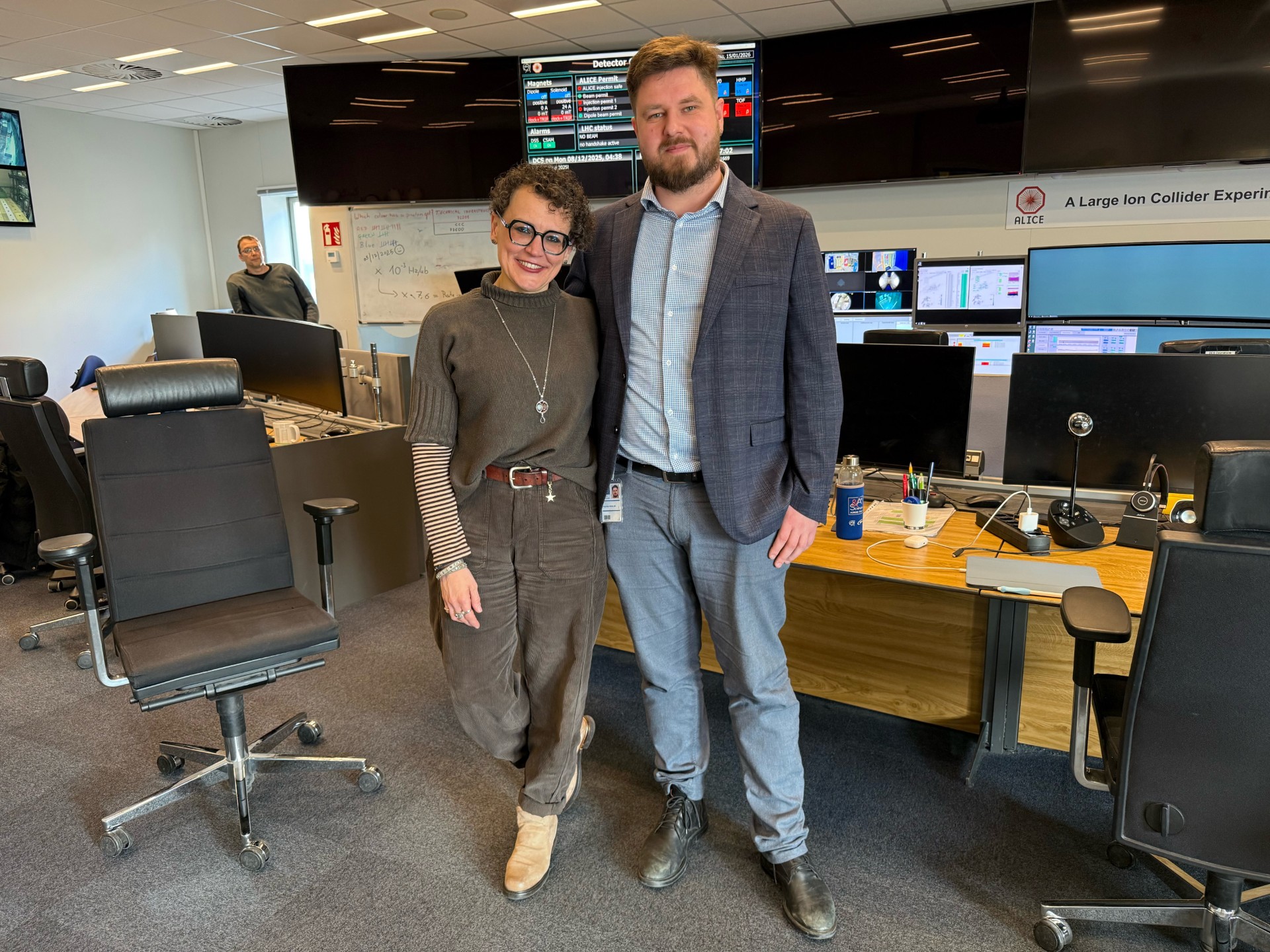
Since January 2026, Rosłon has been serving as Deputy Run Coordinator in the ALICE experiment, one of the four main experiments conducted at the Large Hadron Collider (LHC) near Geneva. He is the first Pole to hold the position.
Russia had observer status at CERN since 1991, and its institutions co-created parts of the accelerator infrastructure. Cooperation ended in November 2024 after CERN terminated contracts with Russia following the invasion of Ukraine.
THE VACUUM AFTER RUSSIAN SPECIALISTS
'Because the ending of cooperation with the Russian Federation was quite smooth and long, specialists from other countries managed to take over quite a lot of the competences of the Russians who worked there. However, some of the departing Russians wanted to share their knowledge, and some did not', says Rosłon, who previously worked for years at the Joint Institute for Nuclear Research in Dubna, Russia, before joining CERN.
He admits that continuity of operation could not be ensured for all devices for which Russian groups had been responsible. In 2024, two ALICE subsystems previously operated mainly by Russian specialists were deactivated. They were not considered a priority for mainstream research and were disabled with the possibility of being re-enabled in the future.
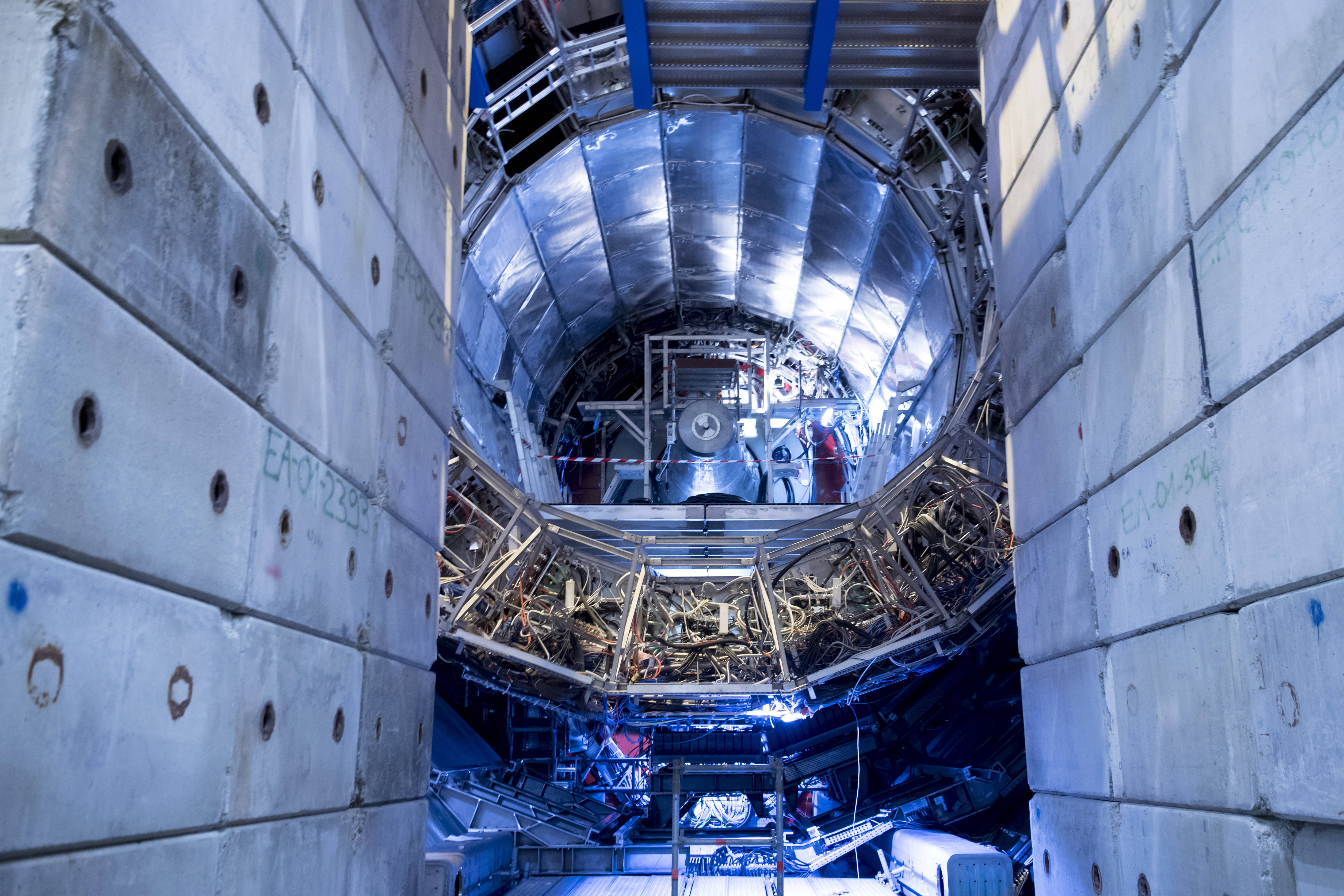
In other cases, the involvement of Polish scientists proved necessary, and their contribution “has been noticed by the top management,” Rosłon says.
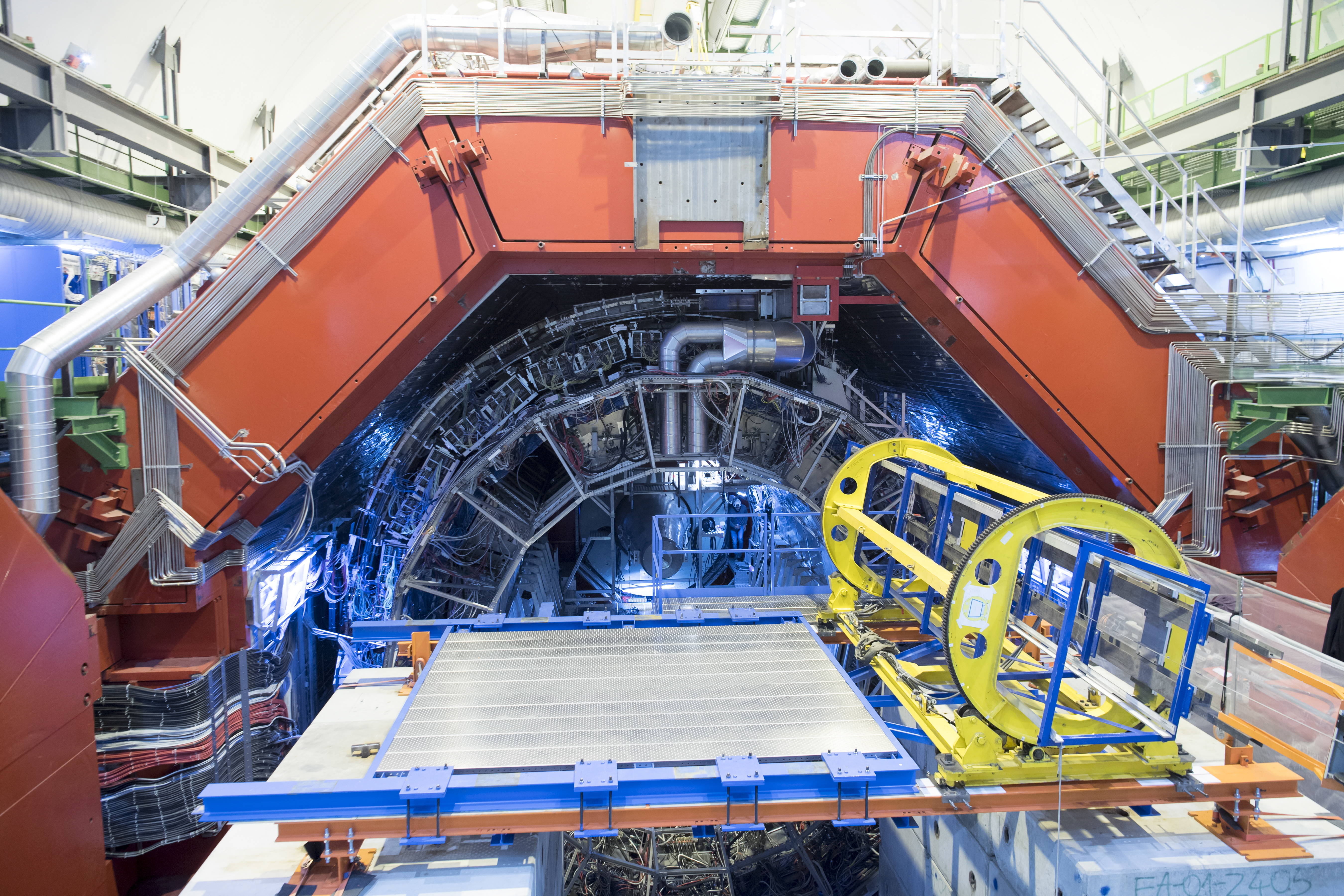
The ALICE collaboration includes more than 2,000 scientists and specialists worldwide. The experiment studies quark-gluon plasma, a state of matter believed to have existed shortly after the Big Bang. To recreate it, extremely accelerated heavy ions, mainly lead, are collided at the LHC and the results are recorded.
WHAT DOES ALICE DO?
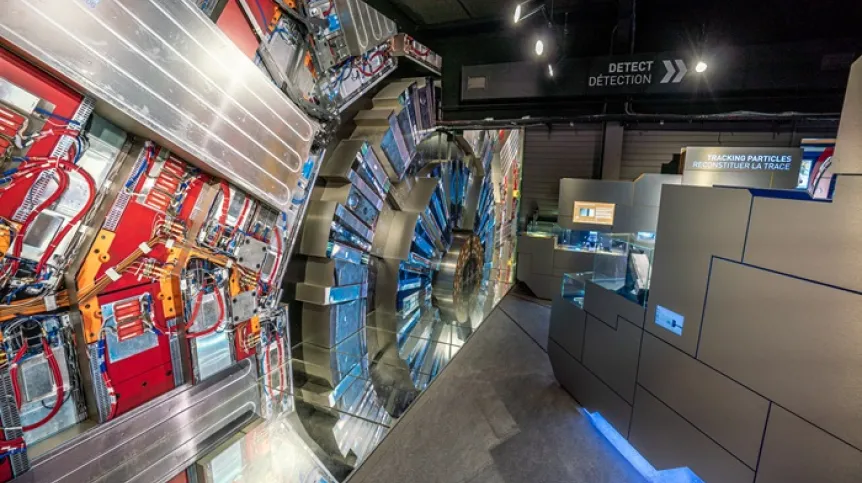
ALICE consists of several layers of detectors arranged concentrically. At its core is the FIT (Fast Interaction Trigger) system, which includes a very fast Cherenkov detector known as FT0. Its task is to immediately detect particle collisions and provide their precise timing. Polish scientists, under the supervision of Professor Jacek Otwinowski as project leader, are responsible for this part of the system.
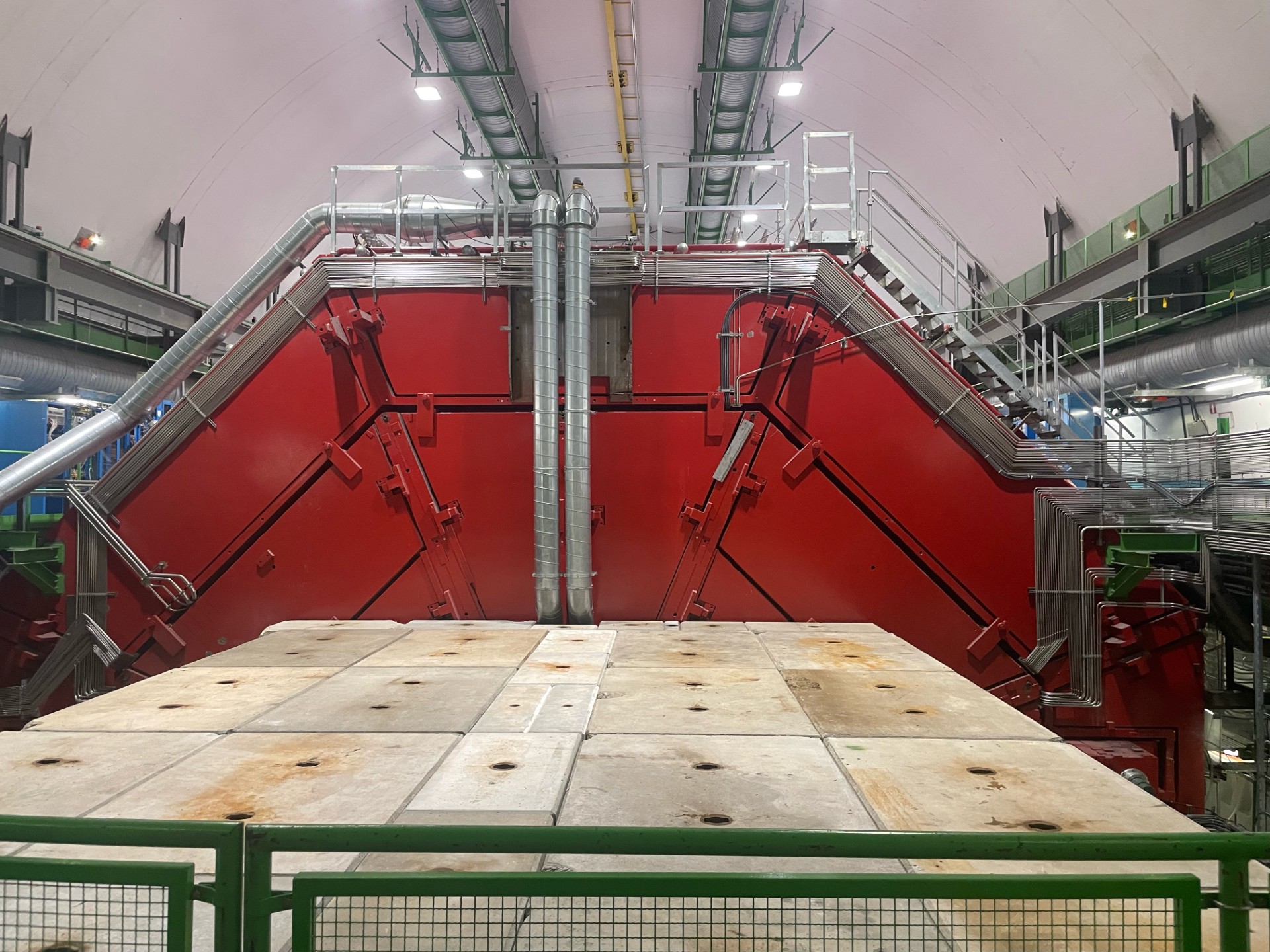
One of the three subdetectors forming the FIT detector, FT0, was supplied by Russian institutions, but its full construction specifications were never provided.
“When the Russians left, they left us without full documentation and without electronic support,” Rosłon says.
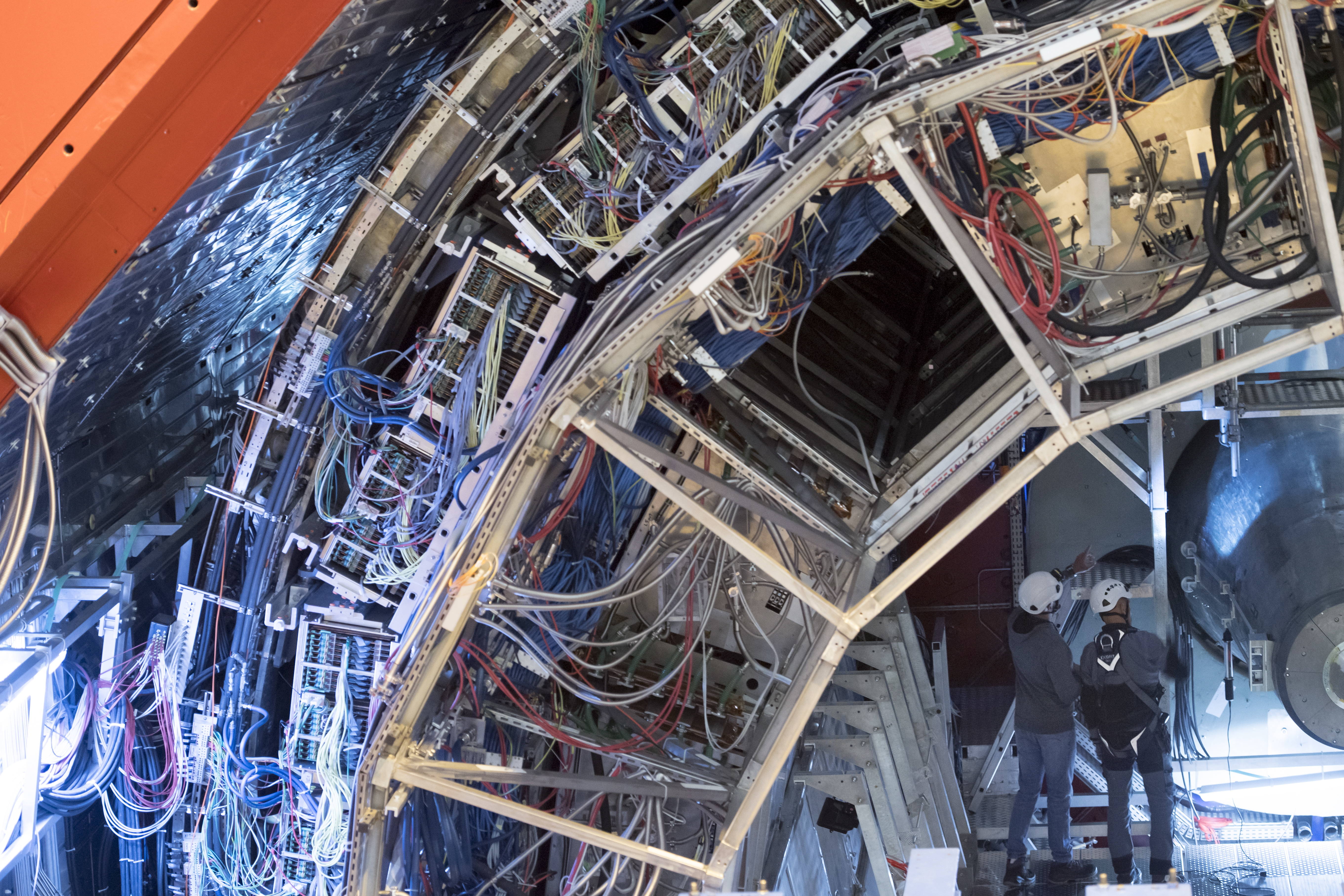
POLISH REVERSE ENGINEERING
He explains that disabling FT0 would paralyse the entire FIT system and make ALICE unable to collect data. The Polish ALICE-PL consortium, led by the Institute of Nuclear Physics of the Polish Academy of Sciences, the AGH University of Science and Technology and the Warsaw University of Technology, moved to secure the system.
“We reverse engineered it: we understood the mechanisms of operation of the FT0 detector, recreated the source codes, prepared documentation and acquired know-how. We have even managed to produce working clones of systems that we can modify. They work - and we know exactly what they do. From mid-February, we plan to test the operation of the new electronics,” Rosłon says.
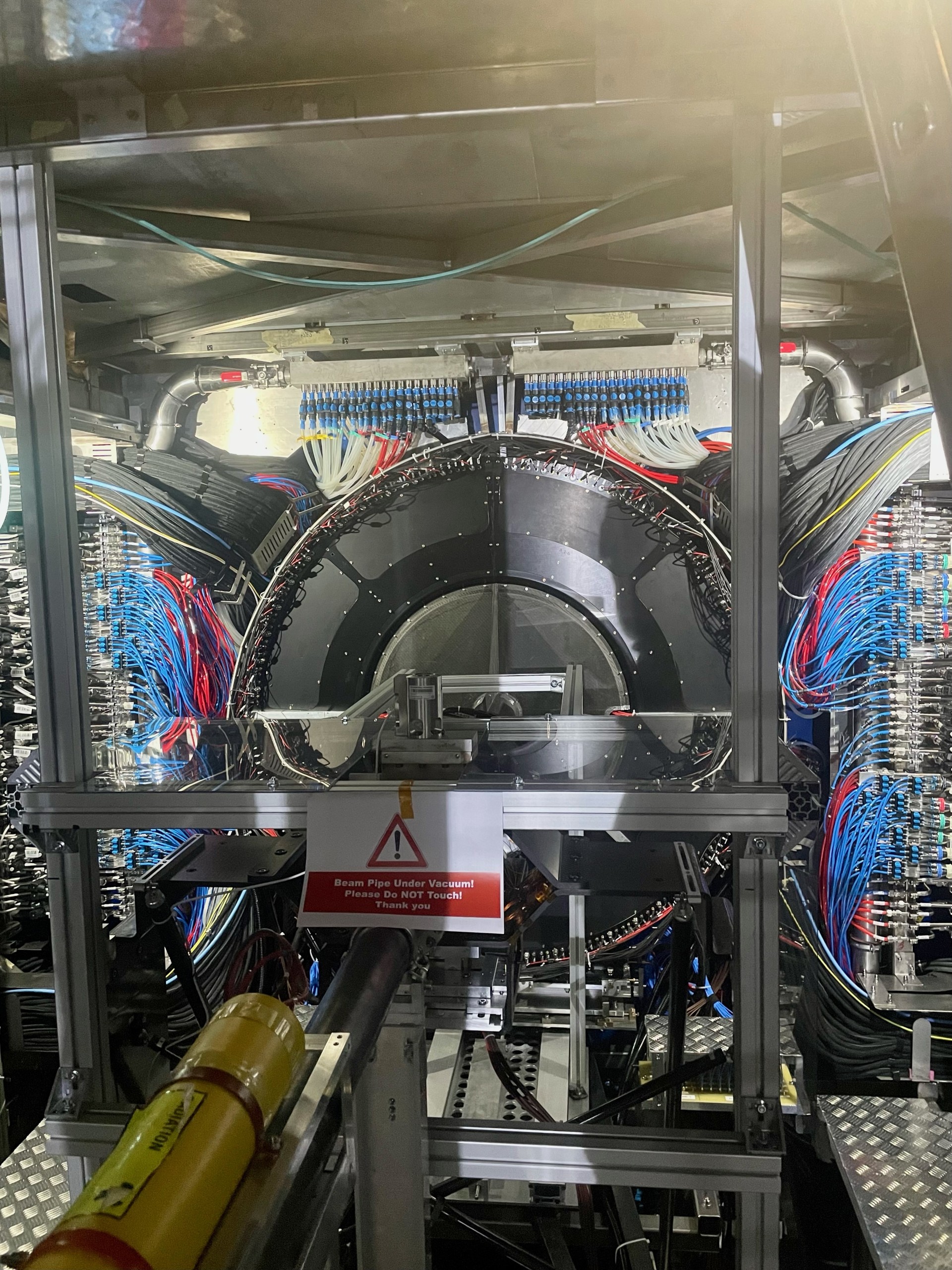
Polish researchers are also developing a new Forward Detector that will combine the functions of the current FIT system. Its commissioning is scheduled for LHC Run 5, planned for 2036–2041.
Ludwika Tomala (PAP)
lt/ zan/
tr. RL