
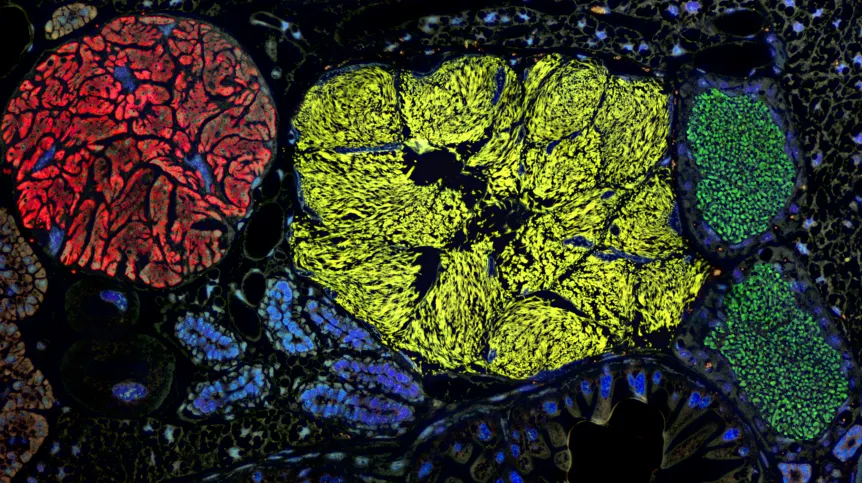
Polish researchers have discovered and described the smallest bacterial genomes ever identified, containing just over 60 protein-coding genes - roughly 1% of a typical bacterial genome - placing these microorganisms at the edge of cellular life.
The team, composed of biologists from the Faculty of Biology at Jagiellonian University (Anna Michalik, PhD, Diego Castillo Franco, PhD, Junchen Deng, PhD, Monika Prus-Frankowska, Piotr Łukasik, PhD) and the Museum and Institute of Zoology of the Polish Academy of Sciences (Adam Stroiński, PhD), focused on two bacterial species: Candidatus Sulcia muelleri and Candidatus Vidania fulgoroidea.
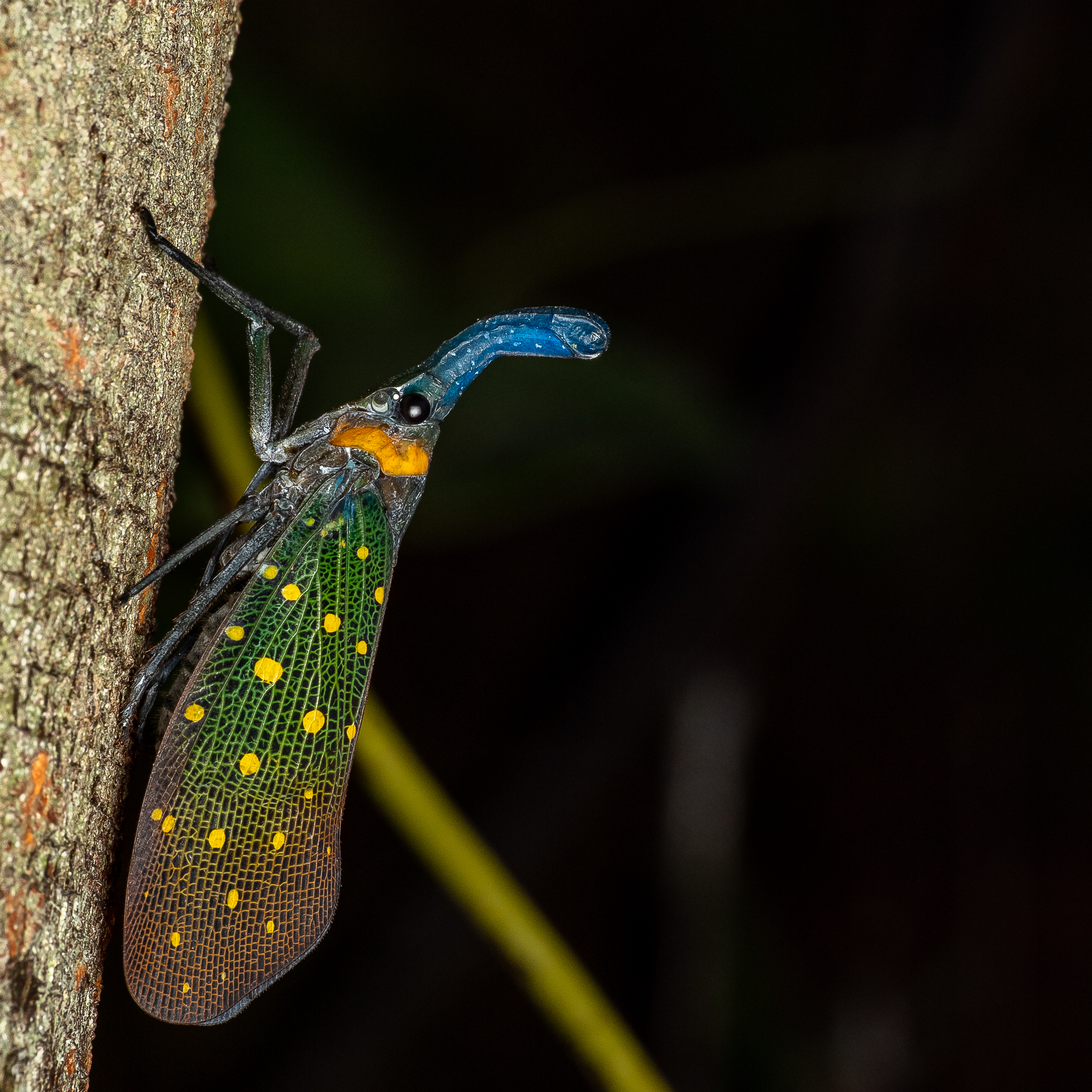
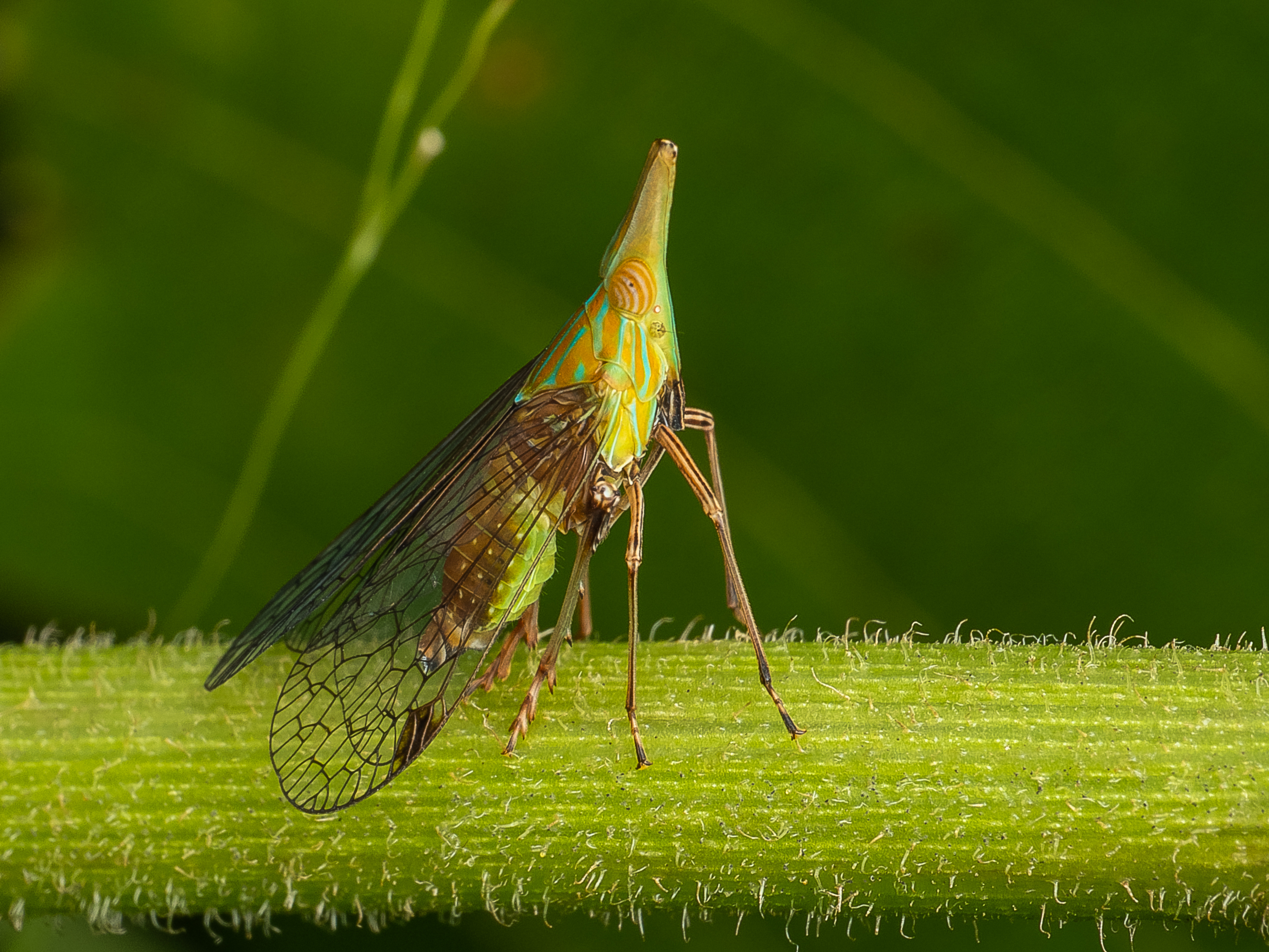
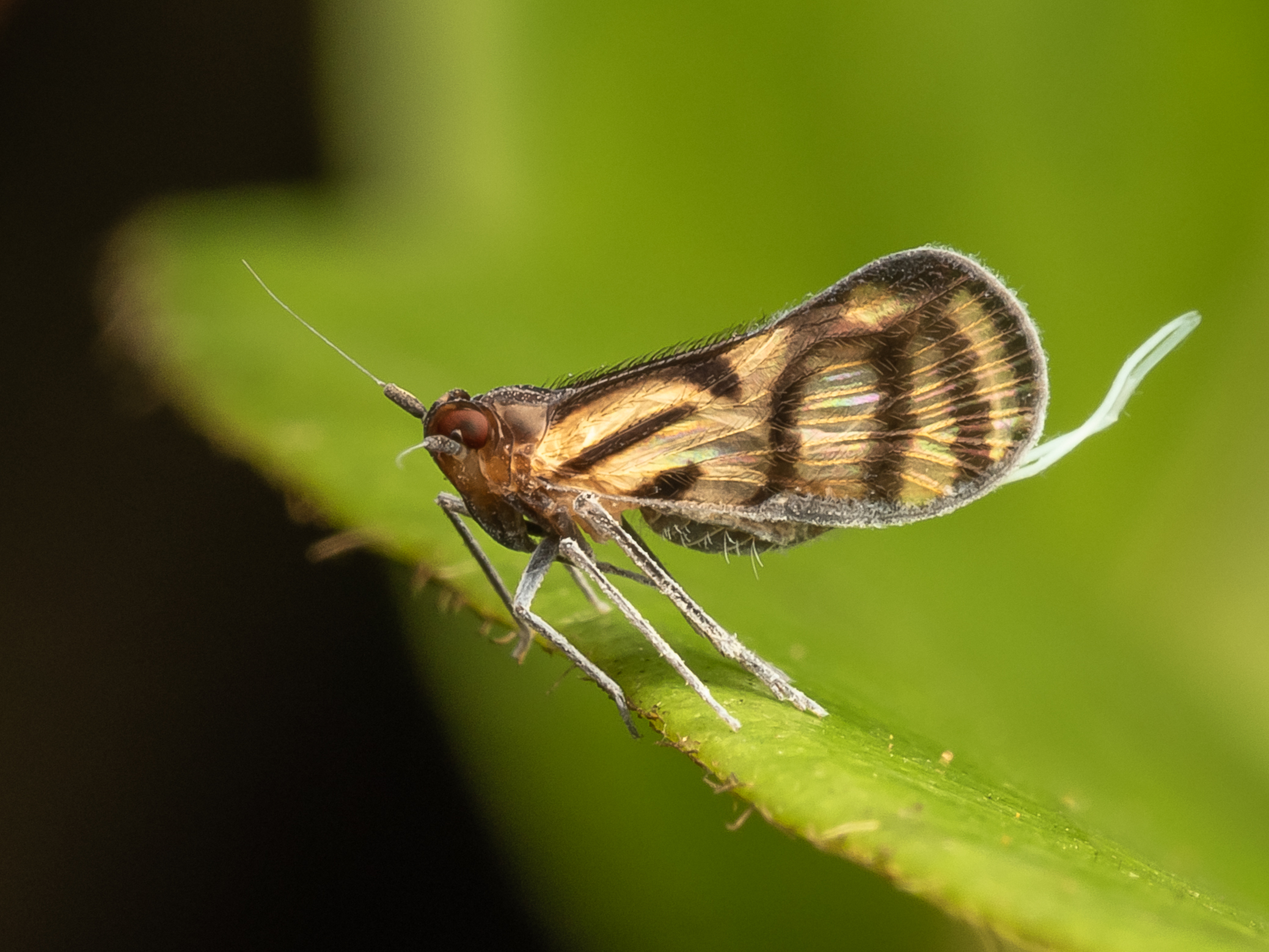
Both live in obligate symbiosis with insects from the planthopper group (Fulgoromorpha), a phyllum of Hemiptera.
“For over 260 million years, planthoppers and bacteria have formed stable, obligatory relationships: the bacteria supplement the insects' meagre diet with essential amino acids and, in return, gain a stable living environment within the host,” the researchers said in a press release to the Polish Press Agency (PAP).
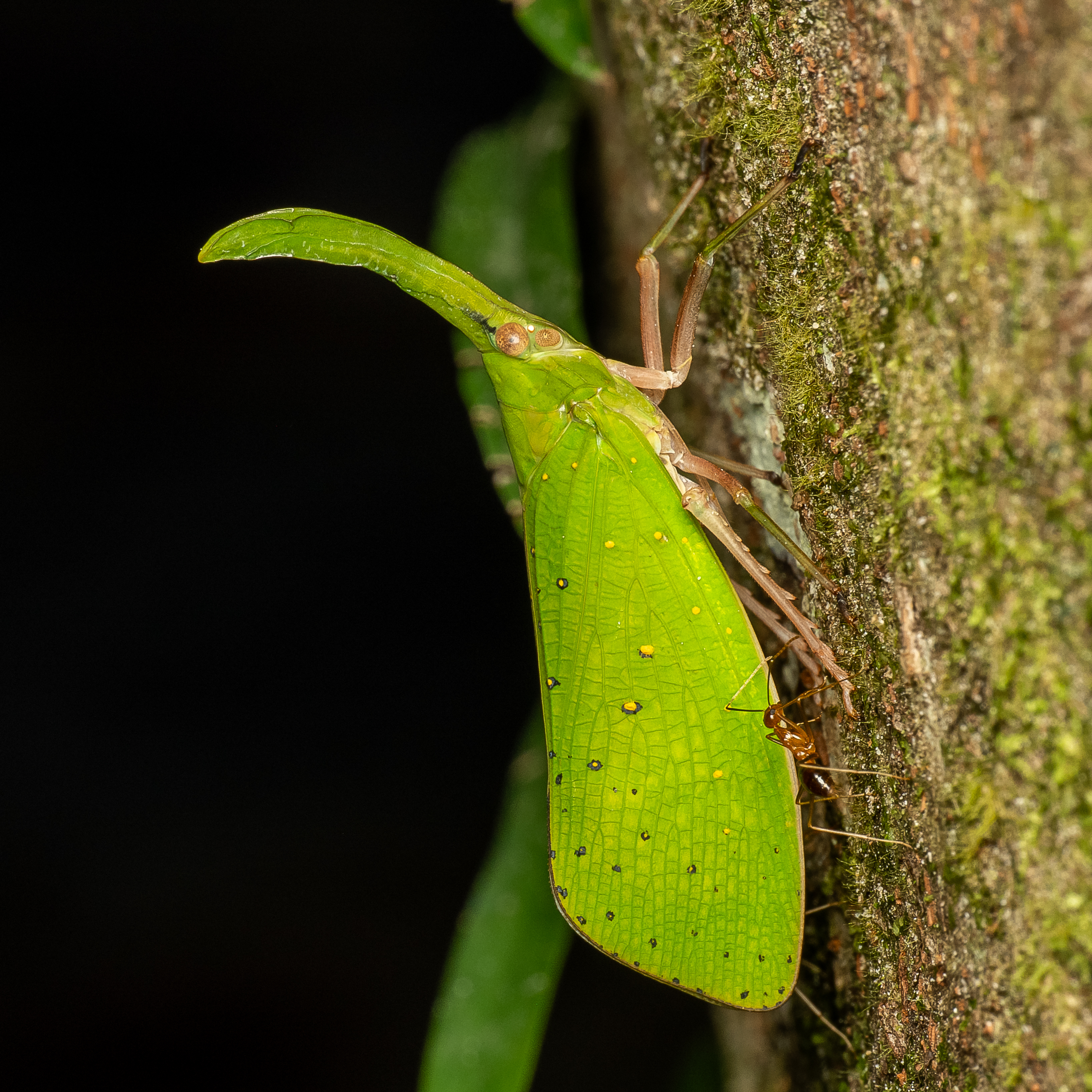
Over time, the bacteria gradually lost the ability to survive independently outside the insect host, resulting in record-breaking genome reductions.
“The size of genome, that is, the amount of DNA and the number of genes, determines the range of functions which the body can independently perform. In most bacteria, the genomes consist of several thousand genes and allow for a relatively independent existence in a changeable environment, whereas bacteria living in a close symbiosis with insects (...) can function with a much lower number of genes, which results in the loss of their own metabolic capabilities and thus their complete dependence on the host insect, which provides them with key proteins and enables them to perform their vital functions,” the scientists said.
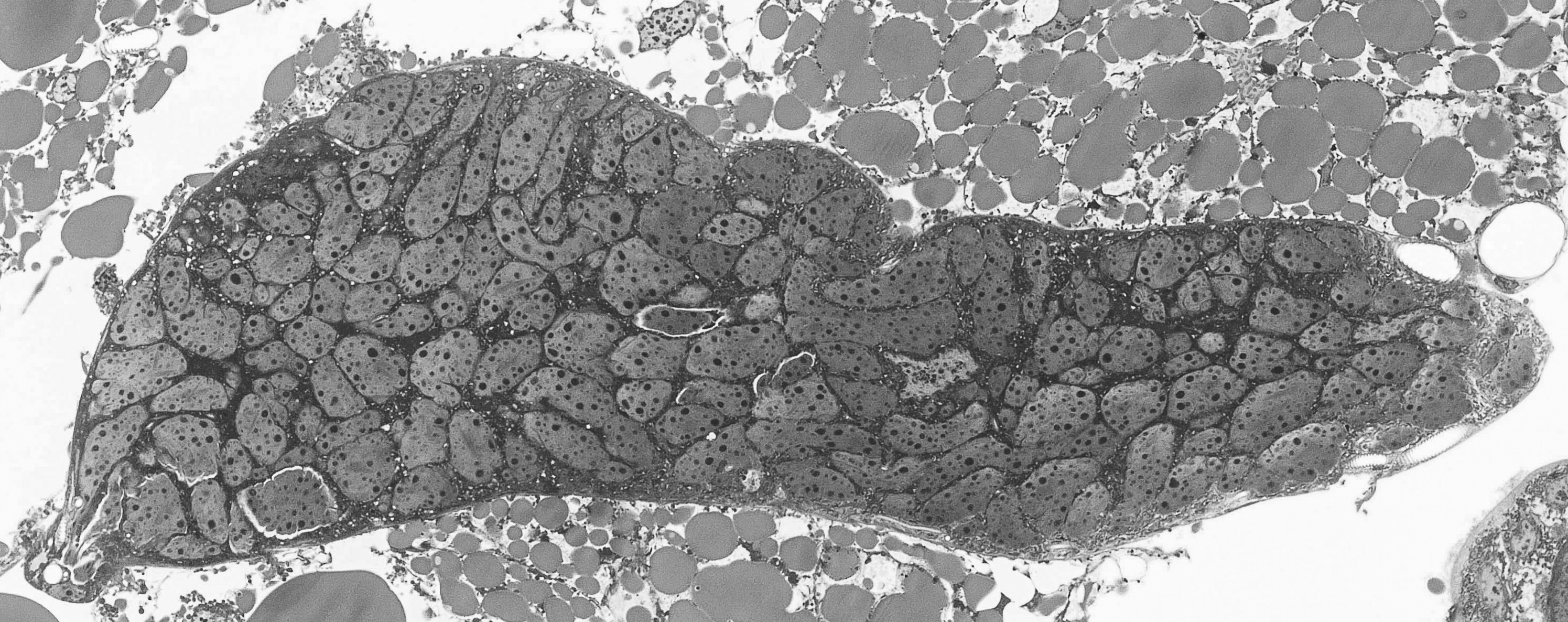
The study published in Nature Communications shows that symbiont genomes have been reduced to the most conserved set of genes, sufficient only for producing amino acids, processing genetic information, and carrying out basic metabolic processes.
For example, some Vidania strains retain the ability to biosynthesize only one amino acid, phenylalanine, which is essential for the insect’s cuticle structure and hardening. Genes related to metabolism and genetic information processing are similarly minimized.
“What is important, is that the thus reduced and very similar genomes have evolved independently in various host lineages, which points to the existence of strong evolutionary constraints and repeatability of the process,” the authors wrote.
The researchers note that these symbionts are on the verge of independent cellular life and, in many respects, resemble organelles such as mitochondria and chloroplasts, which also originated from ancient bacteria.
The smallest genome identified in the study contained only 50–52 thousand base pairs of DNA and just over 60 protein-coding genes, smaller even than chloroplast genomes, which typically contain 120–160 thousand base pairs.

According to the authors, the findings provide insights into the minimal functions necessary for a cell to exist, informing studies of the origins of life on Earth and its potential forms elsewhere in the Universe.

The work also has implications for synthetic biology and biotechnology, where researchers aim to design cells with simplified genomes for applications in medicine, agriculture, and industry.
“Finally, the research highlights the role of relation and interdependence in nature. It shows that evolution does not always lead to greater complexity and independence, but often to deep specialisation and cooperation. The understanding of these systems can also contribute to protecting biodiversity and stability of ecosystems, where even microscopic organisms play key, though unobvious and inconspicuous, roles,” the researchers said.
PAP - Science in Poland, Katarzyna Czechowicz
kap/ zan/
tr. RL