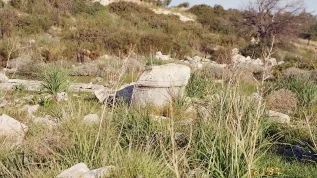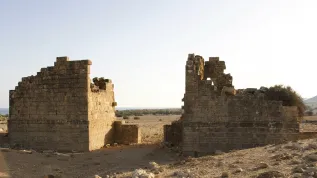
Archaeologists have discovered traces of the medieval town of Stolzenberg near the settlement of Zagrody close to Sławoborze in north-western Poland. The town was likely founded in the second half of the 13th century or at the beginning of the 14th century and existed only briefly before being abandoned under unknown circumstances.
The first written records mentioning Stolzenberg date to the 16th century. Now, archaeologists from Poland’s Relicta Foundation also found references in 19th-century German literature describing the remains of a deserted town near Sławoborze.
According to those accounts, traces of fortifications were still visible and local field names included Alt Stadt (Old Town) and Hospital.
The first archaeological evidence confirming medieval activity at the site was obtained during preliminary metal detector surveys conducted in 2020 and 2021. Researchers, supported by the Parsęta Exploration and Search Group from Kołobrzeg, discovered more than 400 metal artefacts dating from the late 13th to the 15th century.
The finds included tools, clothing elements such as belt fittings and brooches, and coins. Among them were medieval bracteates from Strzałowo and Szczecin, as well as a denarius issued by Barnim II.
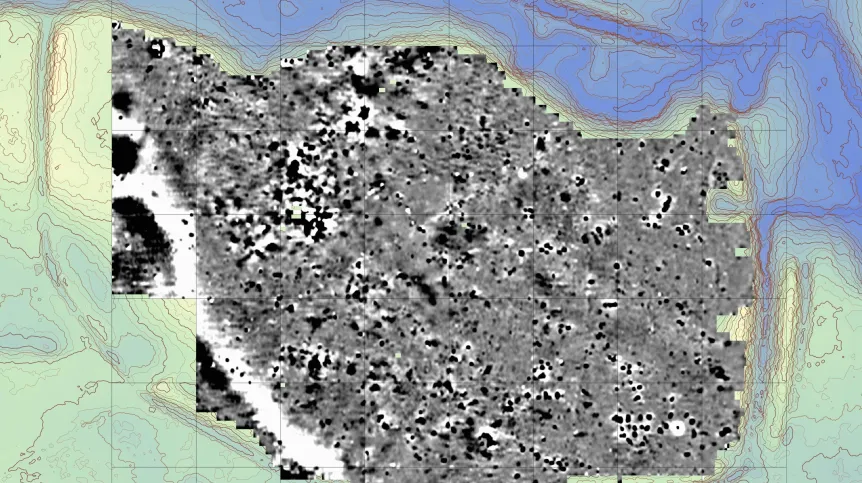
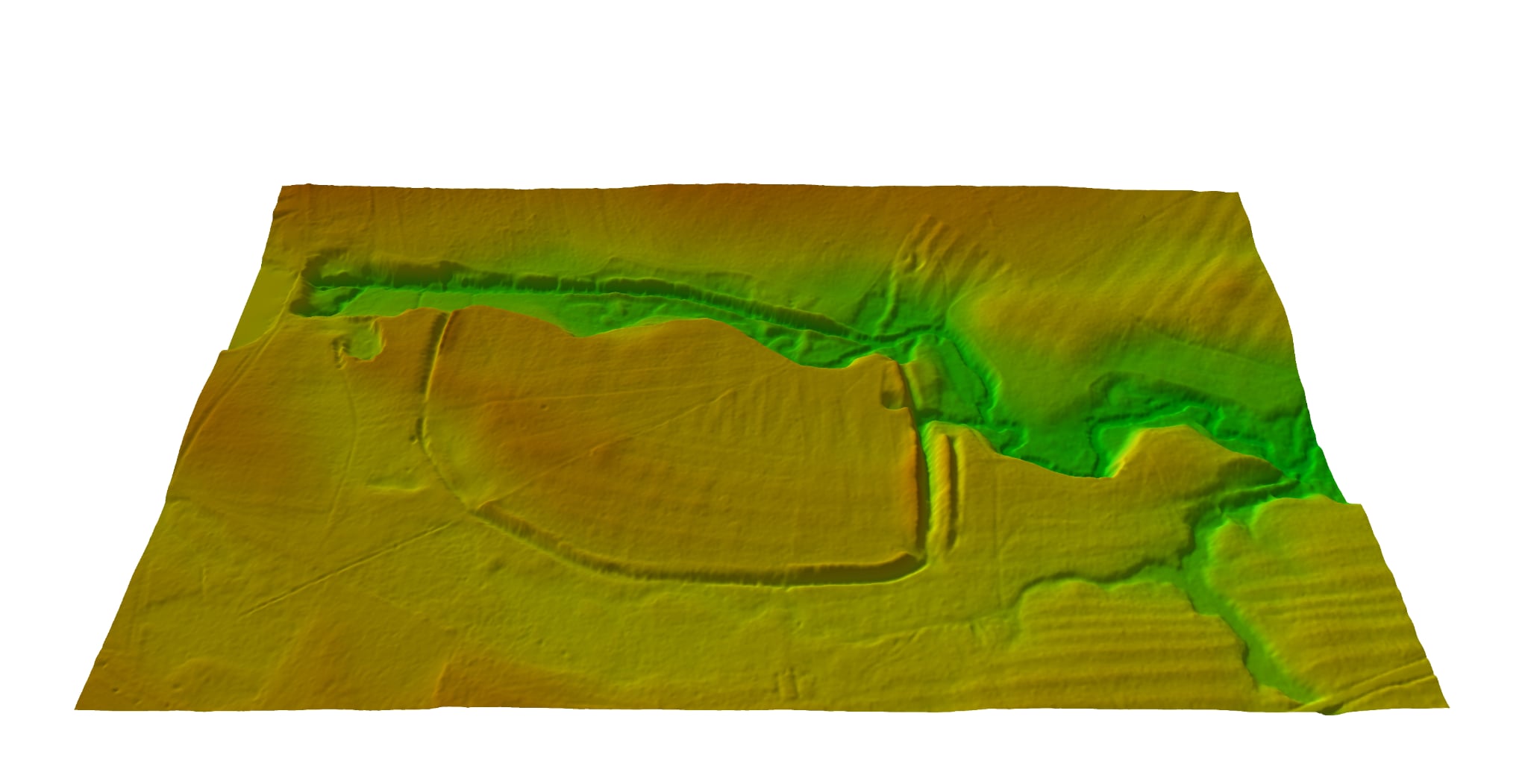
Further work carried out in 2025 included geophysical analyses, LiDAR drone scanning and geological drilling. The results confirmed that the remains of a forgotten medieval town are preserved in forests near the Zagrody settlement.
Researchers also managed to identify the layout of the settlement.
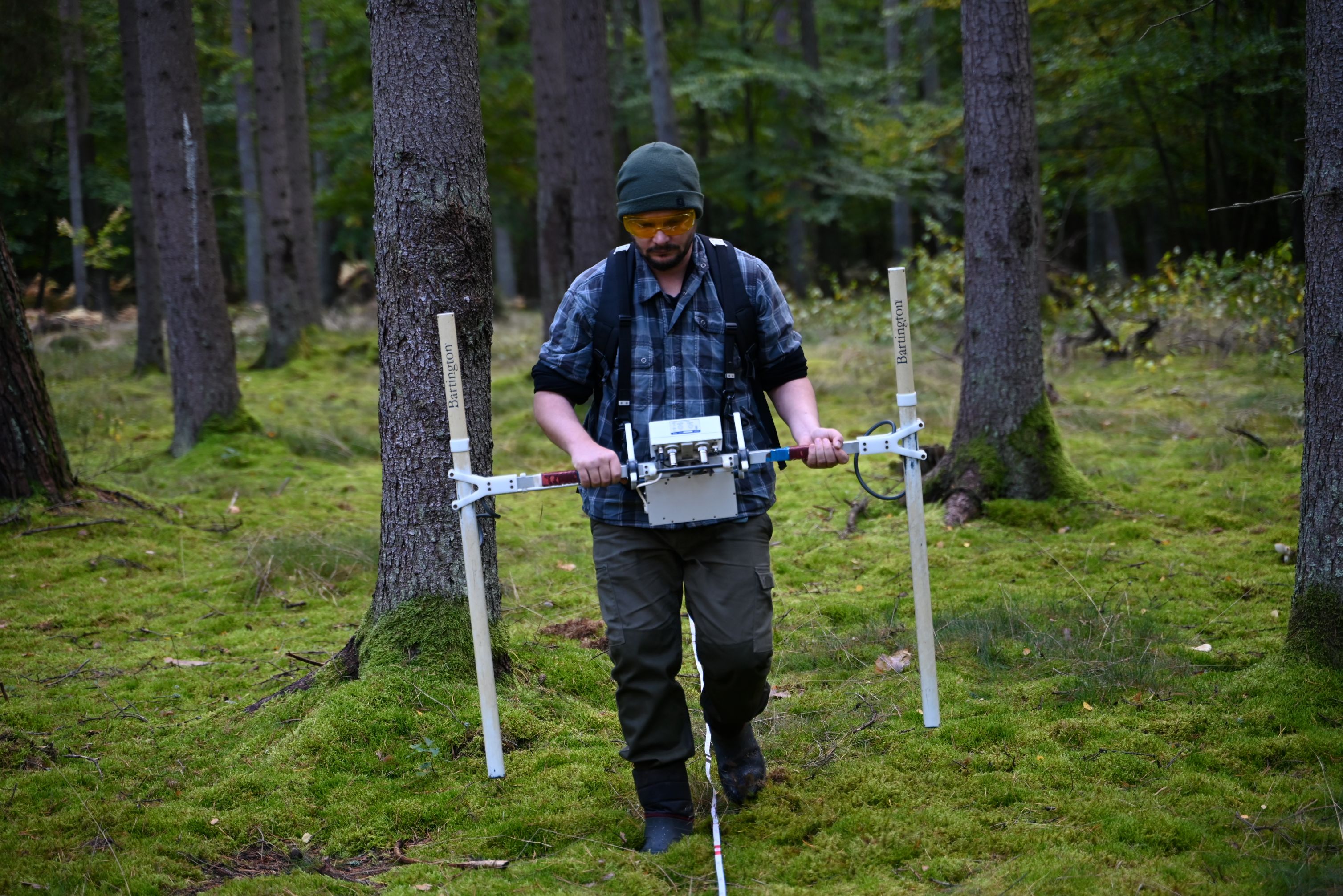
“In an area of approximately six hectares, surrounded by a rampart and moat, we detected over 1,500 anomalies, unusual terrain features, suggesting the presence of buried structures, such as ancient buildings. Drilling confirmed the presence of such layers, exceeding two meters in depth. Some of them form a regular layout characteristic of towns founded under German law. In the central part, a probable market square is visible, surrounded by burgher plots, only some of which have been built on, as well as the course of the main street leading to the town gate,” said Piotr Wroniecki from the Relicta Foundation.
Because the area has remained forested and largely undeveloped, the town’s earthwork fortifications have been preserved in very good condition. The moat surrounding the settlement is still about 5.5 metres deep.
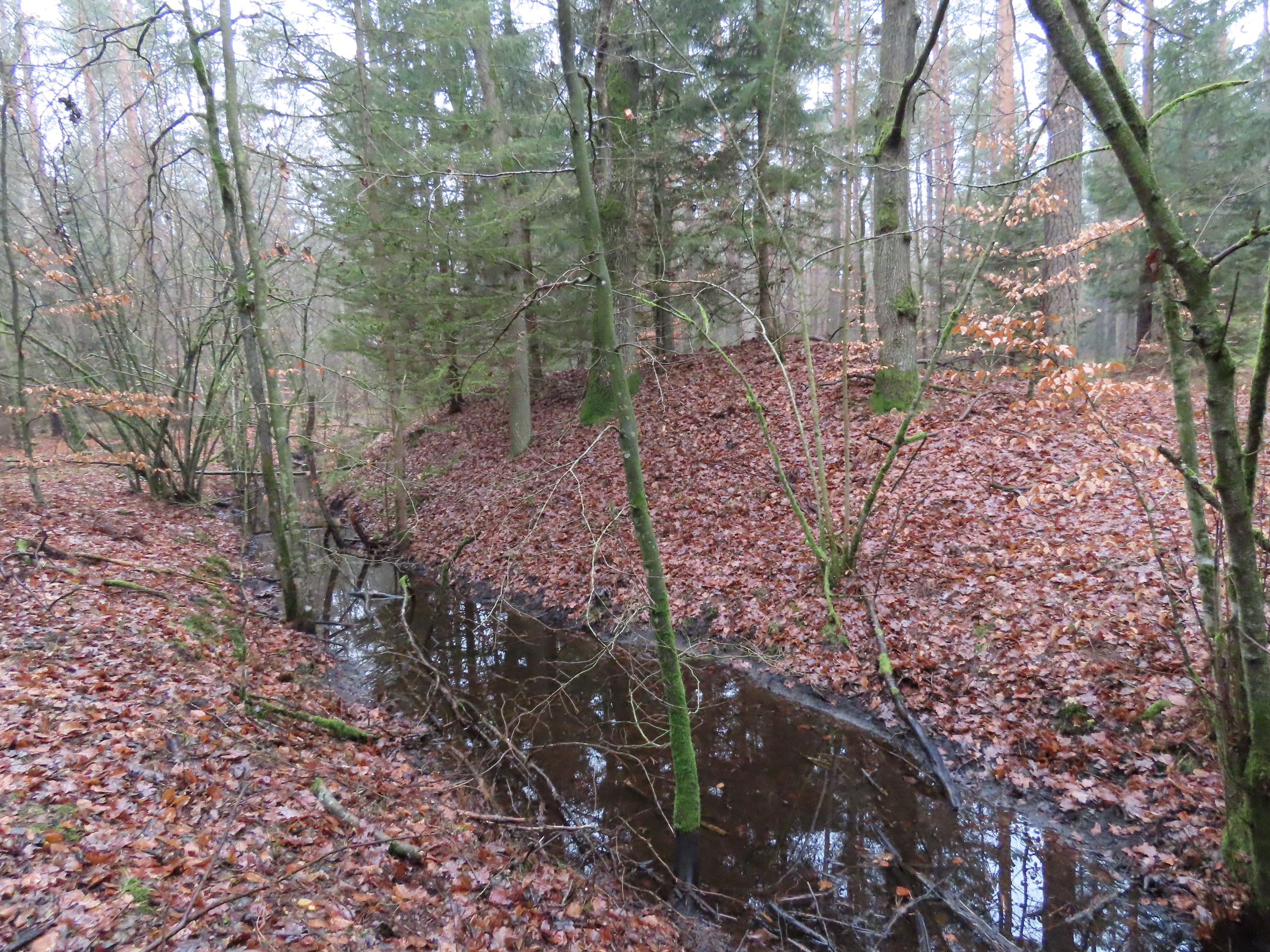
Initial radiocarbon dating of organic material indicates that the town existed as early as the first decades of the 14th century. Archaeologists believe it was likely founded in the late 13th or early 14th century.
Due to its location, however, it is difficult to determine who initiated the foundation of the settlement. Researchers consider the Margraves of Brandenburg, who controlled nearby Neumark, as the most probable founders, possibly establishing Stolzenberg as a frontier town. The involvement of the Bishops of Kamień is considered somewhat less likely.
Historical sources and early maps suggest that Stolzenberg functioned as a town only for a short period before being abandoned.
“We cannot say what its population was and why the town was abandoned. Usually, more than one factor determines a town's decline, its degradation to a village, or its relocation. Sometimes it happens due to natural causes, such as floods, or changes in transportation routes, reduced activity in a given town, leading to the decline of trade and crafts, and the impoverishment of the town. Sometimes, of course, the causes are military events, wars, or invasions. Our work has revealed a general picture of the town, but survey research would be necessary to determine the causes of its decline,” said Marcin Krzepkowski from the Relicta Foundation.
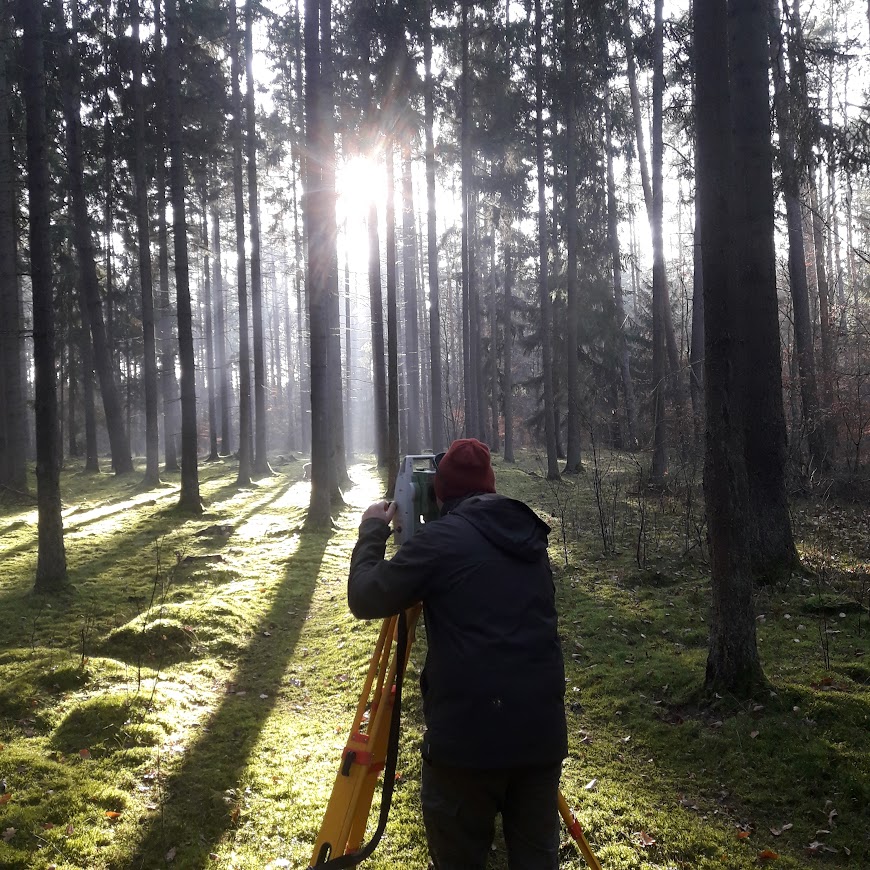
The research was carried out in 2025 by the Relicta Foundation as part of a project co-financed by the Polish Ministry of Culture and National Heritage.
Further non-invasive and natural science studies, as well as survey excavations, are planned for future seasons.
“We plan to determine when exactly the town was founded and clarify the circumstances under which it became depopulated. It is crucial to determine the location of the church and cemetery, which were first mentioned in 1291. This information will tell us more about the layout of the buildings. We want to interest our partners, the Świdwin Forest District and the Sławoborze Commune, in participating in the costs of researching this unique site,” Krzepkowski said.
Ewelina Krajczyńska-Wujec (PAP)
ekr/ zan/
tr. RL