Polish archaeologists in Peru have identified remains of Peruvian hairless dogs dating back about 1,300 years, including evidence suggesting the animals received special care and were fed similarly to children during puppyhood.
The findings come from research conducted at the Castillo de Huarmey necropolis on Peru’s northern coast, a site linked to the Wari culture, which flourished more than 1,300 years ago and influenced later Andean civilizations, including the Incas.
Researchers from the University of Warsaw, led by Professor Miłosz Giersz, began excavations at the site in 2010. Their work uncovered a royal mausoleum containing richly furnished elite burials alongside textiles, pottery, ornaments and animal remains, including dogs.

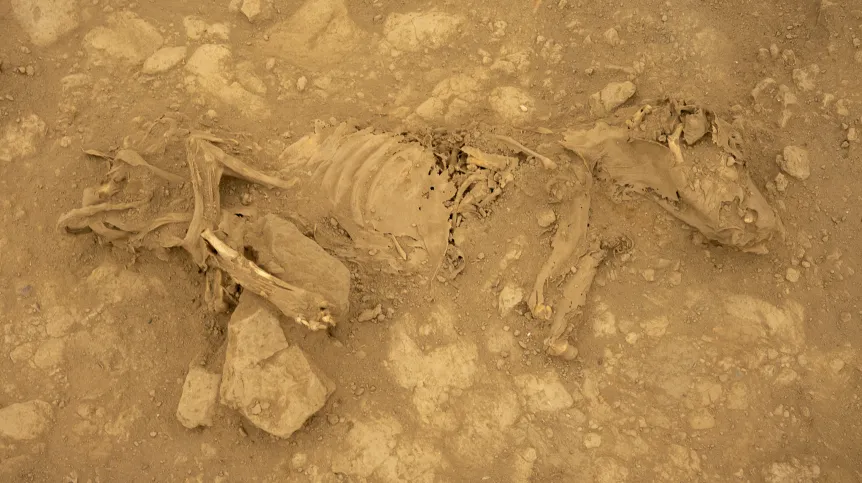
Archaeologists identified the remains of at least 20 dogs, including adult animals and puppies only weeks old. The remains were found throughout the site and included partially preserved skeletons and naturally mummified animals.
An international research team from Dartmouth College, the University of Warsaw and the University of Pittsburgh combined traditional zooarchaeological analysis with isotope studies to examine the dogs’ diets, mobility and origins. The results were published in the Journal of Anthropological Archaeology.
The study found that some dogs lived closely with humans and were cared for, while others may have accompanied llama herds or trade caravans. Some likely survived by scavenging waste near settlements.
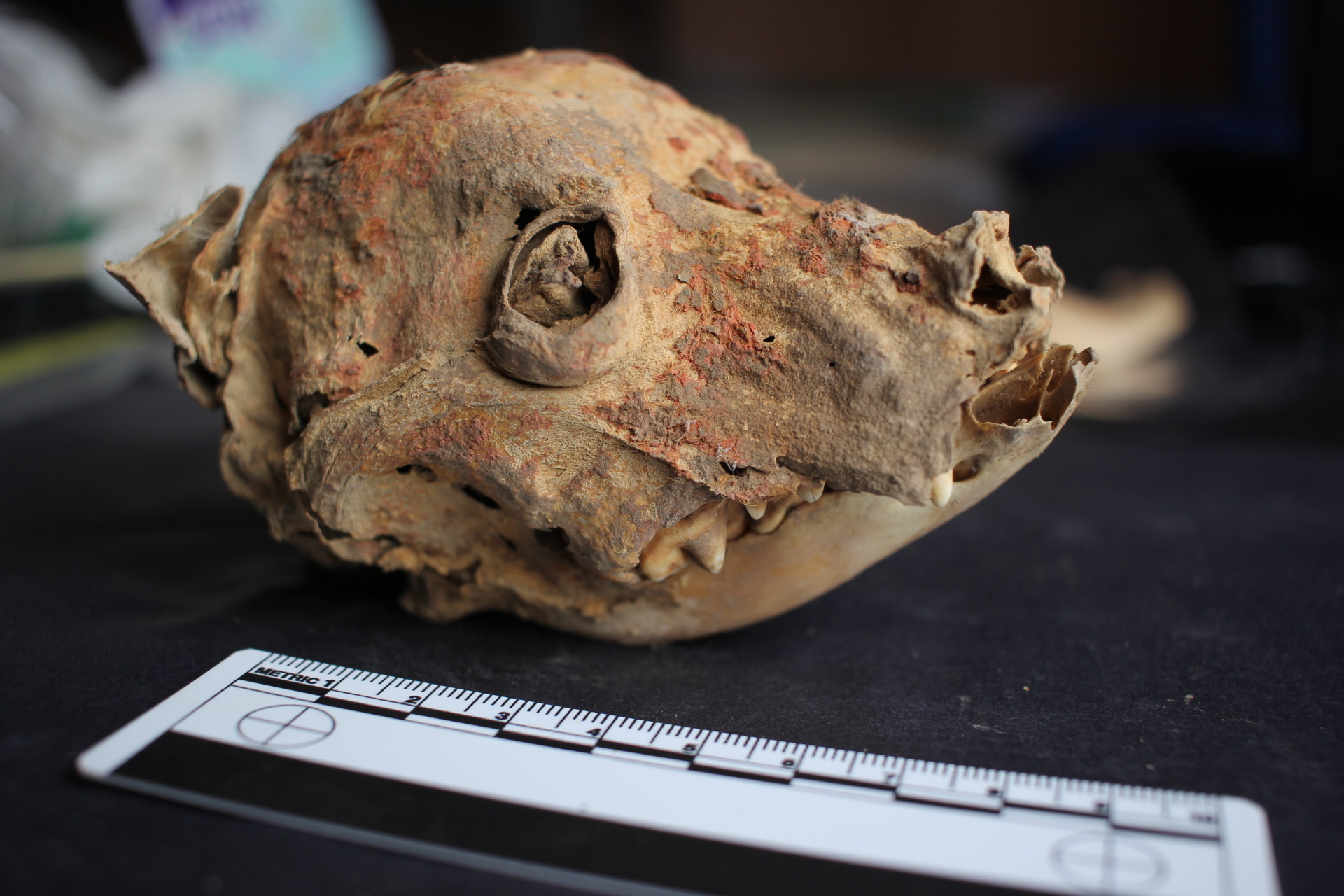
Researchers also identified remains believed to belong to Peruvian hairless dogs, with the oldest examples dated to between 688 and 870 CE.
“This unusual breed, known for its almost complete lack of hair, is now considered part of Peru's cultural heritage. Hairless dogs were depicted on ceramics around two thousand years ago,” said Weronika Tomczyk, the study’s lead author and a researcher at Dartmouth College.
Scientists identified the breed partly through a genetic mutation associated with hairlessness and missing teeth. Several dogs from Castillo de Huarmey displayed the distinctive dental pattern linked to the breed.
Microscopic analysis of preserved skin fragments from one naturally mummified dog confirmed the animal had very little hair.
According to Tomczyk, isotope analysis showed that young hairless dogs consumed food similar to that eaten by children, suggesting they received special treatment from humans. In Andean cultures, hairless dogs were also believed to possess medicinal properties, with their body heat thought to relieve pain and illness.
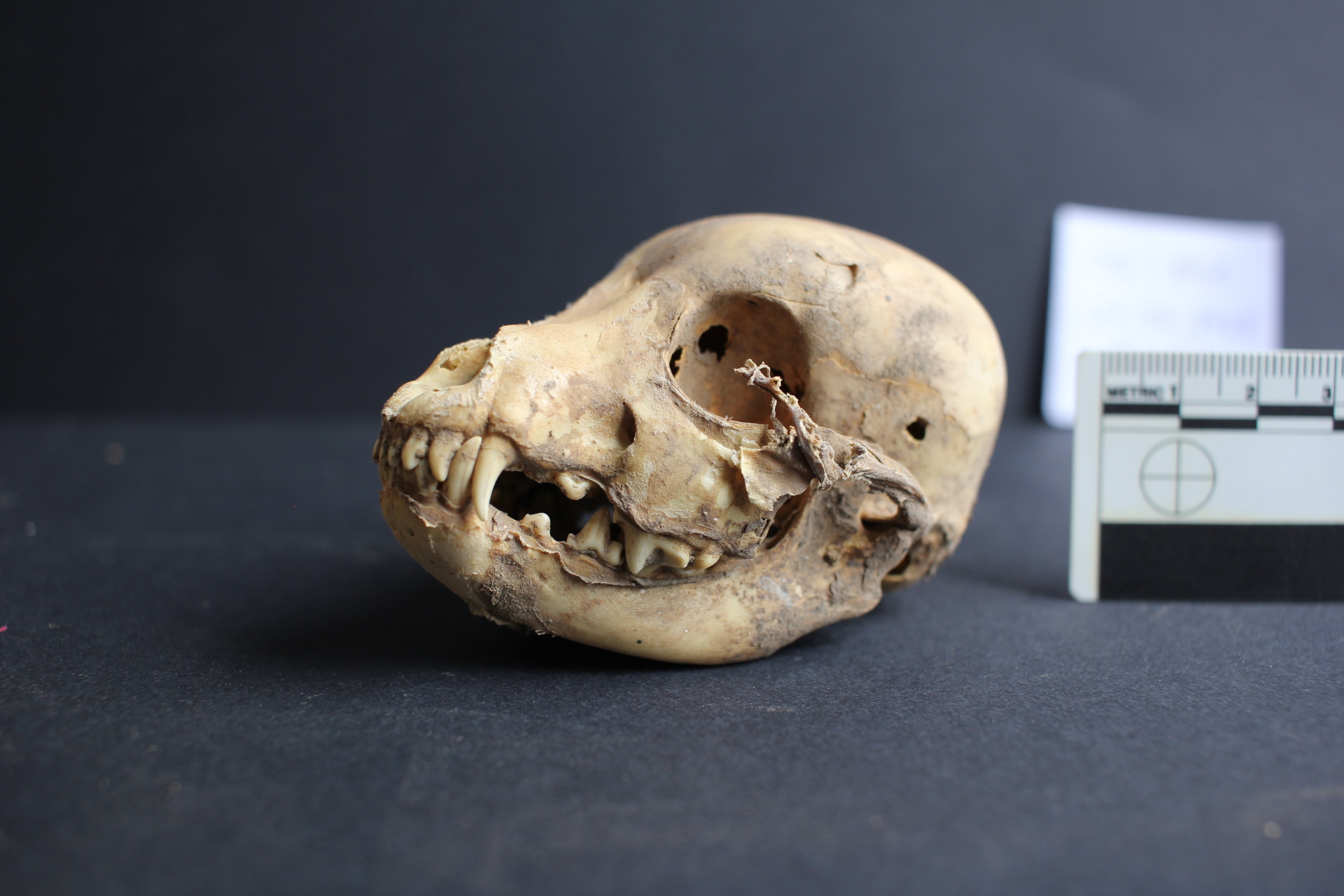
Not all dogs at the site appear to have been household animals. Researchers said some likely lived near humans while feeding on discarded food scraps.
Most of the dogs studied consumed diets similar to those of humans, including large amounts of corn or meat from corn-fed animals. Elevated nitrogen levels in the remains also indicated the animals ate animal protein, possibly leftover fish or meat.
One dog stood out because its diet resembled that of llamas and alpacas.
In Andean societies, transportation relied heavily on llamas and human porters. Researchers said the animal may have traveled with herds during seasonal migrations or accompanied trade caravans, potentially helping guard livestock or warn of predators.
Several dogs were buried alongside humans at the site. One puppy was interred next to a highly regarded craftsman, another near the grave of a man believed to have guarded the mausoleum, and an adult dog was buried with a teenage child.
Researchers said the placement of the animals in the burials was unlikely to have been accidental.
“Such findings suggest that dogs may have played a symbolic and ritual role. In Andean cultures, there was a belief that dogs helped the souls of the deceased pass on to the world of the dead. Black dogs were particularly important, they were considered guides between the world of the living and the world of the dead,” Tomczyk said.
Nauka w Polsce, Ewelina Krajczyńska-Wujec (PAP)
ekr/ zan/
tr. RL