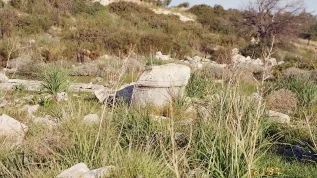
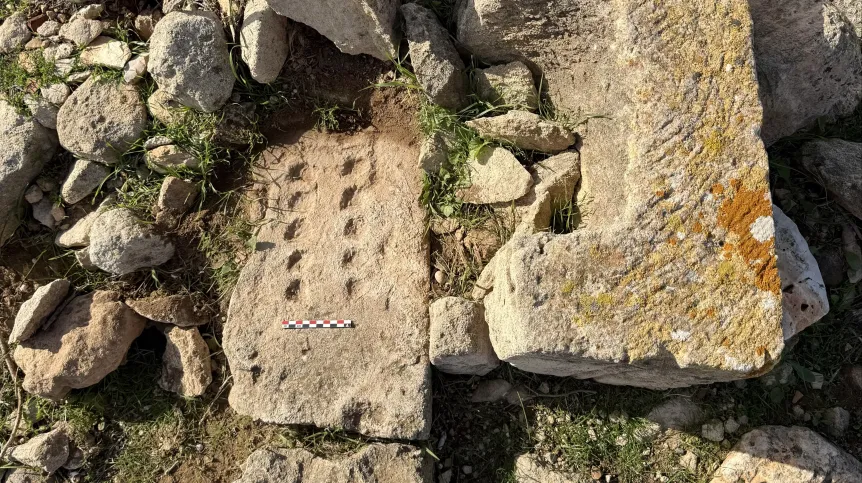
Archaeologists working in the ancient Libyan city of Ptolemais have uncovered more than 100 carved game boards on ruined stone walls and blocks, evidence that generations of shepherds likely passed the time playing games similar to checkers and tic-tac-toe while grazing animals.
The discoveries were made during renewed excavations at Ptolemais, one of the largest ancient Greek cities in Cyrenaica, in present-day northeastern Libya. Researchers from the University of Warsaw resumed work at the site in 2023 after a break of more than a decade caused by the Libyan civil war.
“Over the centuries, shepherds would rack their brains on them, spending their animal grazing time playing games resembling checkers or tic-tac-toe,” Zofia Kowarska, an archaeologist with the Faculty of Archaeology at the University of Warsaw, told PAP.
Kowarska, known on social media as Archaeologist Zosia, has been cataloguing boards used for the traditional game seega, or sija, which has variants across Africa and the Middle East, including forms related to mancala.
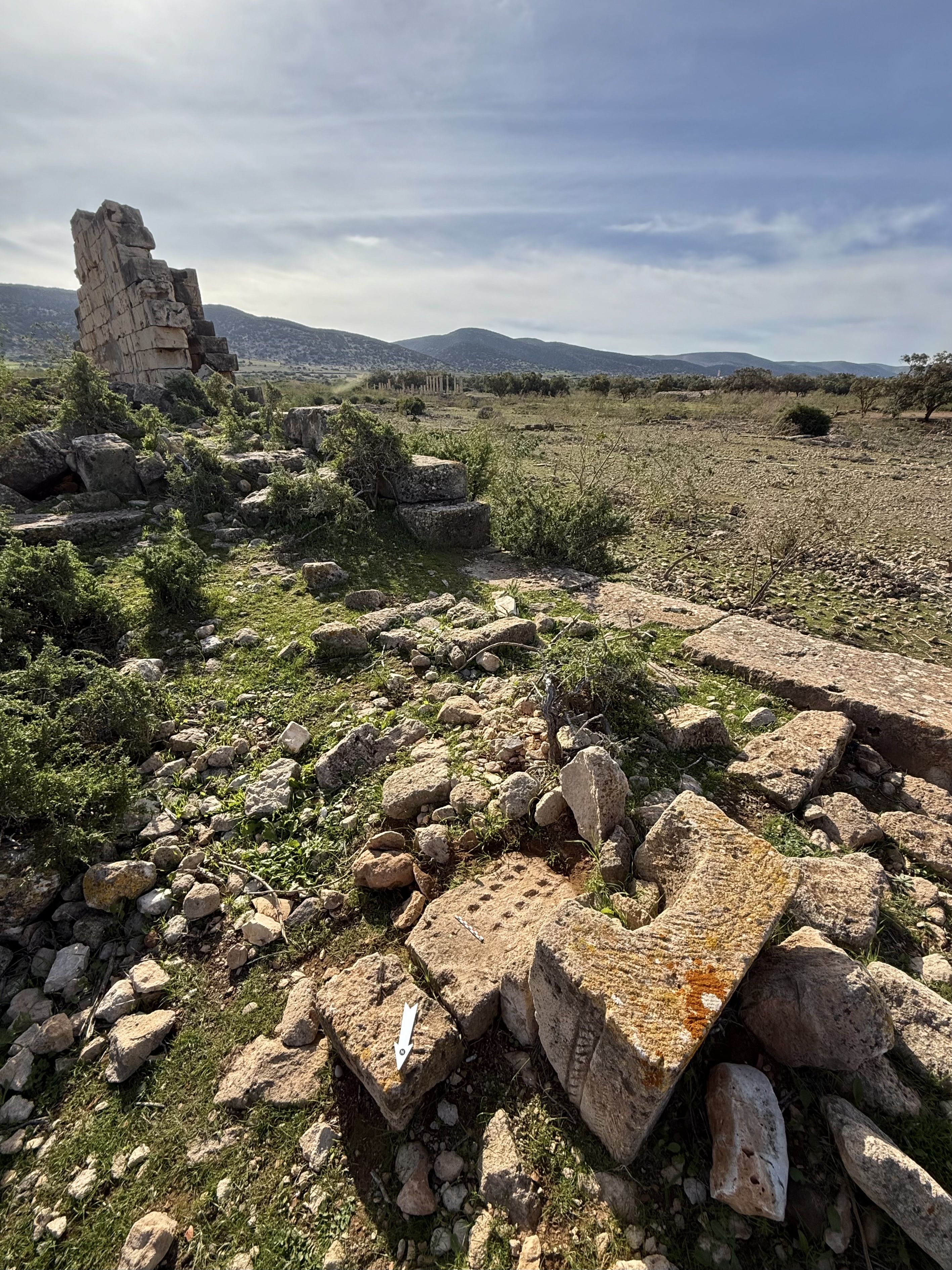
“When I began my research, I thought I would find only a few copies of boards, but after a few days I had over 100, and this is not the end, as we will continue our research. The boards carved on the ruins suggest that these games were a fairly common pastime. Sometimes we find a dozen, even twenty, or thirty boards next to each other in one place,” she said.
The boards consist of small circular grooves arranged in square or rectangular patterns. Common layouts include three-by-three, five-by-five, six-by-six and seven-by-seven grids, as well as rectangular four-by-six patterns. The carvings range from about 15 centimetres to several dozen centimetres across.
Researchers believe the boards were carved after the ancient city had already fallen into ruin. Many are located on elevated sections of buildings and corners overlooking open land.
“The site of the ancient city is undeveloped and surrounded by vast areas that have always been excellent grazing grounds for goats and sheep. We find boards on the ruins of buildings, which are often located higher than the surrounding terrain, and on the corners of buildings. We believe that people grazing animals would sit in this elevated spots to conveniently observe the terrain and the animals. They spent some time there, while also entertaining themselves with games,” Kowarska said.
She added that some residents of modern-day Tolmeita still remember the rules of the games, although the traditions are fading.
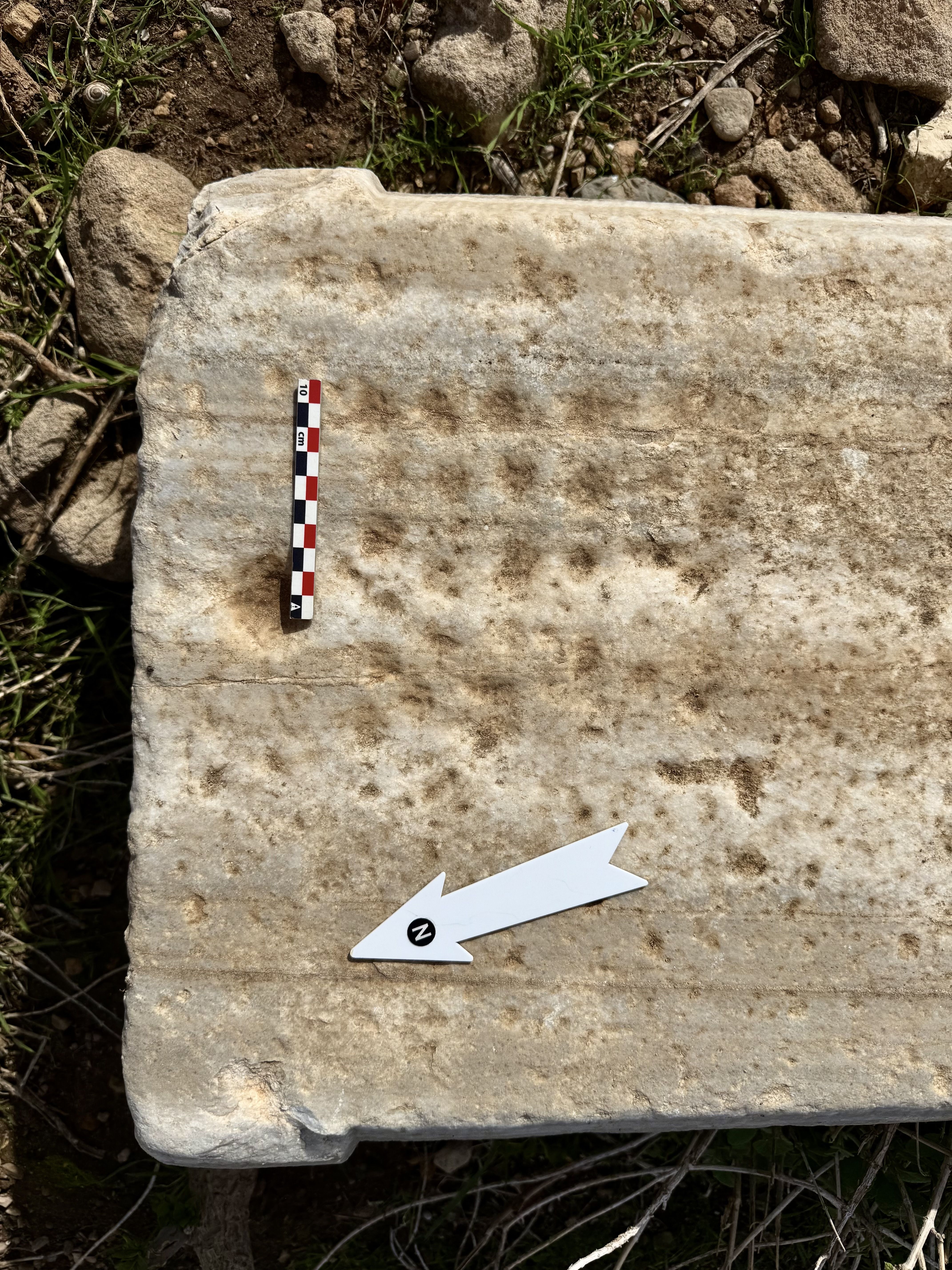
“Games analogical to those found in Ptolemais also exist in North and Central Africa, and the Middle East. A few residents of present-day Tolmeita still know the rules of these games, but unfortunately, they are being forgotten as traditional pastimes fade away and other activities, including mobile gaming, replace them. One of the older residents introduced me to two types of games still played. One, using a nine-square board, is for two players, each with three pieces. The rules are similar to our game of tic-tac-toe. The second game, also for two players, has rules similar to checkers. The goal is to capture the opponent's pieces. Whoever captures the most wins. Anything could be used to play, as long as the pieces were different. You could use stones, pieces of ancient pottery, seeds, glass fragments, or plastic bottle caps,” the archaeologist said.
Ptolemais was founded by Egyptian rulers who controlled Cyrenaica in the late 4th or 3rd century BCE and remained inhabited until the Arab conquest in the 7th century CE. The ruins are located near the modern Libyan town of Tolmeita.
PAP - Science in Poland, Ewelina Krajczyńska-Wujec
ekr/ agt/
tr. RL
Gallery (9 images)
-
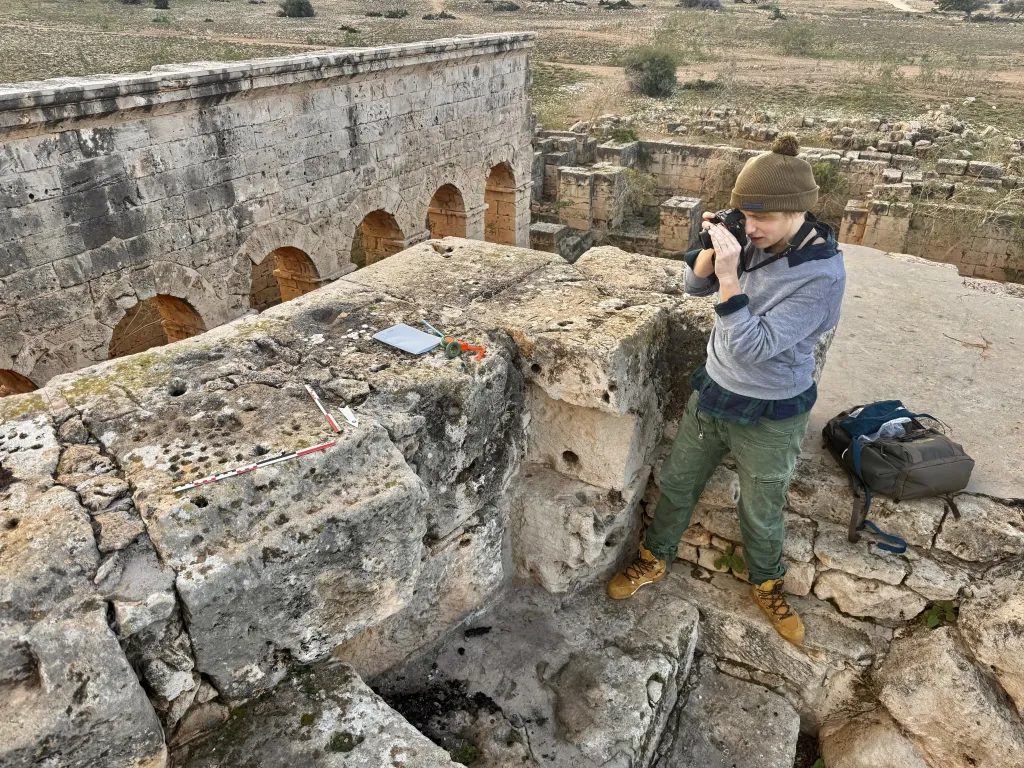 1/9Zofia Kowarska documents game boards found on the walls of the Western Basilica in Ptolemais (credit: Radosław Tusznio)
 -
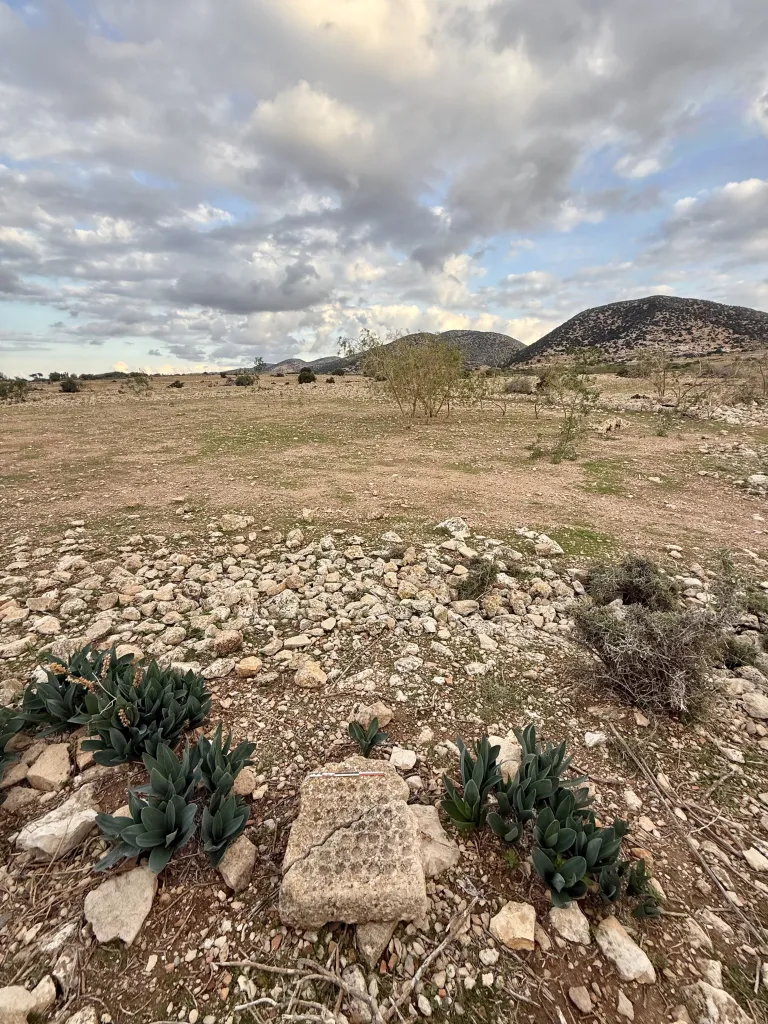 2/9One of the game boards found in the ancient city (credit: Zofia Kowarska)
 -
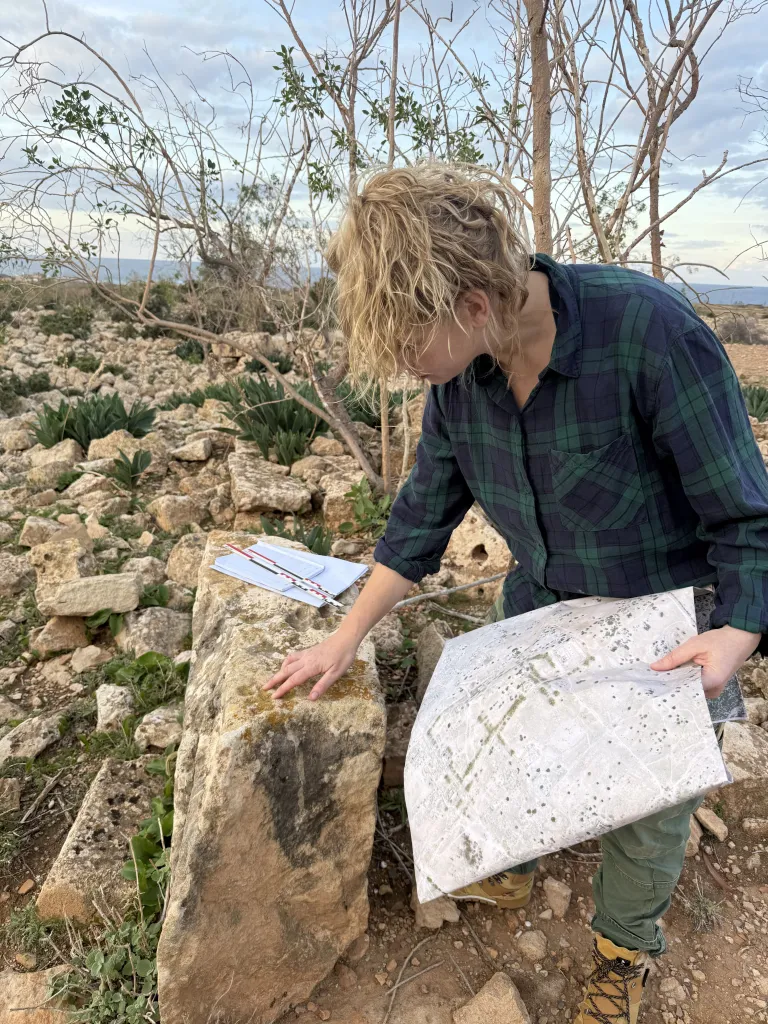 3/9Zofia Kowarska searches for boards (credit: Radosław Tusznio)
 -
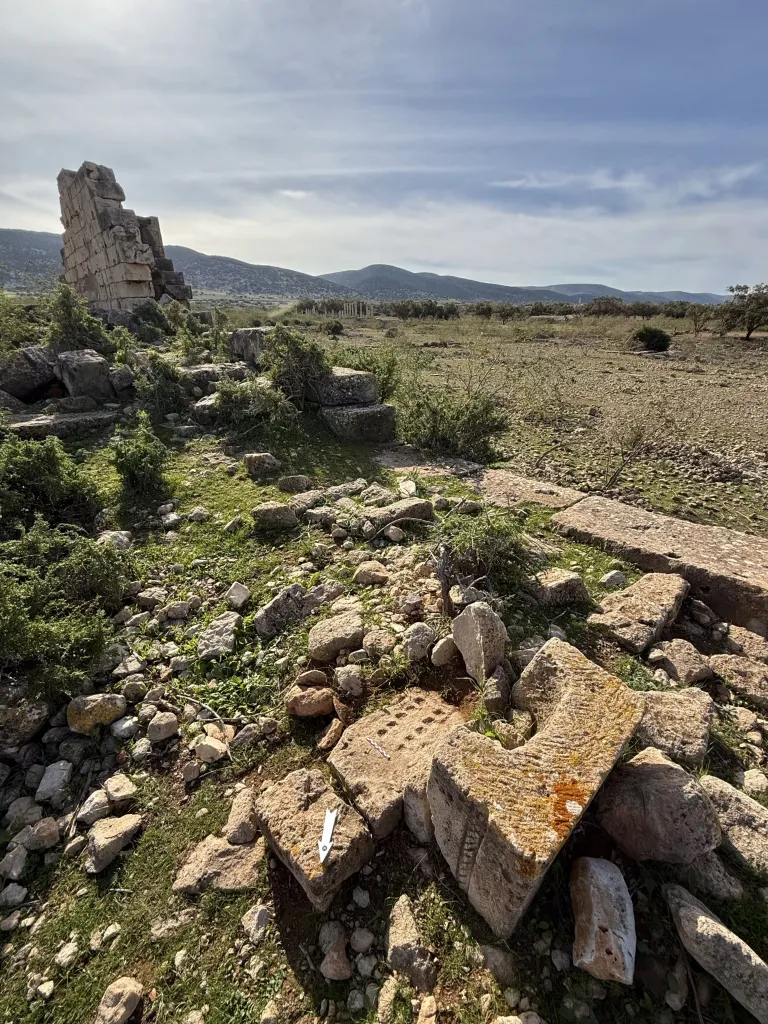 4/9A board carved into a stone block found in the eastern part of the city (credit: Zofia Kowarska)
 -
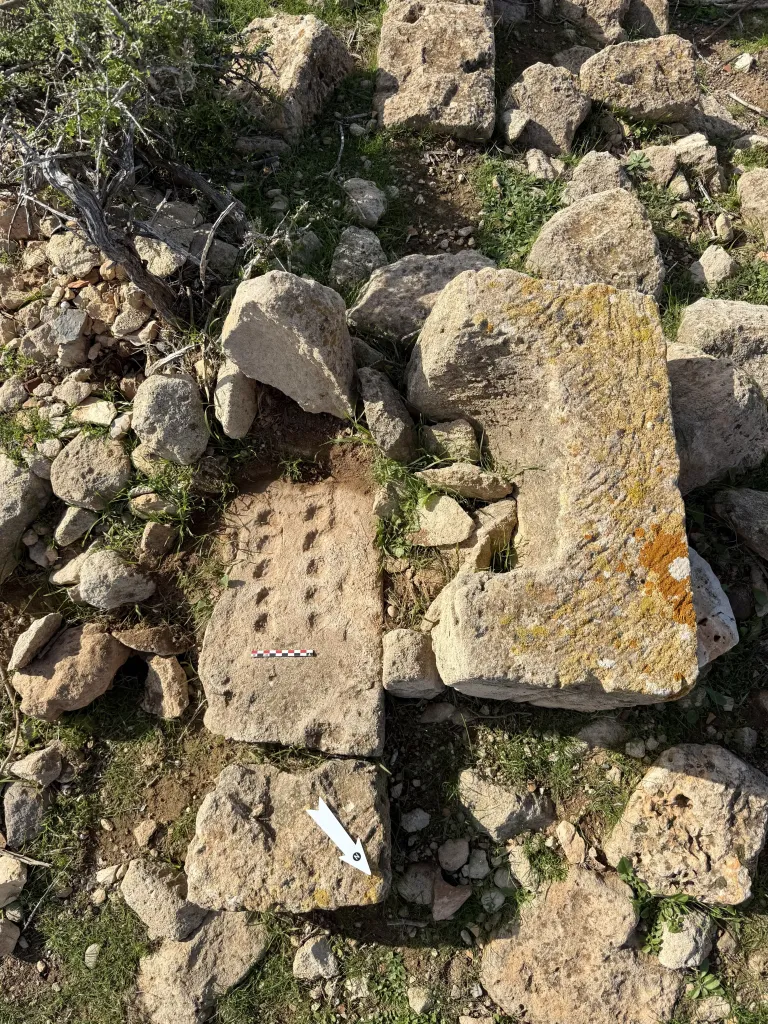 5/9A board carved into a stone block found in the eastern part of the city (credit: Zofia Kowarska)
 -
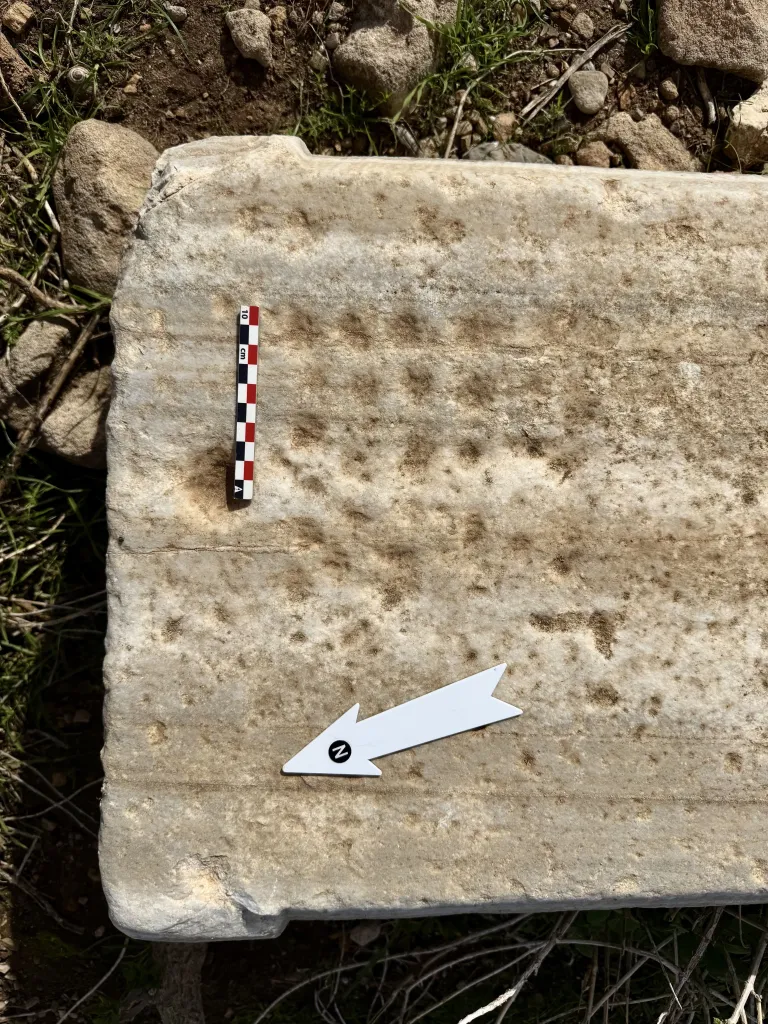 6/9Game board carved on a marble column (credit: Zofia Kowarska)
 -
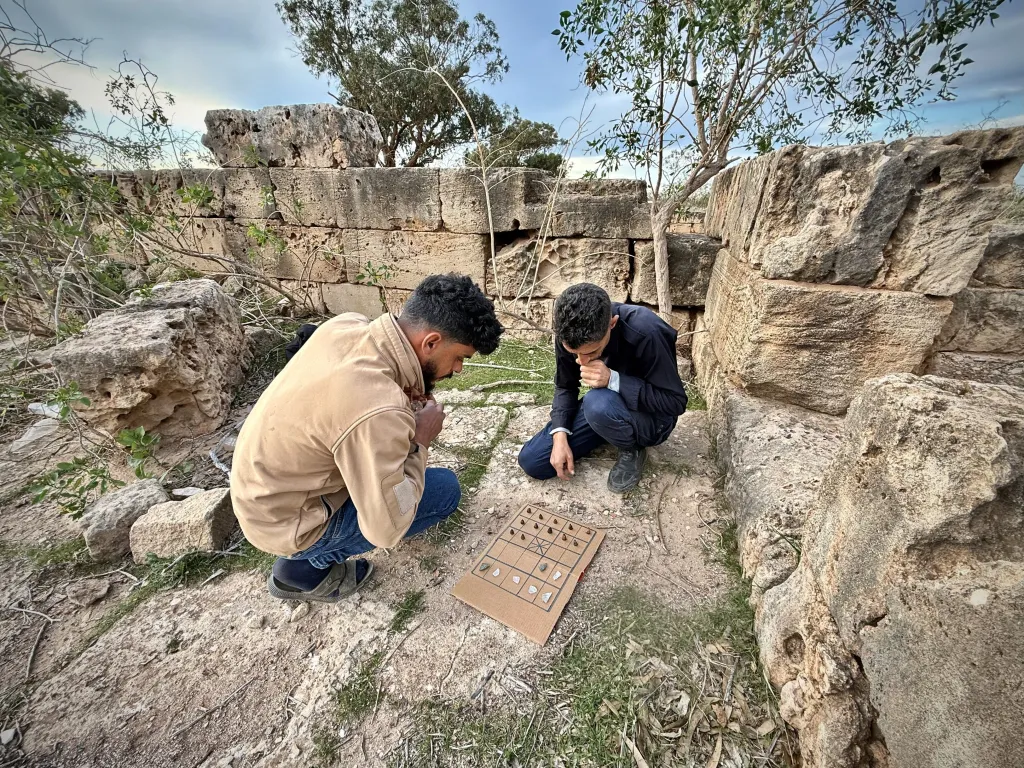 7/9Tolmeita residents Ismail and Hasan demonstrate different variations of the game of seega on a handmade cardboard board (credit: Zofia Kowarska)
 -
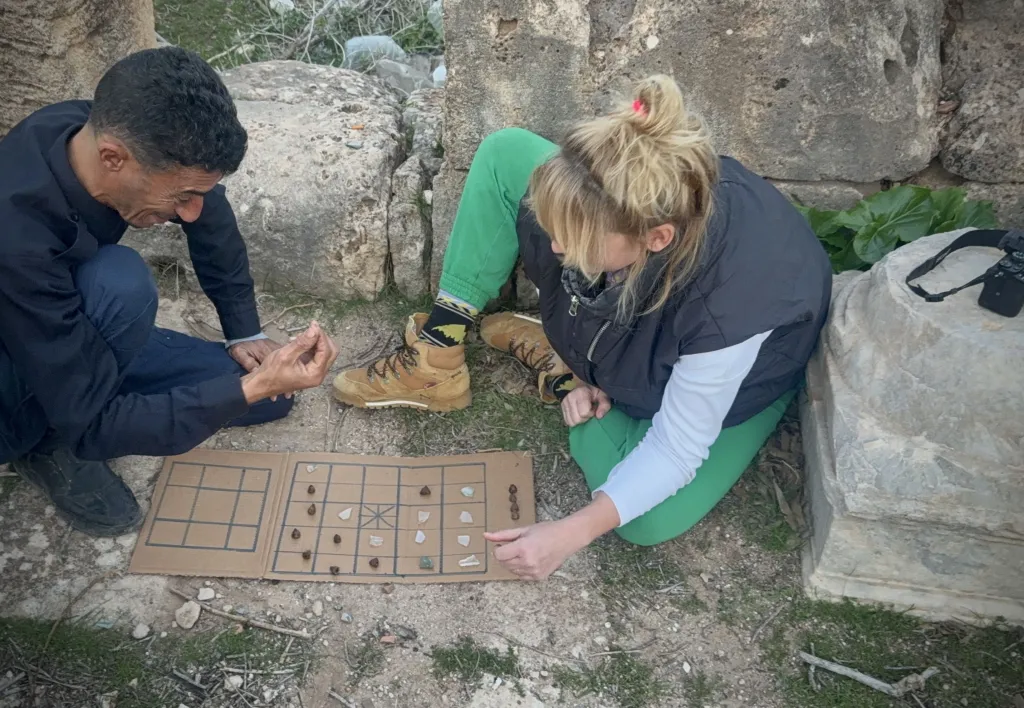 8/9Ismail Abdullah Abu El Hawle teaching the game to Zofia Kowarska (credit: Radosław Tusznio)
 -
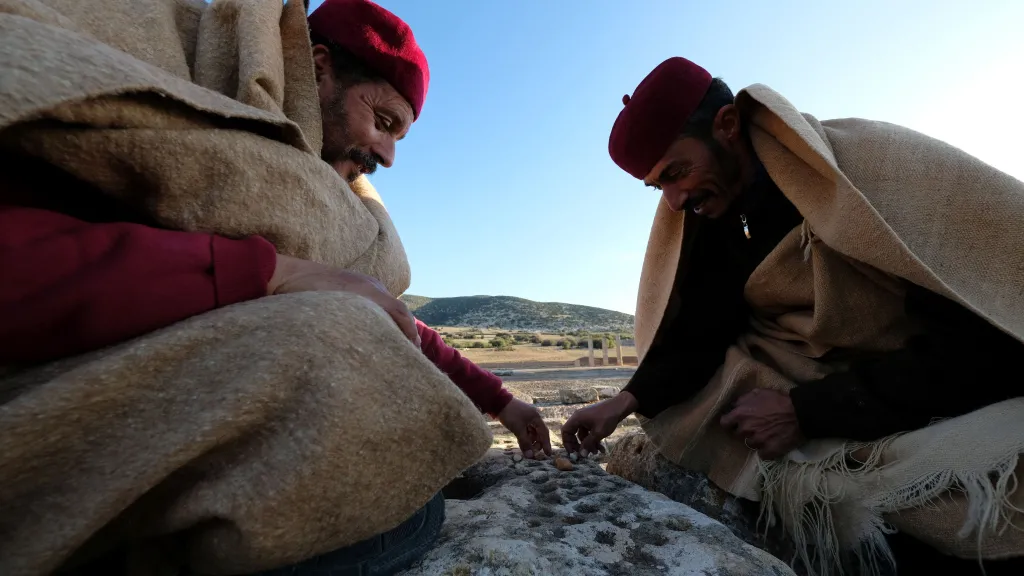 9/9This is what shepherds playing siza may have once looked like; Tolmeite residents, dressed in traditional costumes, play a game on the walls of the Cistern Square in Ptolemais (credit: Piotr Jaworski)