

Researchers at the AGH University of Science and Technology have developed ultra-light insulating materials inspired by the microscopic structures of polar bear fur and cactus hair, opening potential applications in construction, smart textiles and military thermal camouflage.
The research team, led by Professor Urszula Stachewicz from the university’s Faculty of Metals Engineering and Industrial Computer Science, recreated natural nanostructures in polymer materials using electrospinning technology.
“We use biomimicry, meaning we +peek+ at solutions developed by animals and plants, and recreate them to solve our challenges,” Stachewicz said.
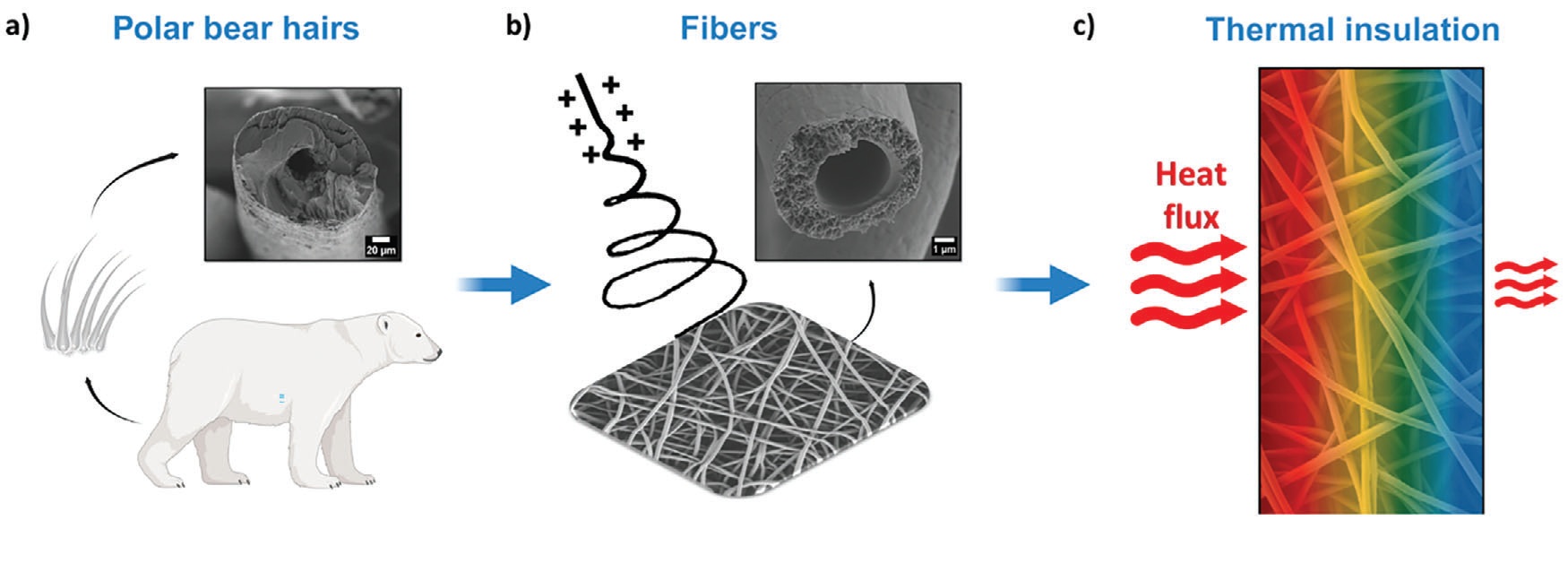
The scientists reproduced the structure of polar bear hair, which is hollow and traps air to protect against extreme cold. Using polystyrene and polyurethane, the team created synthetic fibres with a double shell and hollow core designed to mimic the thermal properties of the animal’s fur.
“The novelty lies in proprietary manufacturing technology: a needle with two coaxial nozzles allows to create hollow structures from two different polymers simultaneously, through electrospinning,” the researchers said.
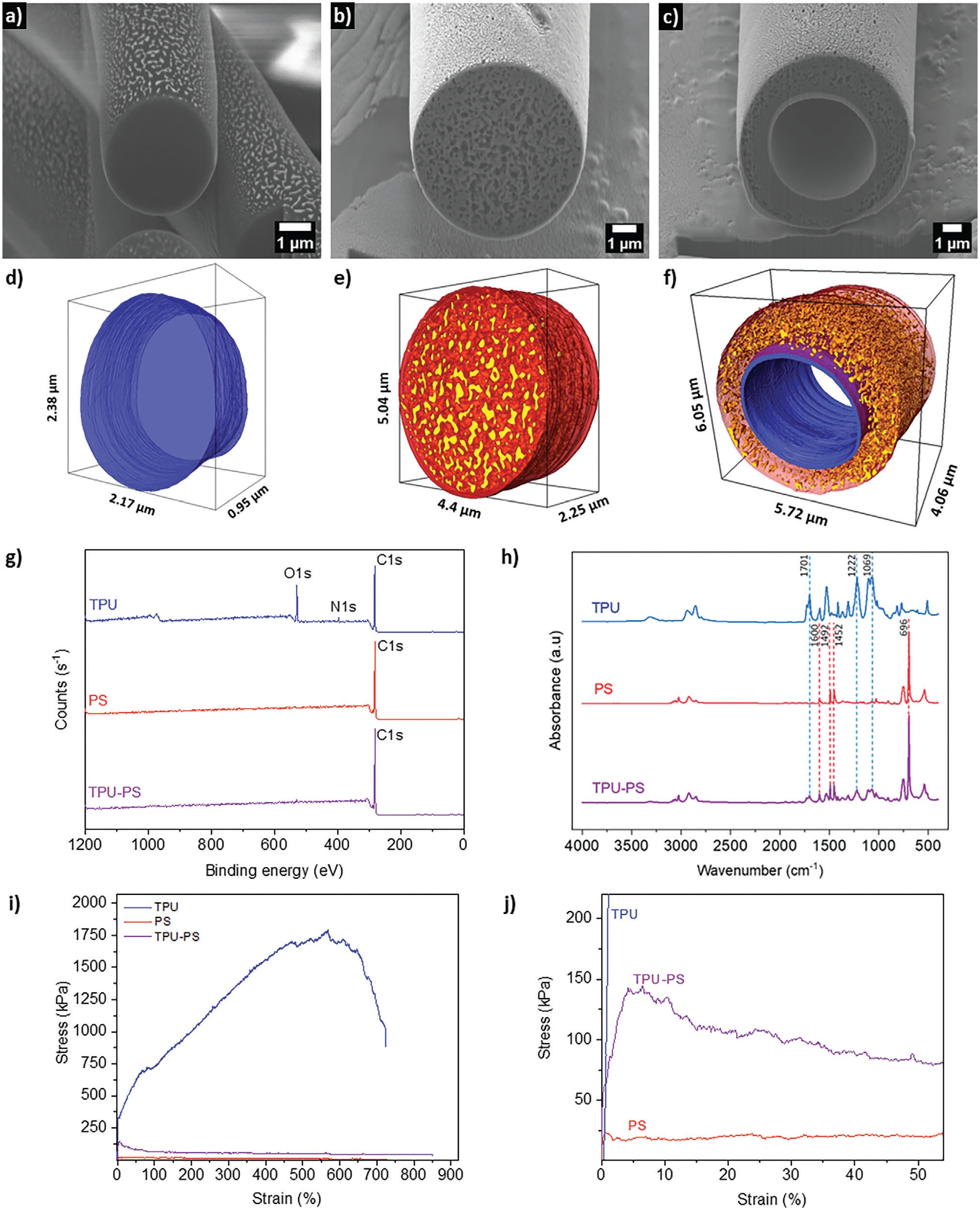
The resulting fibres are about a thousand times thinner than human hair. According to Stachewicz, the material is lightweight, flexible and highly porous.
“Our mats are very light and flexible. They can be crumpled like a tissue and moulded to any shape. The material contains as much as 90% air, which, given its high porosity, makes it an excellent insulator,” she said.
Tests using thermal imaging cameras showed that filling empty spaces in window frames with the nanofibre mats significantly reduced heat loss. The material retained heat indoors during winter and protected against heat in summer. The findings were published in the journal Advanced Science.
Researchers are also studying energy storage mechanisms inspired by polar bears’ black skin and fat layers, which absorb and retain solar heat.
“Nature teaches us something else: polar bears have black skin that absorbs solar energy, and a layer of fat acts as a heat reservoir. We want to achieve a similar effect with PCM (phase change materials) with added glycol or layered carbon, which absorb and release energy depending on temperature,” Stachewicz said.
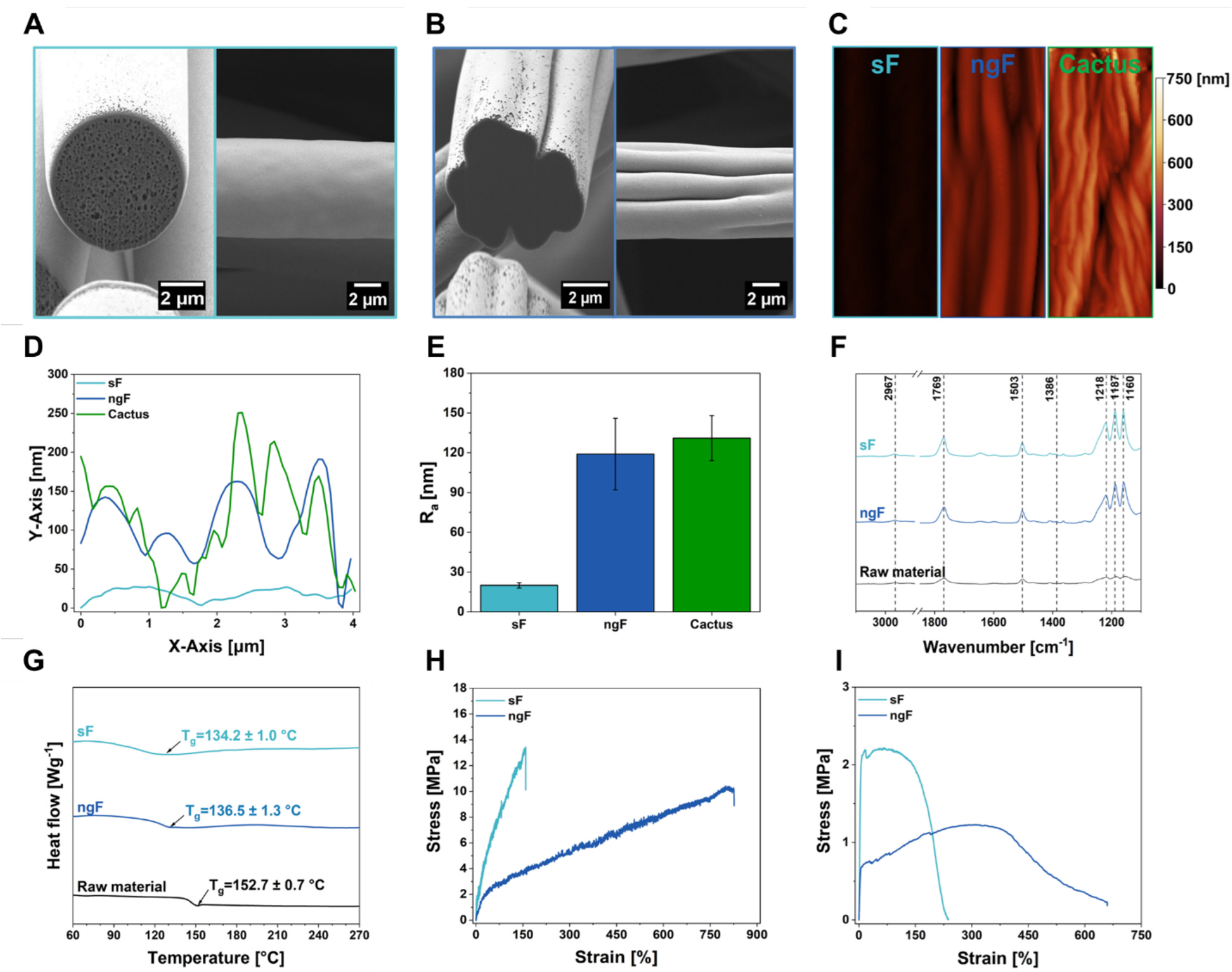
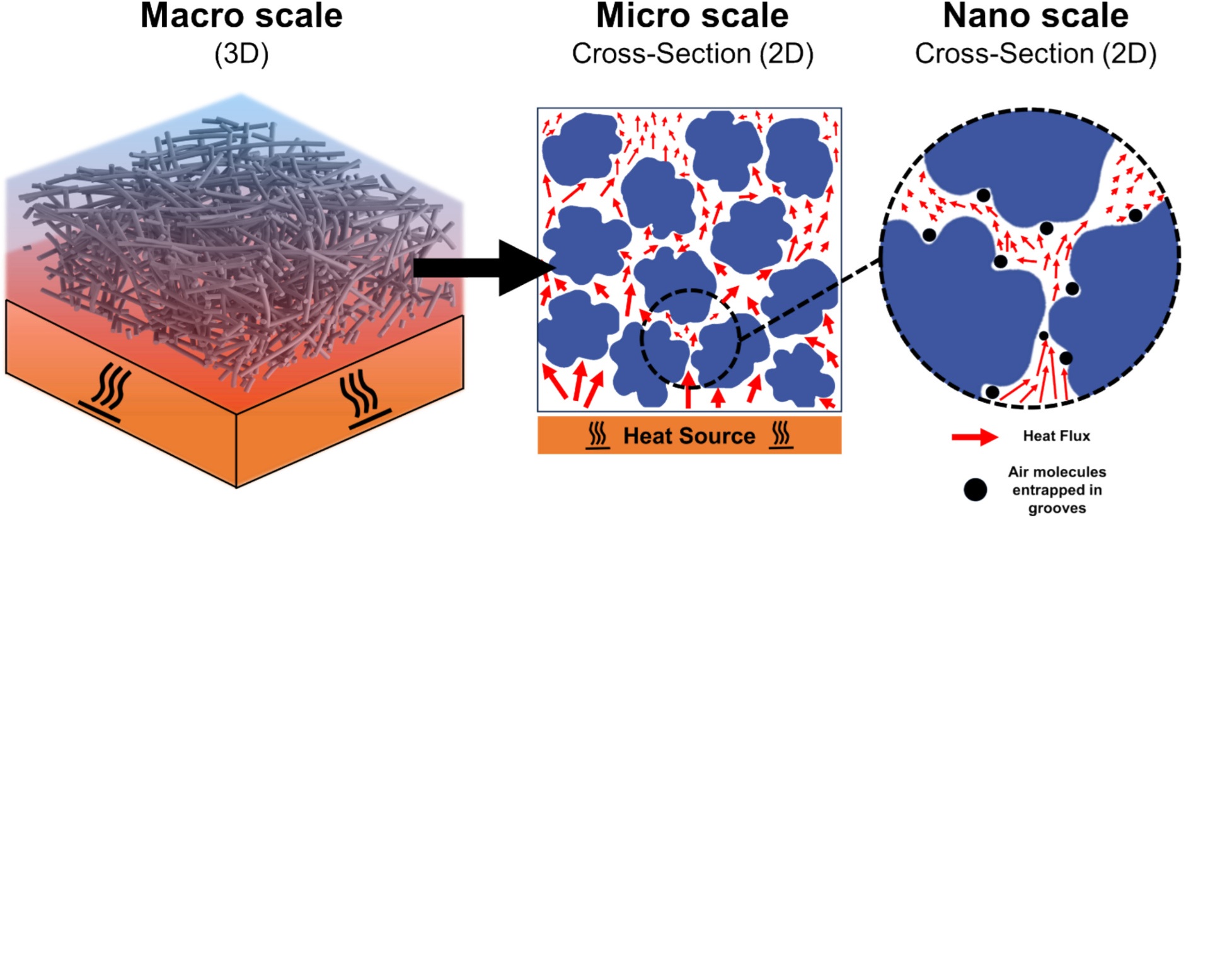
Another line of research drew inspiration from the cactus Cephalocereus senilis, commonly known as the Old Man Cactus. Under a microscope, its hair-like structures contain grooves that trap air and reduce heat transfer.
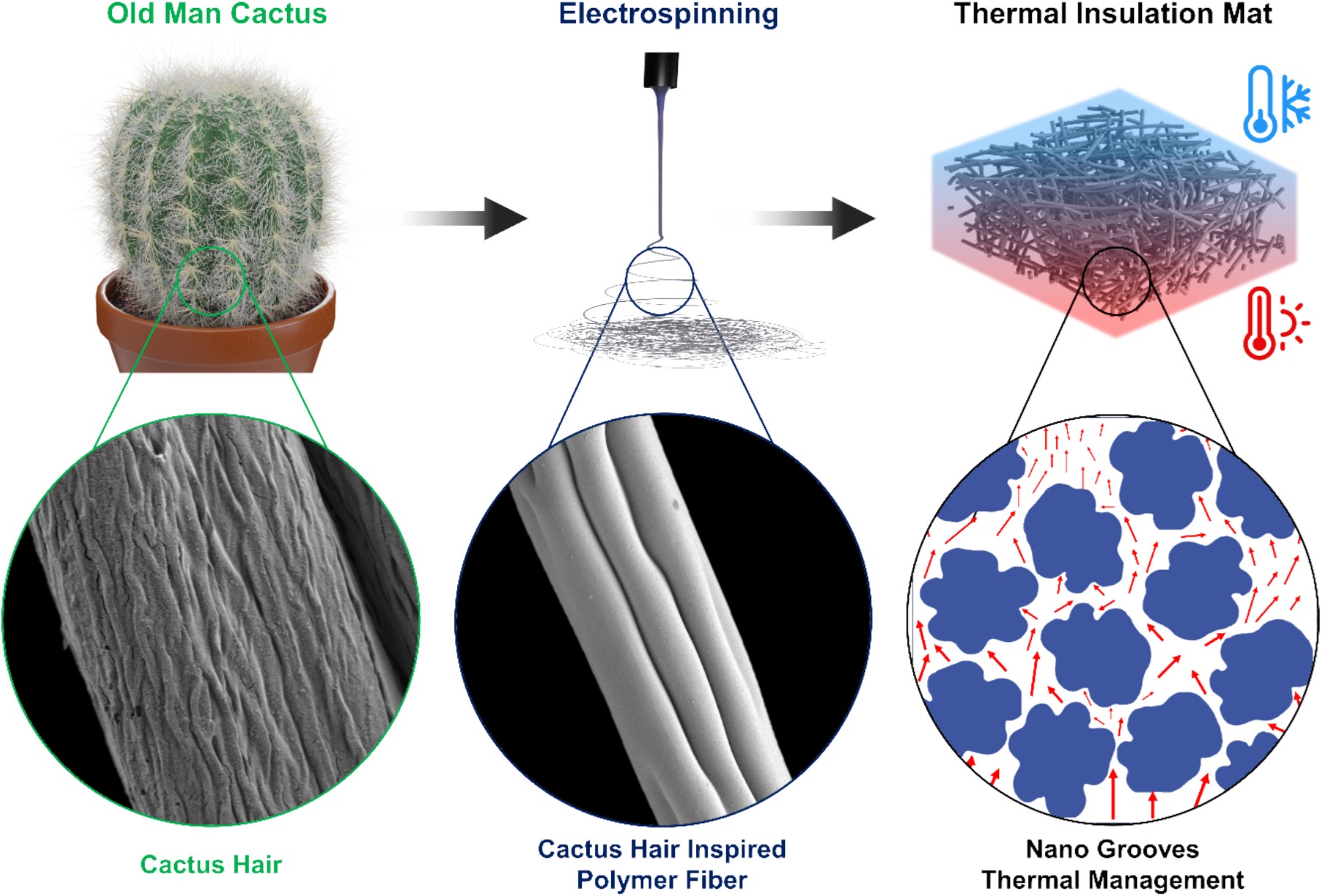
The AGH researchers recreated this wrinkled structure in polycarbonate fibres and demonstrated its insulating properties in hot water pipe insulation. According to the team, the material can achieve the same thermal performance as standard rubber insulation while being much thinner.
Stachewicz said the technology could be applied to electrospun yarns and smart textiles capable of adapting to environmental conditions.
“This is a step towards smart textiles. Imagine a sweatshirt that adapts to body temperature, monitors blood sugar levels from sweat, and charges a phone using energy from the wearer's movement. This is no longer pure science fiction,” she said.
She added that the yarns could also be used for thermal camouflage to reduce visibility to drones and thermal imaging systems.
“As scientists, we conduct basic research, but it almost immediately translates into applications. However, we need an industry that will implement these ideas in mass production,” Stachewicz said.
“I am fascinated by the fact that we do not have to invent new chemical compounds to create new materials. To obtain new properties, it is often enough to +play+ with the geometry and architecture of the material, just like nature does,” she added.
The results were published in the Chemical Engineering Journal.
PAP - Science in Poland, Ludwika Tomala (PAP)
lt/ agt/
tr. RL