Hydrobiologists from the University of Szczecin, working with scientists from Norway, Germany and Austria, have discovered a new crustacean species that had previously been mistaken for another species described more than 170 years ago.
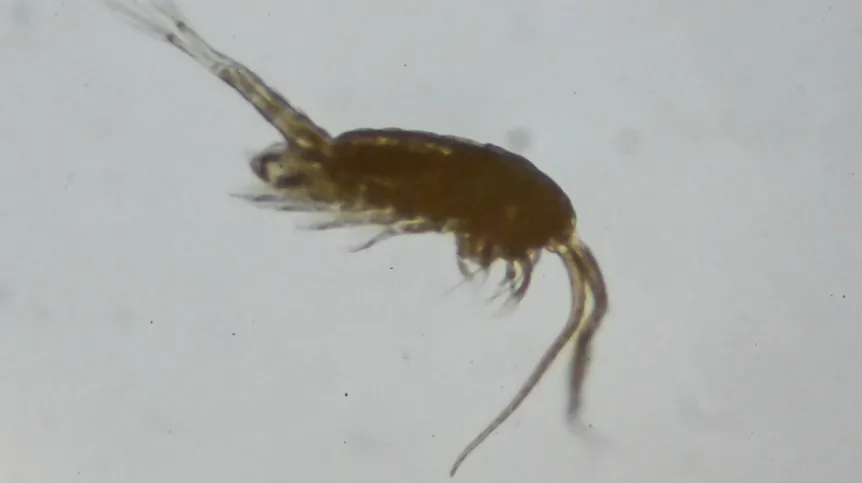
Named Eurytemora nilsseni, the newly identified copepod inhabits small bodies of water on islands along the coast of the Skagerrak Strait.
Scientists from Szczecin have been studying the copepod (a crustacean subclass) Eurytemora velox, found throughout Europe, for six years. The project laeder is Łukasz Sługocki, PhD, a professor at the Institute of Biology, University of Szczecin.
After analysing populations from various bodies of water, scientists discovered that individuals living in small water bodies along the Norwegian coast were larger and had a differently structured fifth pair of legs.
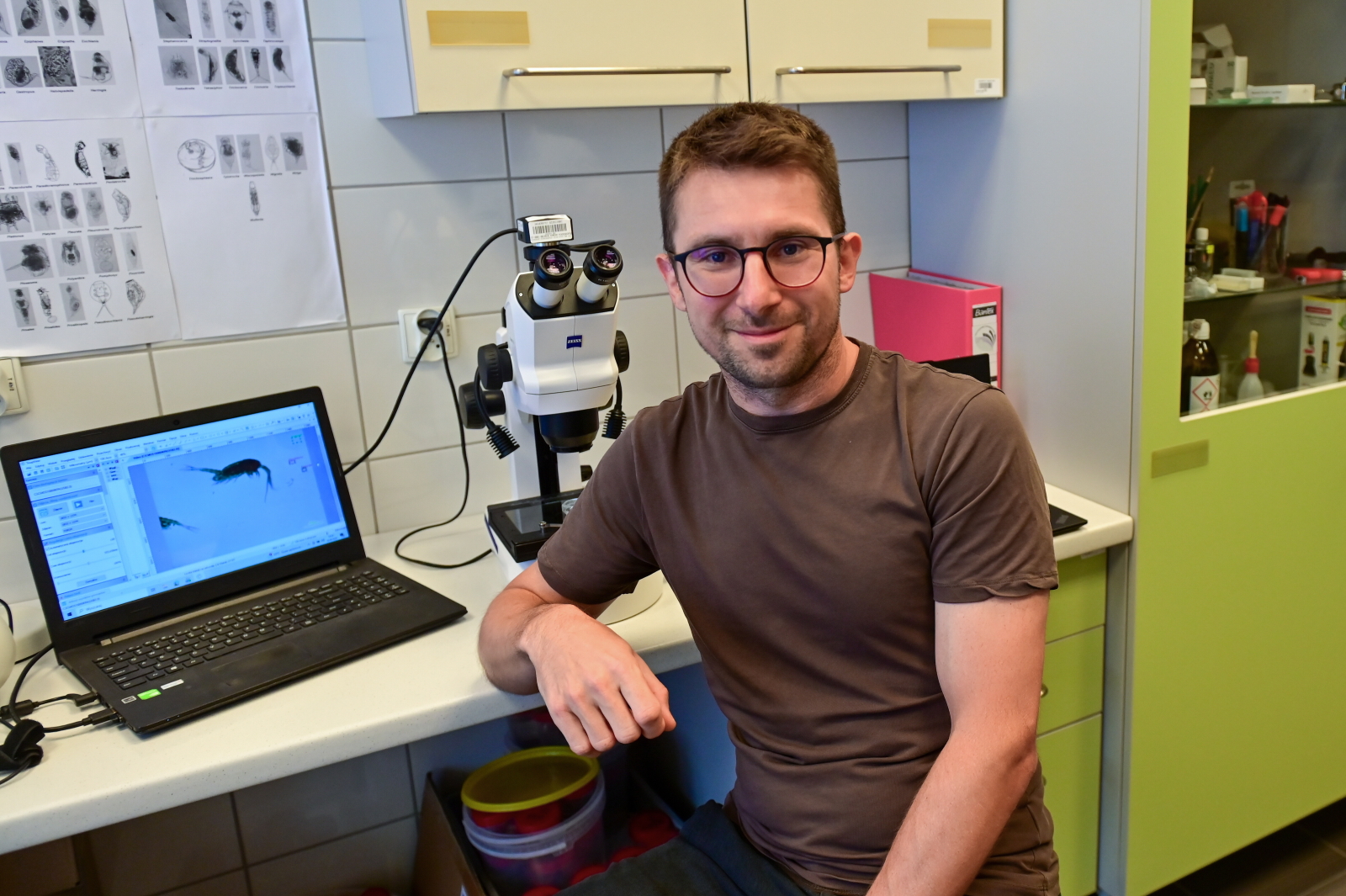
‘The differences are very minor. They may involve individual setae or the number of spines on structures measuring on the order of 100–200 micrometers. These are very subtle details’, Sługocki explains in an interview with PAP.
At the laboratories of the Institute of Biology, University of Szczecin, he presented microscopic images of the new crustacean species, named Eurytemora nilsseni in honor of the Norwegian scientist Jens Petter Nilssen (who passed away in 2022) who participated in the international research. Sługocki had invited specialists from Germany, Austria, and Norway to collaborate on the project.
Copepods of the genus Eurytemora have been known to science since the 19th century. In 1853, the Swedish zoologist Wilhelm Lilljeborg described Eurytemora velox. Half a century later, the Norwegian zoologist Georg Ossian Sars described and illustrated very similar copepods from islands off the Skagerrak coast, which he also identified as Eurytemora velox. However, research by the scientists from Szczecin has shown that Sars had actually observed a distinct species.
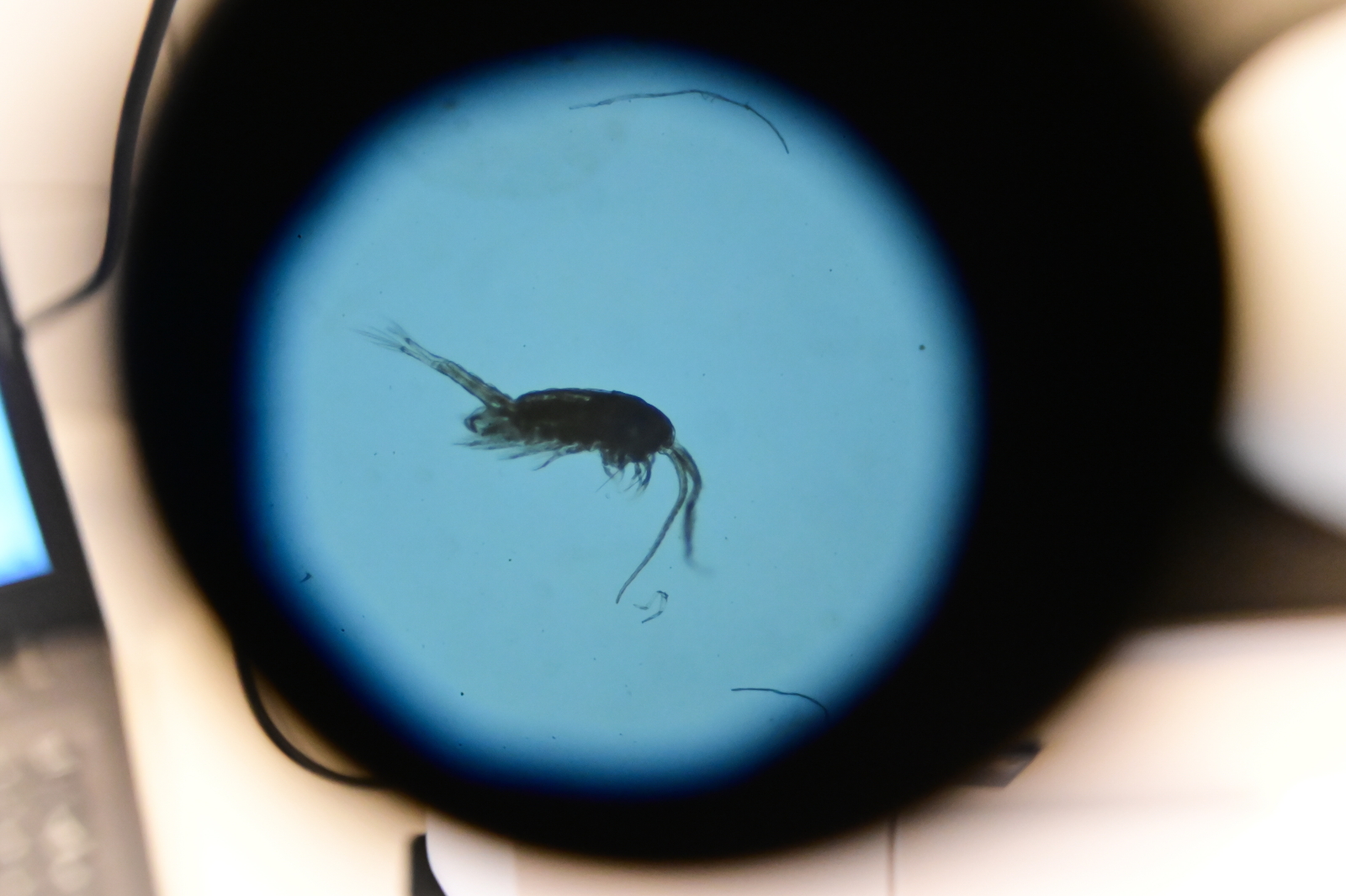
‘Sars did not have the analytical tools we have at our disposal today’, Sługocki emphasises. ‘We measured dozens of individuals from each population and used statistical tools and ordination methods, as well as genetic methods, which ultimately clarified that these were actually two different species, not one’, he explains.
Lucyna Kirczuk, PhD, and Anna Rymaszewska, PhD (a professor at the University of Szczecin) from the US Institute of Biology also worked on this discovery. The hydrobiologists from Szczecin combined traditional studies of organism morphology with modern genetic techniques. Integrative taxonomy allowed to detect minute differences in the crustaceans' anatomy.
‘The fifth pair of legs proved crucial in the research’, Sługocki says.
The scientist points out that the genus Eurytemora comprises a small number of species but is of great interest to evolutionary biologists. These crustaceans, which serve as food for fish, are used as model organisms in studies of evolutionary processes and adaptation to changing environmental conditions.
The new species is unique due to its limited geographical range. To date, it has not been recorded anywhere except the Skagerrak coast.
‘This indicates that it is an endemic species, associated solely with this small area’, emphasises the researcher from Szczecin.
Eurytemora nilsseni is the 23rd species of the Eurytemora genus. It is unknown when it evolved; Sługocki estimates that the process likely took millions of years.
‘Its history is linked to the glaciations of Northern Europe, we are certain of that. However, we do not know exactly when the new species we described diverged from the common one’, he says.
Scientists aim to determine why Eurytemora nilsseni is found only in small bodies of water along the Norwegian coast. In their analysis of the crustaceans' specific habitats, they focused on differences in salinity and the presence of fish.
‘The small pools along the Skagerrak coast contain fresh water from snowmelt or rainfall. Furthermore, no fish live in them. This new species is also characterized by its larger size. These factors may have driven the species' evolution’, Sługocki says. (PAP)
PAP - Science in Poland
tma/ bar/
tr. RL