Mental disorders accounted for an estimated 1.17 billion cases worldwide in 2023, an increase of more than 95% since 1990, according to the latest Global Burden of Disease analysis. The highest per-capita burden was recorded among teenagers aged 15-19.
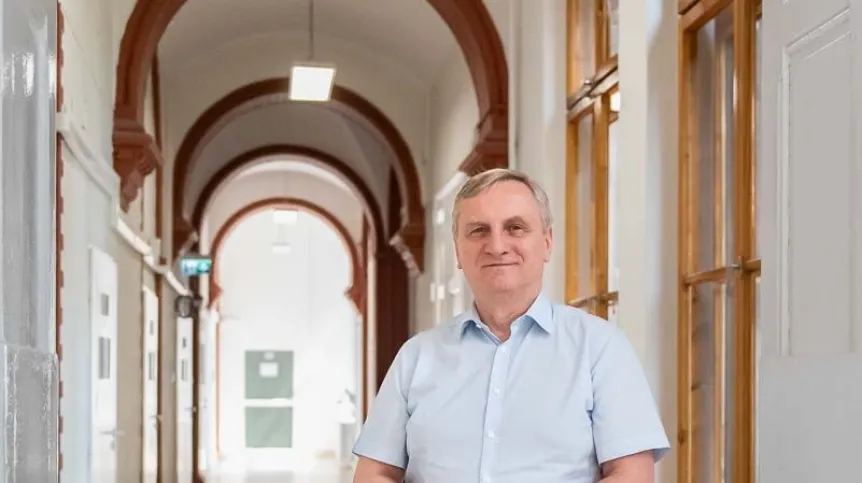
The analysis, which covers more than three decades of data from 204 countries and territories, was published in The Lancet. The international team of authors included Zbigniew J. Król, a professor at the Department of Public Health at Wroclaw Medical University, the university said.
Researchers involved in the Global Burden of Disease study used epidemiological data and statistical models to estimate the prevalence and health burden of 12 categories of mental disorders between 1990 and 2023.
The number of cases rose by more than 95% over the period. Population growth and changes in the global age structure contributed to the increase, but did not fully explain it. Even after adjusting for age, the increase exceeded 24%, indicating that the burden had grown beyond what demographic changes alone would predict.
'I consider a particular finding - one easily overlooked amidst the figure of over a billion cases - to be especially significant. Even after adjusting for age structure, the increase remains pronounced. Data concerning young people are even more striking. The burden of mental disorders is greatest in the 15-19 age group. This is an argument for early intervention, providing help before difficulties become entrenched and begin to impact subsequent stages of life', Król said in a statement quoted in the university's press release.
One measure used in the analysis was years lived with disability (YLDs), which estimates the time people spend living with health conditions that impair their ability to function. It captures health loss caused by illness rather than premature death.
In 2023, mental disorders accounted for 17.3% of all YLDs worldwide, making them the leading cause of this type of health loss.
'This result demonstrates that when assessing population health, we must consider not only life expectancy but also quality of life and the ability to function in daily life. For the patient, the goal of care is to alleviate symptoms and regain functional capacity. For the healthcare system, this implies a need to evaluate treatment outcomes, the continuity of support, and the availability of community-based care, rather than focusing solely on the number of consultations or hospitalisations', Król said.
The researchers also assessed disability-adjusted life years (DALYs), a measure combining years lived with disability and years lost due to premature death. By this measure, mental disorders ranked fifth, accounting for 6.1% of the global burden of disease.
The highest per-capita burden of mental disorders was found among 15-19-year-olds, a period when young people are transitioning into adulthood and developing greater independence.
Król said the findings highlighted the importance of providing support before mental health problems developed into severe crises, when they could disrupt young people's well-being, education and ability to live independently.
The analysis also identified differences between the sexes. Up to the age of 14, the burden of mental disorders was higher among boys. From the age of 15 onwards, it was higher among girls and women. Globally, anxiety disorders, major depression and schizophrenia accounted for the greatest burden among the conditions analysed.
Although global estimates do not directly reflect the situation in Poland, national data also point to the scale of mental health needs among children and adolescents.
The representative EZOP II study, conducted in 2018-2019 before the COVID-19 pandemic, identified current mental disorders in 15.4% of surveyed adolescents aged 12-17 and 11% of children aged 7-11.
Meanwhile, data from Poland's National Health Fund show that more than 279,000 young people received psychological or psychiatric care in 2023, compared with approximately 119,000 in 2019. (PAP)
PAP - Science in Poland
ros/ zan/
tr. RL