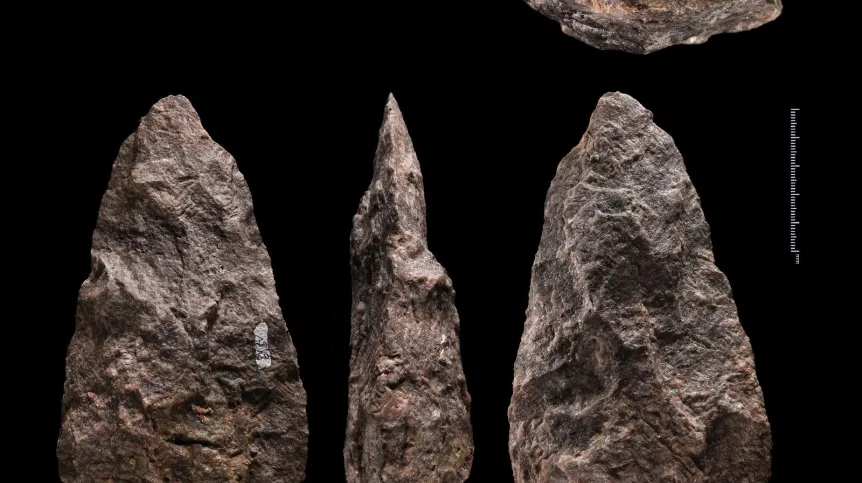
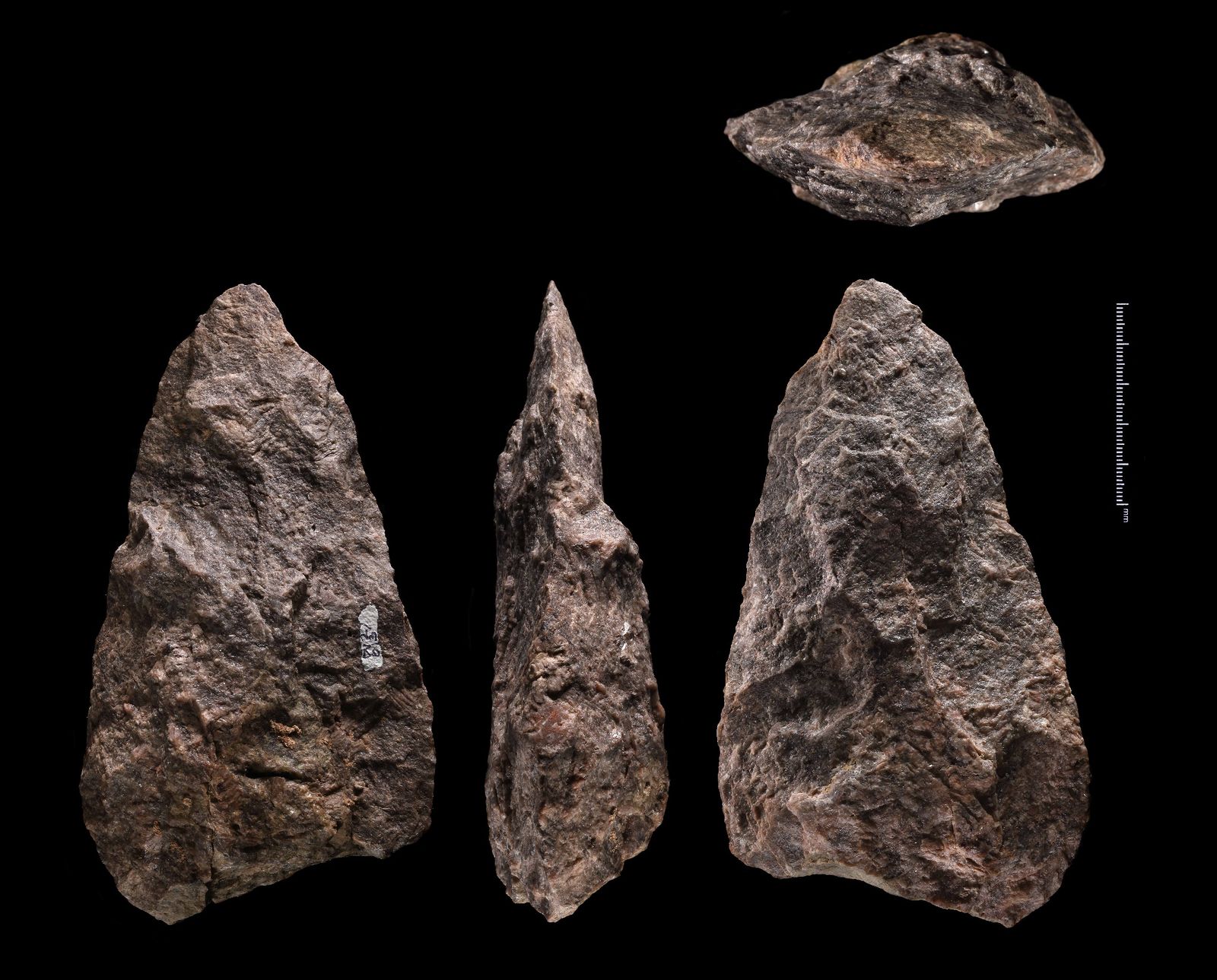
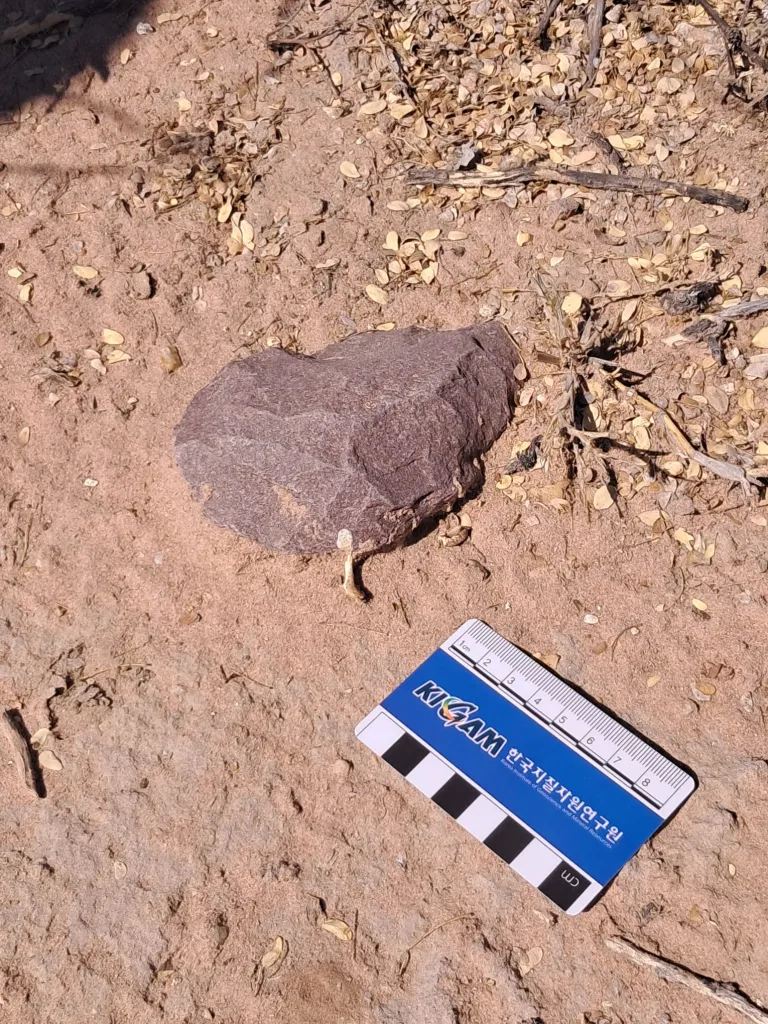
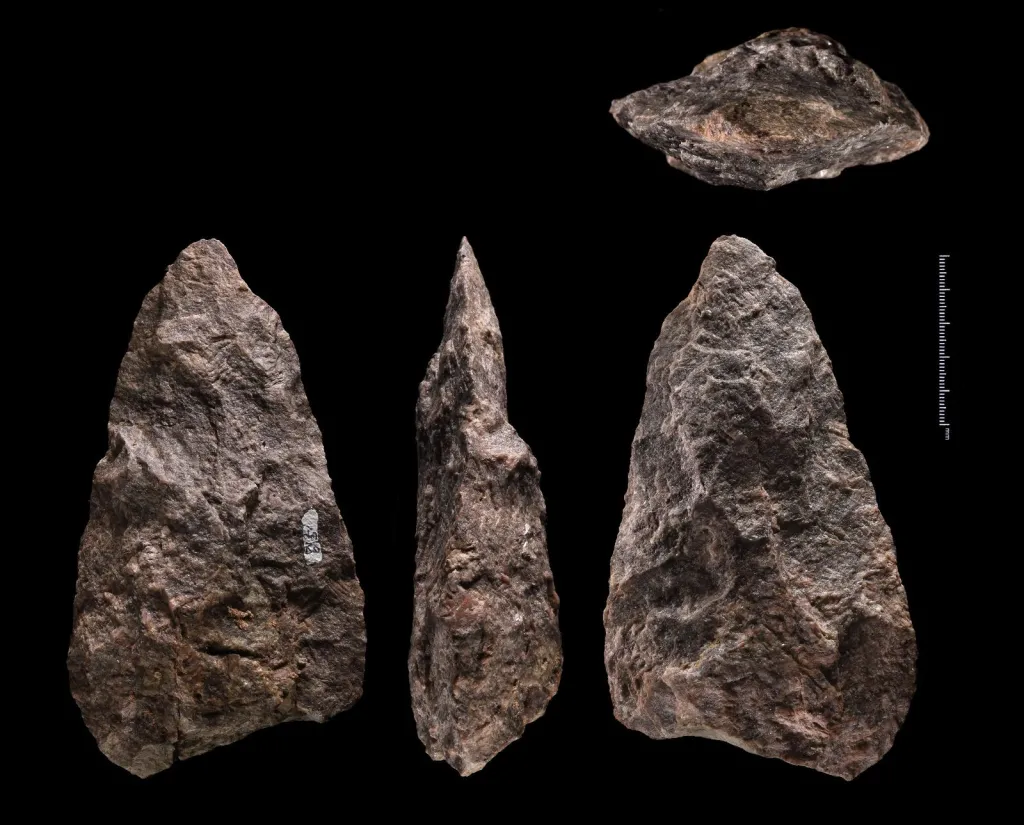
Polish archaeologists have discovered nearly 100 stone handaxes, along with evidence of how they were made, in a remote and little-explored valley in Botswana's Kalahari Desert.
The finds, made in the Okwa Valley, are associated with the Acheulean tradition, one of the oldest known stone-tool technologies, which emerged in Africa approximately 1.7 million years ago.
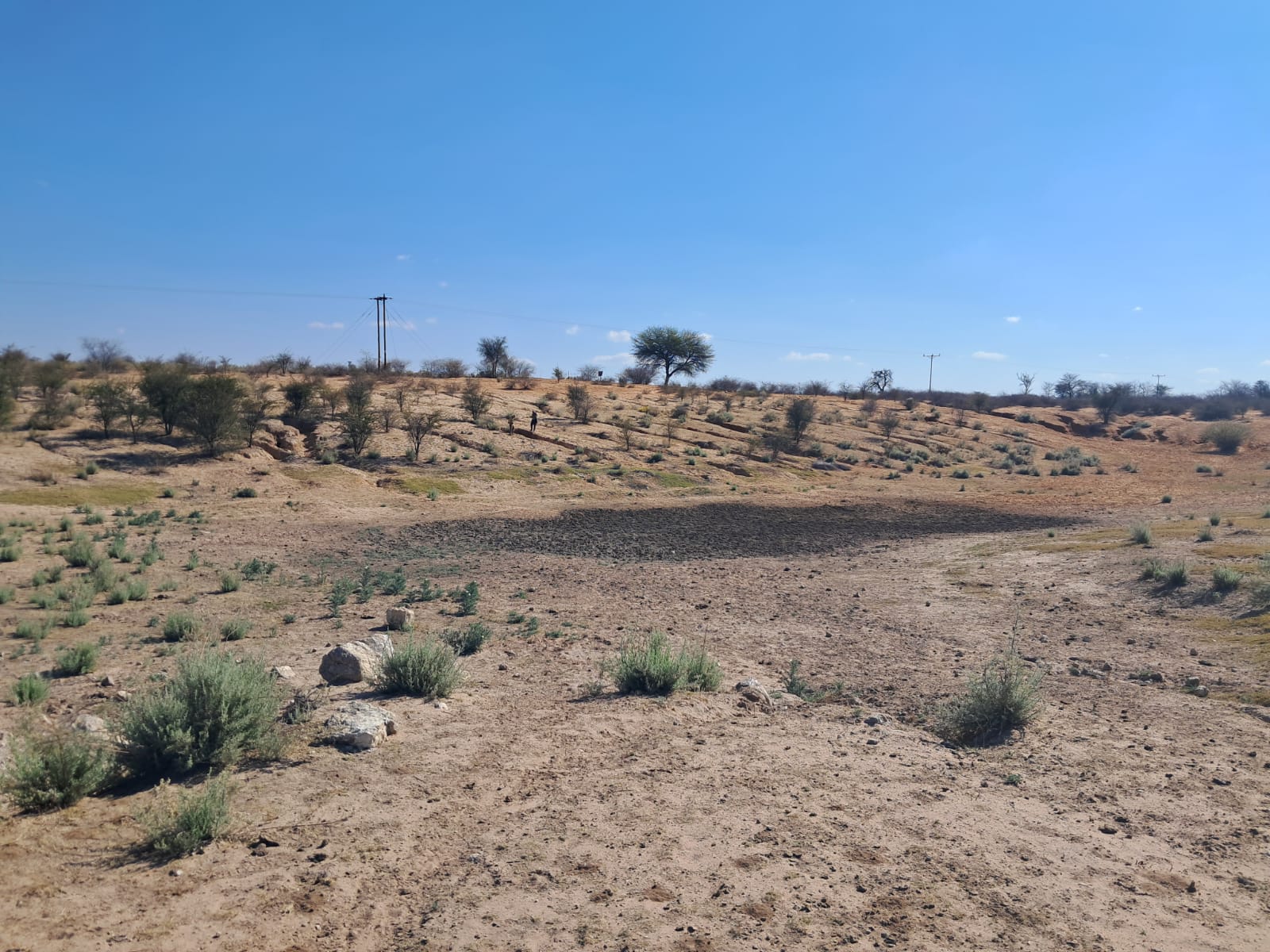
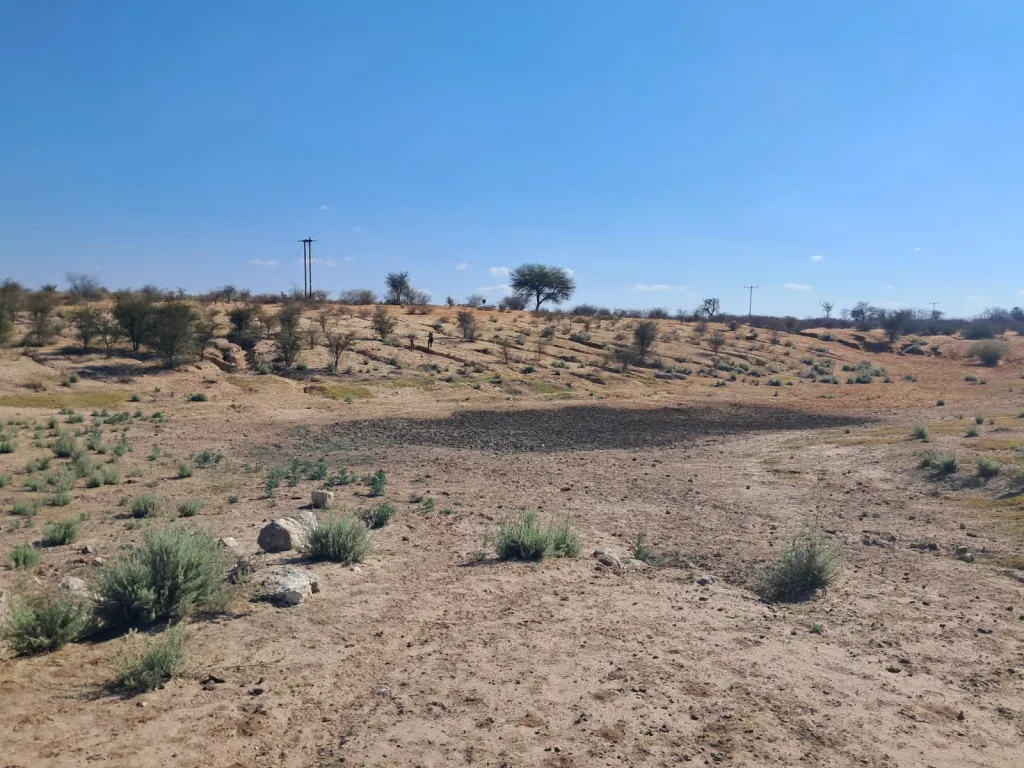
Much of the Kalahari is covered by dense bush, making archaeological exploration particularly difficult.
"The Okwa Valley is an exceptionally challenging area for research. The dense bush limits access to many locations and hinders systematic archaeological surveying. This is the main reason why this part of the Kalahari remains so poorly explored to this day," says Professor Mirosław Masojć, Director of the Institute of Archaeology at the University of Wrocław.
Supported by a grant from the Polish National Science Centre, Masojć's team is investigating the now-dry valley, far from modern population centres. The Okwa Valley stretches towards the border between Botswana and Namibia. During the Pleistocene, an extensive network of rivers and lakes existed in the area, preserving traces of environmental change and early human activity.
"We are primarily looking for the earliest evidence of the presence and movement of hominins, as well as sites that allow for direct research," Masojć explains.
"In essence, one could say that the University of Wrocław has been granted access to the entire Kalahari Desert for its research into the earliest chapters of human history," he adds.
In these hard-to-reach areas, the researchers have documented evidence of activity associated with the Acheulean tradition, a major technological development of the Lower Palaeolithic known from Africa, Asia and Europe.
"The consensus is that the Acheulean tradition emerged approximately 1.7 million years ago and persisted until about 200,000 years ago. Its most characteristic manifestations are large stone tools known as handaxes," Masojć says.
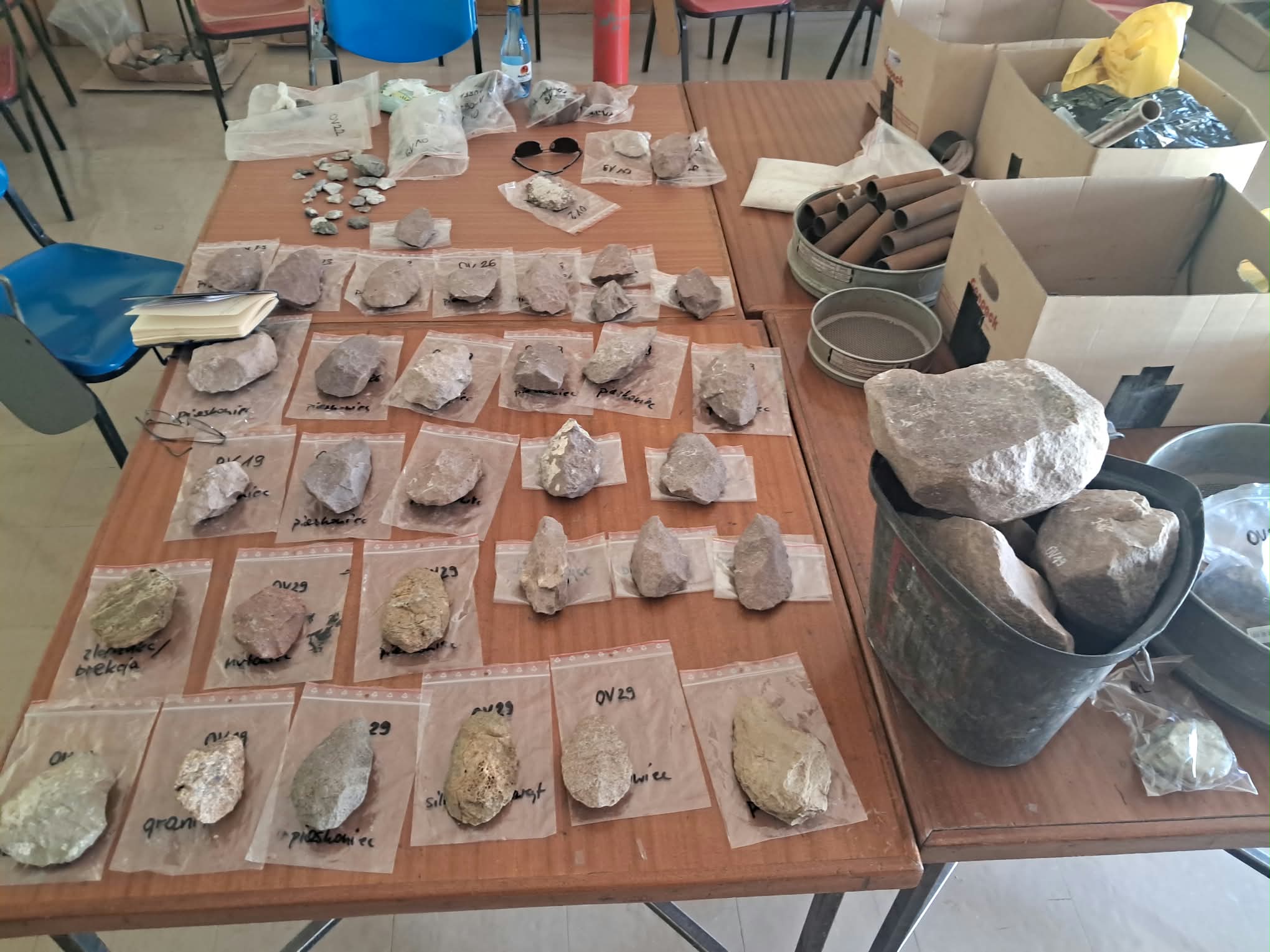
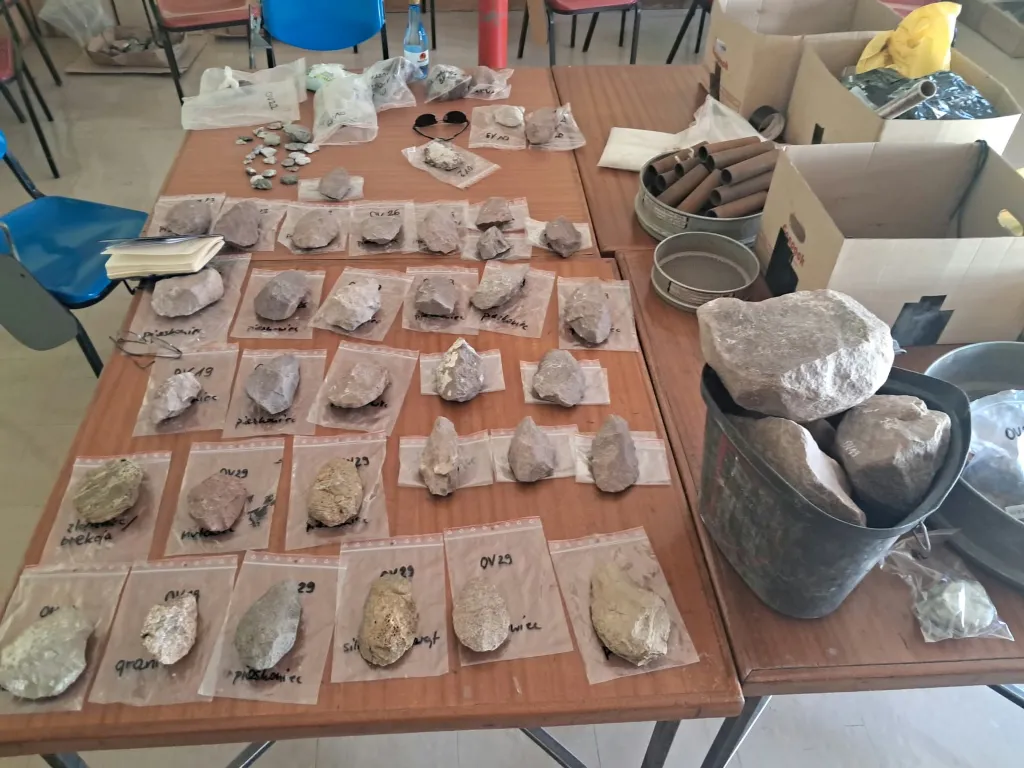
This year, the team discovered around 40 handaxes at a single site, together with fragments of stone left behind during their manufacture and the working of larger blocks of raw material.
The latest finds bring the total number of handaxes collected by the archaeologists in the Kalahari to nearly 100.
"We plan to analyse how they differ from handaxes found in regions north of the Kalahari, and from Acheulean material from South Africa. They are currently at the AGH University of Science and Technology in Kraków, where they are undergoing detailed analysis," Masojć says.
The team has also found an unusual way of overcoming the difficulties posed by the terrain. Researchers discovered that the Okwa Valley contains calcretes – sediments cemented by calcium carbonate that are widely used in Botswana as a local material for road construction.
The material is extracted from numerous quarries in the region. These excavations have proved invaluable to the archaeologists because they expose layers of Kalahari sediment, offering a glimpse into the valley's geological structure.
"We have discovered that the Okwa Valley contains calcretes – sediments cemented by calcium carbonate, which are commonly used in Botswana as a local material for road construction. They are extracted from numerous quarries, which proved invaluable to us, as these excavations expose the Kalahari sediments and provide insight into the geological structure of the valley," Masojć says.
In the exposed deposits, the researchers identified traces of ancient rivers and a Pleistocene lake. The stone handaxes were found along the shoreline of this prehistoric body of water.
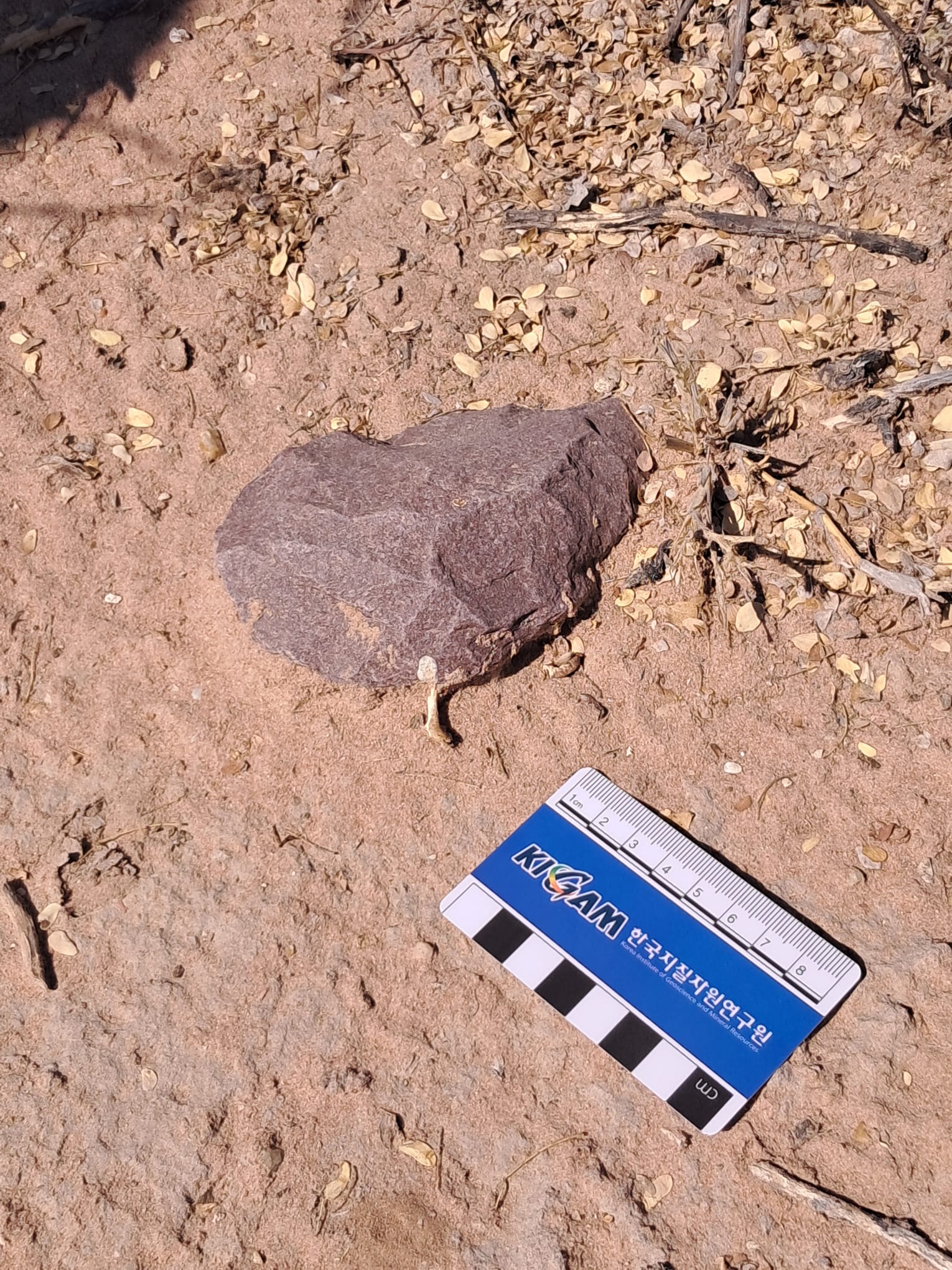
By combining technological analysis of the tools with studies of the sediments, chronology and ancient environment, the researchers hope to reconstruct how early human communities used the Kalahari landscape and adapted to changing environmental conditions in southern Africa.
The research is being conducted in collaboration with scientists from the University of Botswana, the Korea Institute of Geoscience and Mineral Resources (KIGAM), and the Department of Regional and Deposit Geology at the Polish Geological Institute – National Research Institute in Warsaw.
Ewelina Krajczyńska-Wujec, PAP - Science in Poland
ekr/ agt/
tr. RL
Gallery (4 images)
-
 1/4Credit: M. Masojć
-
 2/4Credit: M. Masojć
-
 3/4Credit: M. Masojć
-
 4/4Credit: M. Masojć