

-
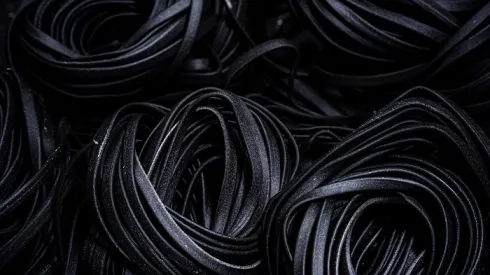
Nanotubular spaghetti in polymer sauce
Polish researchers have synthesized polymers that were too expensive to freely conduct research on. They now have a whole library of compounds allowing them to select carbon nanotubes for nanomedicine and photovoltaics.
-
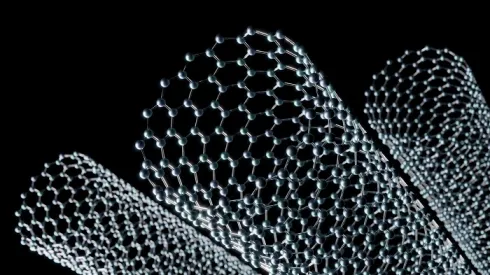
Nanotube 'big fish' bait to save most valuable nanotubes
Polish scientists have discovered a bait for 'nanotube big fish'. Their method will make it possible to separate all larger carbon nanotubes in one step and leave only the smallest ones that have a special potential for use in photovoltaics and nanomedicine.
-

Luminescent click nanotubes to help diagnose heart disease and cancer
Polish scientists have found that a method similar to Nobel Prize-winning click chemistry can be used to improve the luminescence of nanomaterials. It is enough to disrupt the symmetry of carbon nanotubes using azides. 'Asymmetrical like a the Mona Lisa's smile', nanotubes can be used to detect the early stages of diseases.
-
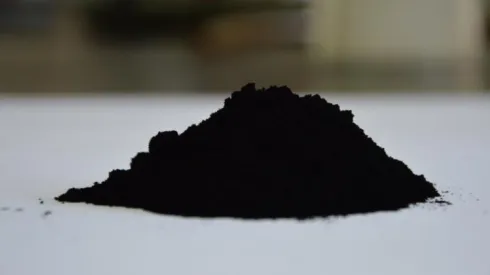
Cinderella 2.0 picks out nanotubes from black dust
Polish researchers solved the problem of researchers working with carbon nanomaterials in laboratories around the world. They used a method developed over 150 years ago. They can separate the selected type of nanotubes from the crowd of others, whose diameters differ from each other by the length of the radius of the hydrogen atom. The idea has been described in Nature Scientific Report.
Most Popular
-

Joint grave of two women marks first confirmed same-sex medieval burial in Poland
-
Hundreds of monumental tomb structures have been discovered in Africa thanks to the analysis of satellite images
-
Dormant brain cells help repair blood vessels after stroke, study finds
-
European scientists warn of growing pressure on academic freedom
-
Electric pulses and calcium tested as new weapon against pancreatic cancer
Recommended
European scientists warn of growing pressure on academic freedom
Instances of restrictions on academic freedom are being observed across several European countries, researchers and representatives of young academies said during a meeting in Warsaw in May, where participants warned that scientific independence is being shaped not only by political decisions but also by funding systems, institutional policies and public pressure.