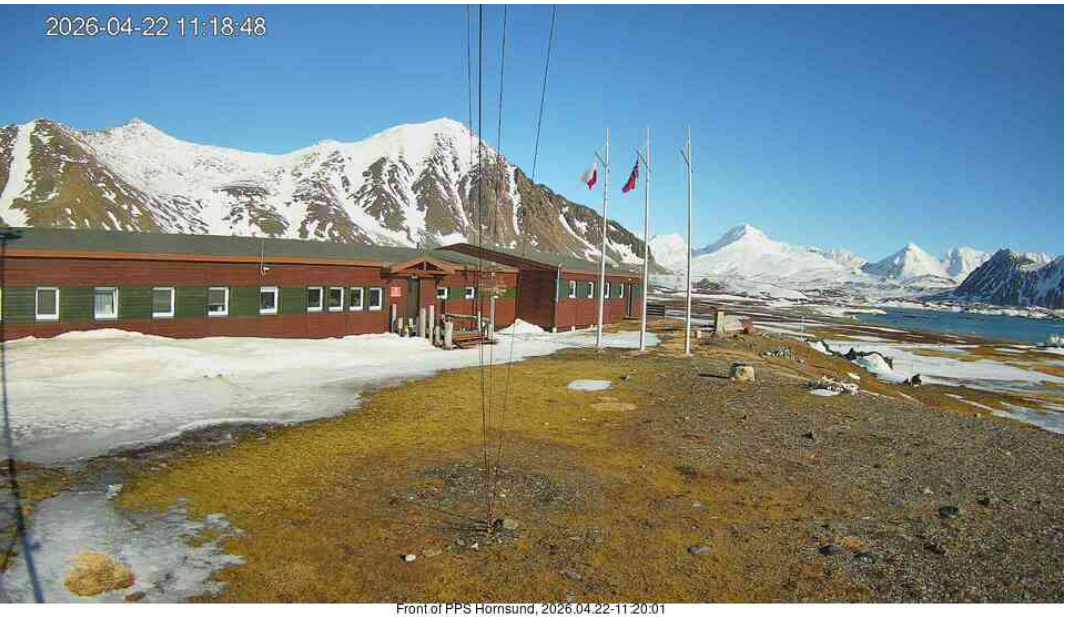
A Polish research team has been unable to reach the Polish Polar Station Hornsund for the first time in decades after record warmth and a lack of snow made snowmobile travel impossible, scientists involved in the expedition told PAP.
The expedition, organised by researchers from the Institute of Geophysics Polish Academy of Sciences and the University of Silesia in Katowice, was scheduled to conduct fieldwork on glaciers in April as part of international climate research projects in the Arctic.
Researchers said unusually high temperatures and unstable environmental conditions prevented access to key field sites, effectively halting planned measurements of snow and glacier processes.
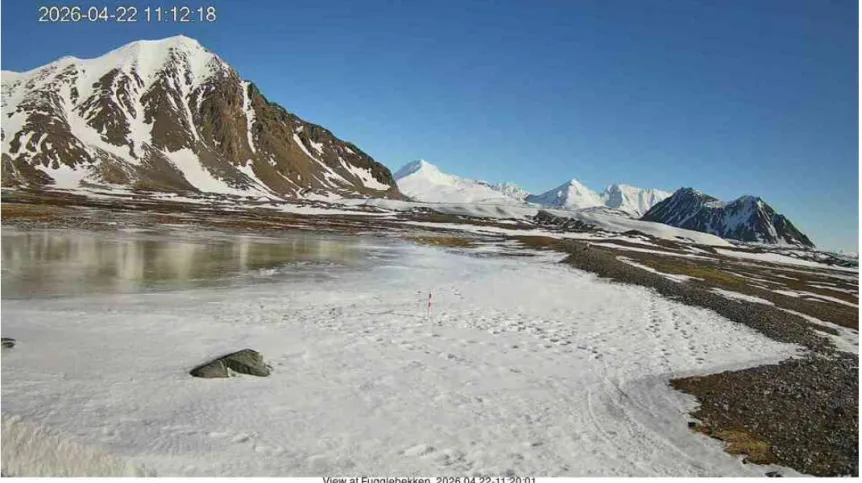
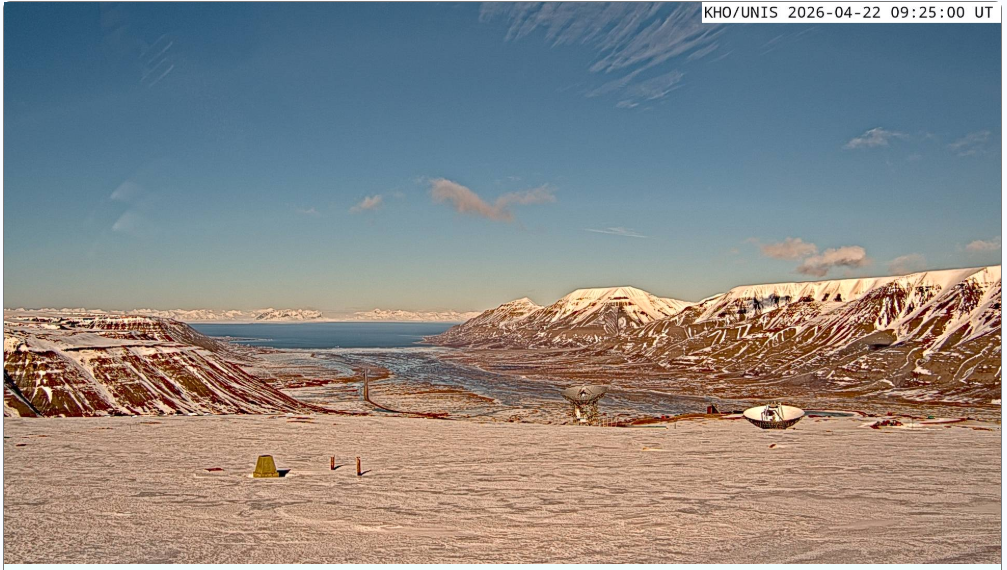
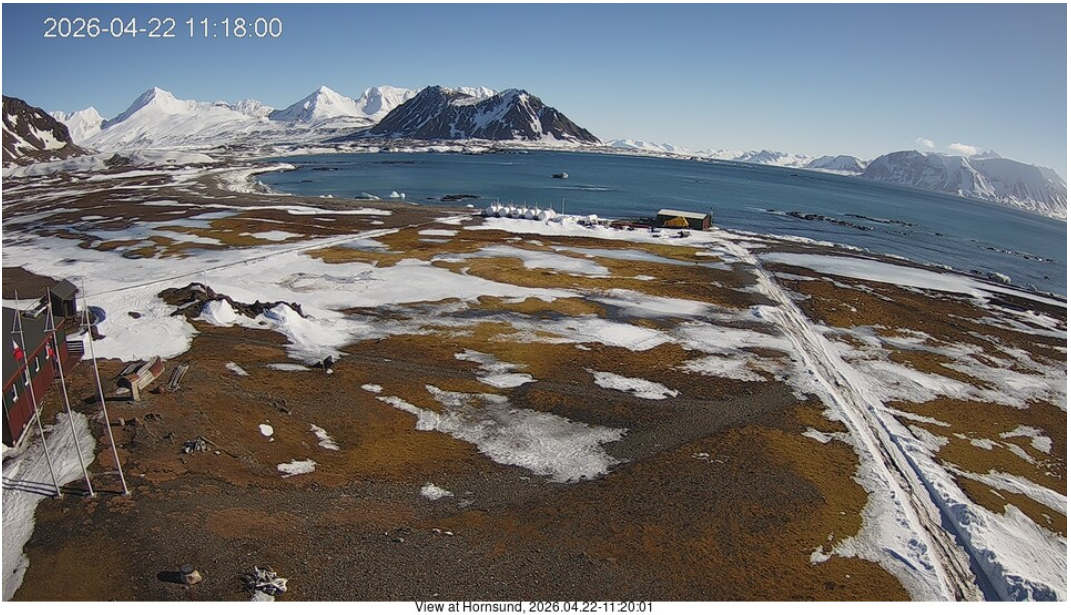
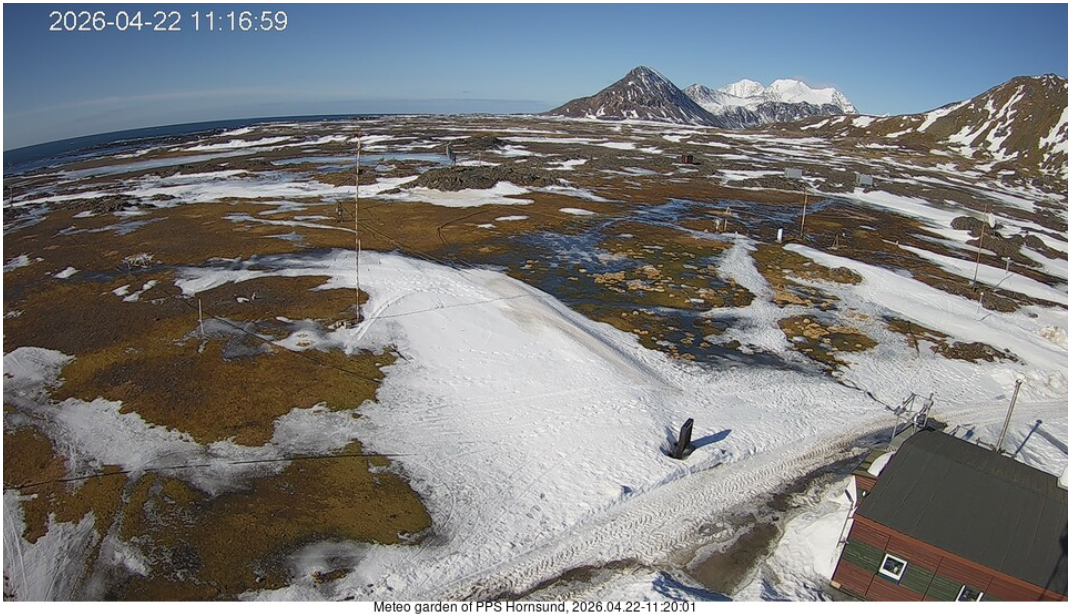
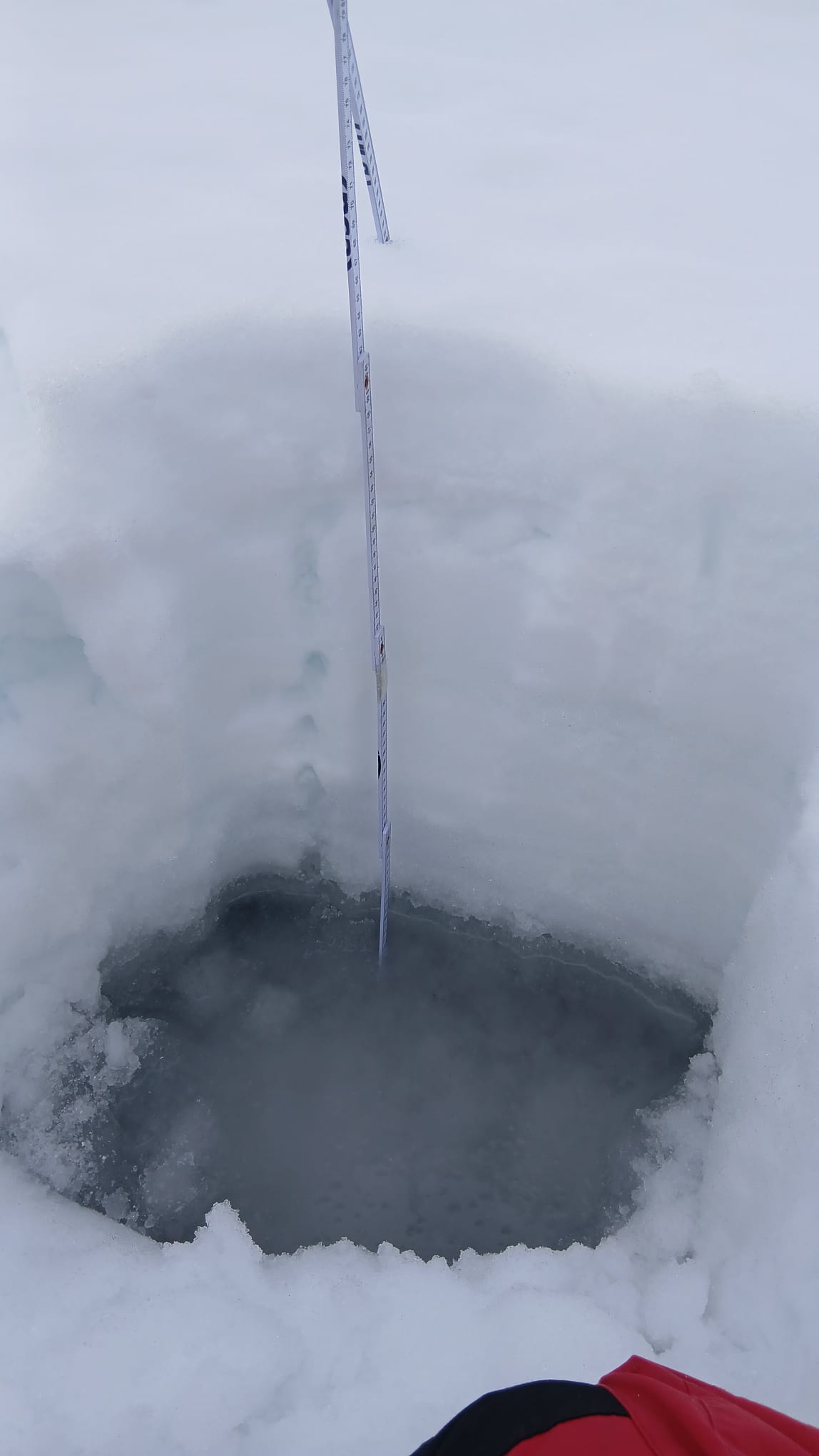
“In the Longyearbyen area, thermometers showed +4°C, while the norm for April is around -15°C. Instead of 30 cm of compact snow cover, we have bare ground. This made it impossible to reach Hornsund by snowmobile”, said Bartłomiej Luks.
Luks is leading the international LIQUIDICE project, which studies how glaciers and snow-dependent catchments in regions including Spitsbergen, Greenland, the Alps, the Himalayas and northern Norway respond to climate change.
According to researchers, the expedition faced a double barrier: thick sea ice prevented the ship from docking and unloading equipment, while rapid thawing along Spitsbergen’s western coast eliminated snow cover needed for overland travel.
“However, nature created a double barrier. First, the fjord was blocked by dense sea ice, preventing the ship from approaching and unloading the team and equipment. Second, since early April, the western coast of Spitsbergen has been experiencing a record thaw”, Luks said.
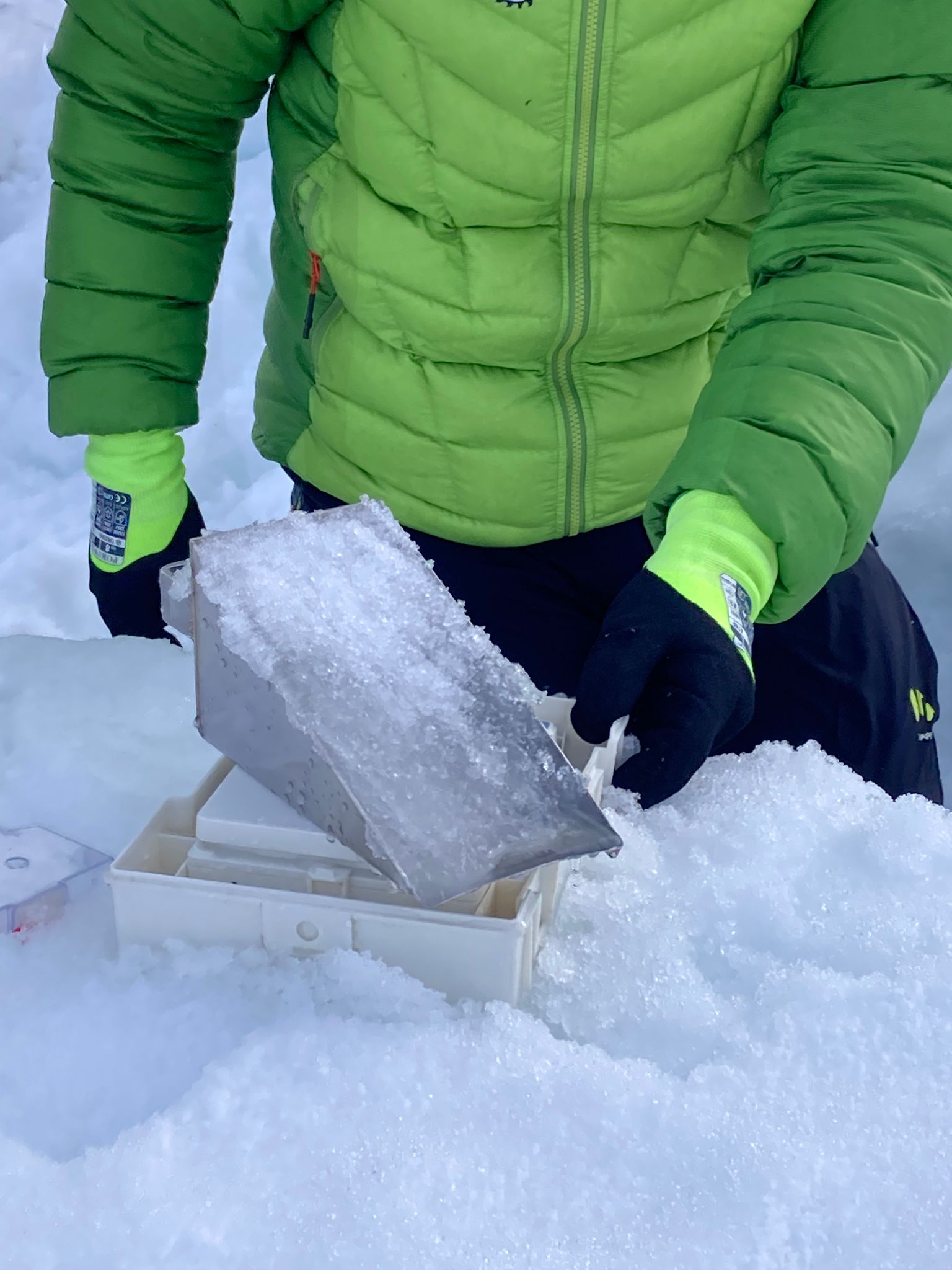
As a result, researchers were unable to carry out planned measurements of snow water equivalent, isotope-based experiments on evaporation in the Fuglebekken catchment, or hydrological monitoring of meltwater from the Werenskiold Glacier.
With field access blocked, scientists are now relying on limited data transmitted by overwintering staff at the station.
For the first time in decades, Polish researchers were unable to conduct direct fieldwork at the site, marking what they described as an unusually disrupted Arctic spring season.
“This year’s Arctic spring is going down in history as one of the most unpredictable and challenging for science”, Luks said.
Partner teams from Norway and Italy were also affected. The Norwegian research organisation NORCE withdrew from part of the planned fieldwork, while Italian scientists from the CNR Institute of Polar Sciences completed only limited activities due to rapidly melting snow conditions.
Researchers say the disruption highlights growing limitations of traditional field expeditions in the Arctic, where warming temperatures are rapidly shortening the seasonal window for ground-based research.
According to Luks, the situation underscores the need to expand reliance on satellite observations and unmanned systems.
“The scientist stresses that this year’s crisis demonstrates how crucial it is to develop remote sensing techniques. Satellites and unmanned aerial vehicles are becoming the only viable way to monitor the Arctic as the weather window for human fieldwork rapidly closes”, he said.
Malnes suggested that conventional spring snowmobile expeditions may soon become unreliable.
“Traditional snowmobile expeditions in April are becoming too risky and unpredictable. In the future, we may need to plan them earlier, in mid-winter, although that comes with the challenges of the polar night”, said Eirik Malnes.
Luks said the conditions in Svalbard reflect broader Arctic warming trends, which are occurring several times faster than the global average and are already affecting ecosystems, logistics and scientific access to remote regions. (PAP)
PAP - Science in Poland
akp/ zan/
tr. RL