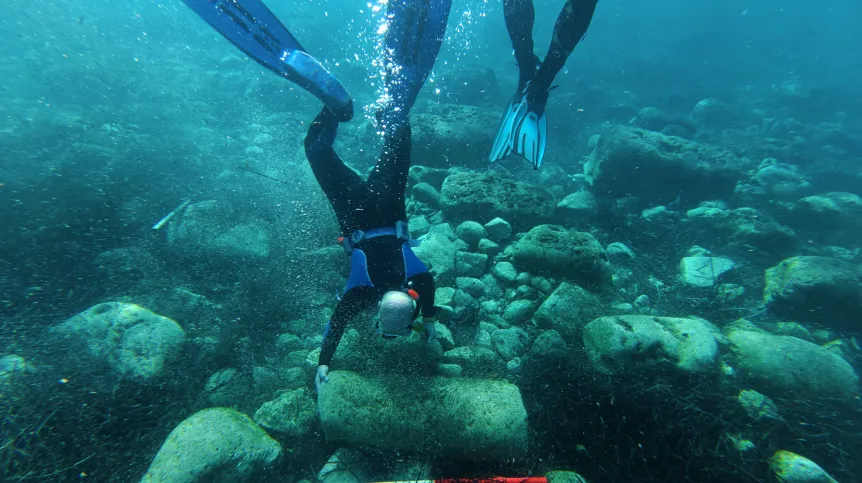
Archaeologists from the University of Warsaw have uncovered a more than 100-metre-long strip of ancient shipwreck remains near the port of Ptolemais in current-day Libya, indicating multiple maritime disasters occurred along the route to the city, researchers said.
The discovery was made during underwater surveys led by Bartosz Kontny, with overall research at the site headed by Piotr Jaworski.
‘It was definitely several ships not one, because the wreckage strip stretches for over 100 meters. This is a place where disasters must have occurred periodically. This is also a good starting point for long-term underwater research at Ptolemais’, Jaworski said.
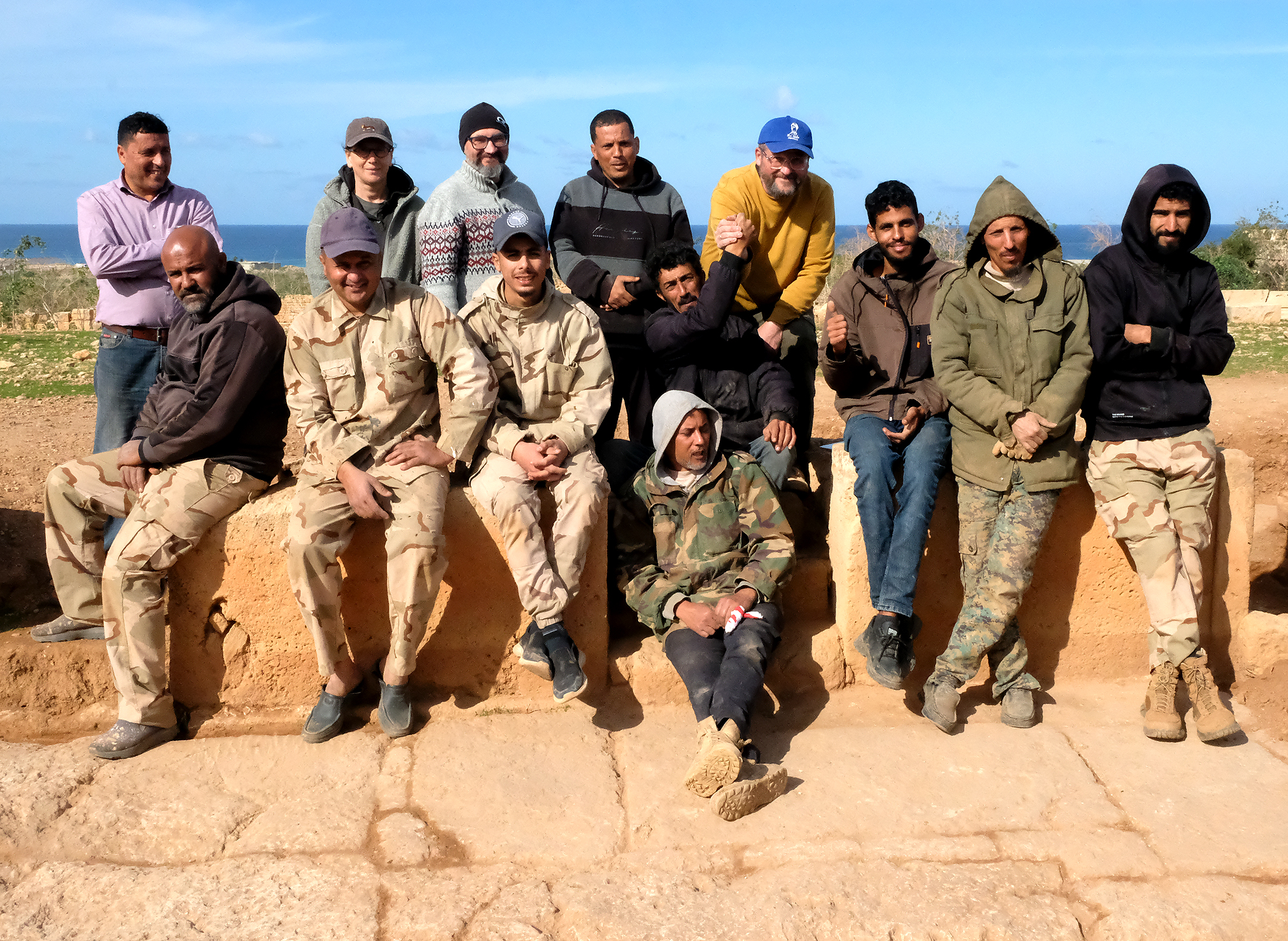
Ptolemais, one of the largest ancient Greek cities in the region of Cyrenaica in present-day Libya, was founded by the Ptolemaic dynasty between the late 4th and 3rd centuries BCE and remained in use until the Arab conquest in the 7th century CE.
The Polish team resumed excavations in 2023 after a 13-year pause caused by the Libyan civil war. Since then, they have conducted both land and underwater research, including exploration of the acropolis and the ancient port.
‘Over the centuries, the level of the Mediterranean Sea has risen slightly, and earthquakes have also caused the coast to erode. As a result, part of the ancient port infrastructure is now underwater. We found ancient columns, traces of submerged roads, numerous dropped anchors, and probes used to explore the seabed in antiquity. We will be examining all of this in the coming seasons’, Kontny said.
The shipwreck zone lies near a shallow rock formation, a likely hazard for vessels approaching from the east. Alongside structural remains, researchers recovered cargo fragments, including amphorae and a bronze aequipodium—a component of a Roman balance scale shaped like a woman’s head and filled with lead.
‘We found what is probably crystallised wine in one of these amphorae. All these finds are currently being analysed, and we are waiting for the results of these analyses’, Jaworski said.
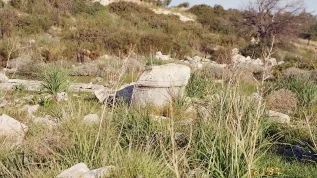
On land, a separate team led by Szymon Lenarczyk identified a previously unknown road leading to the acropolis, located about 300 metres above sea level.
‘We could not have imagined that such an impressive road could have led there from the south. We also discovered traces of probable observation towers, which may be remnants of the city's defence system and could have served to provide early warning of threats’, Jaworski said.
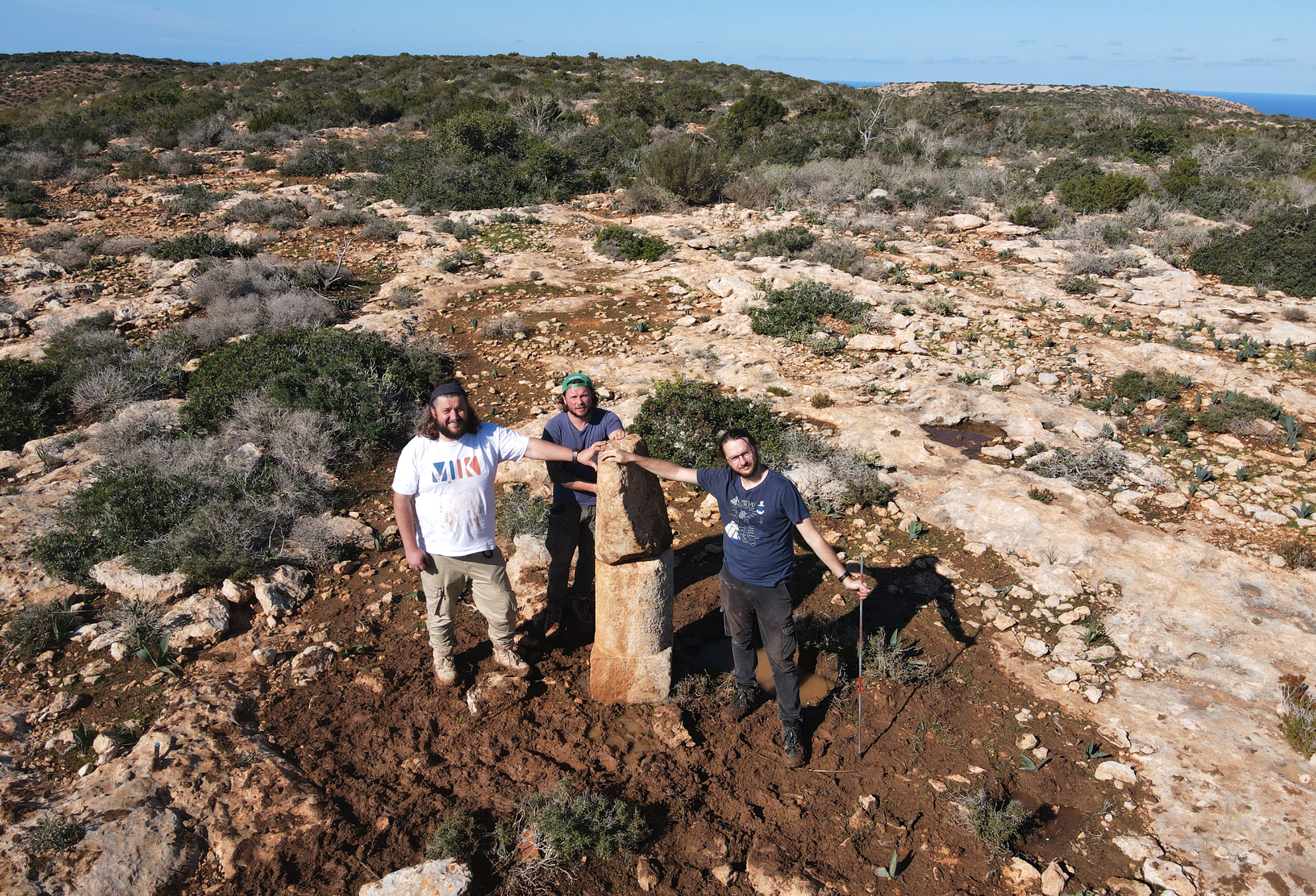
Near the road, archaeologists uncovered a Roman milestone bearing a Greek inscription from the Severan dynasty, dated to the first half of the 3rd century CE, suggesting further infrastructure remains may be present.
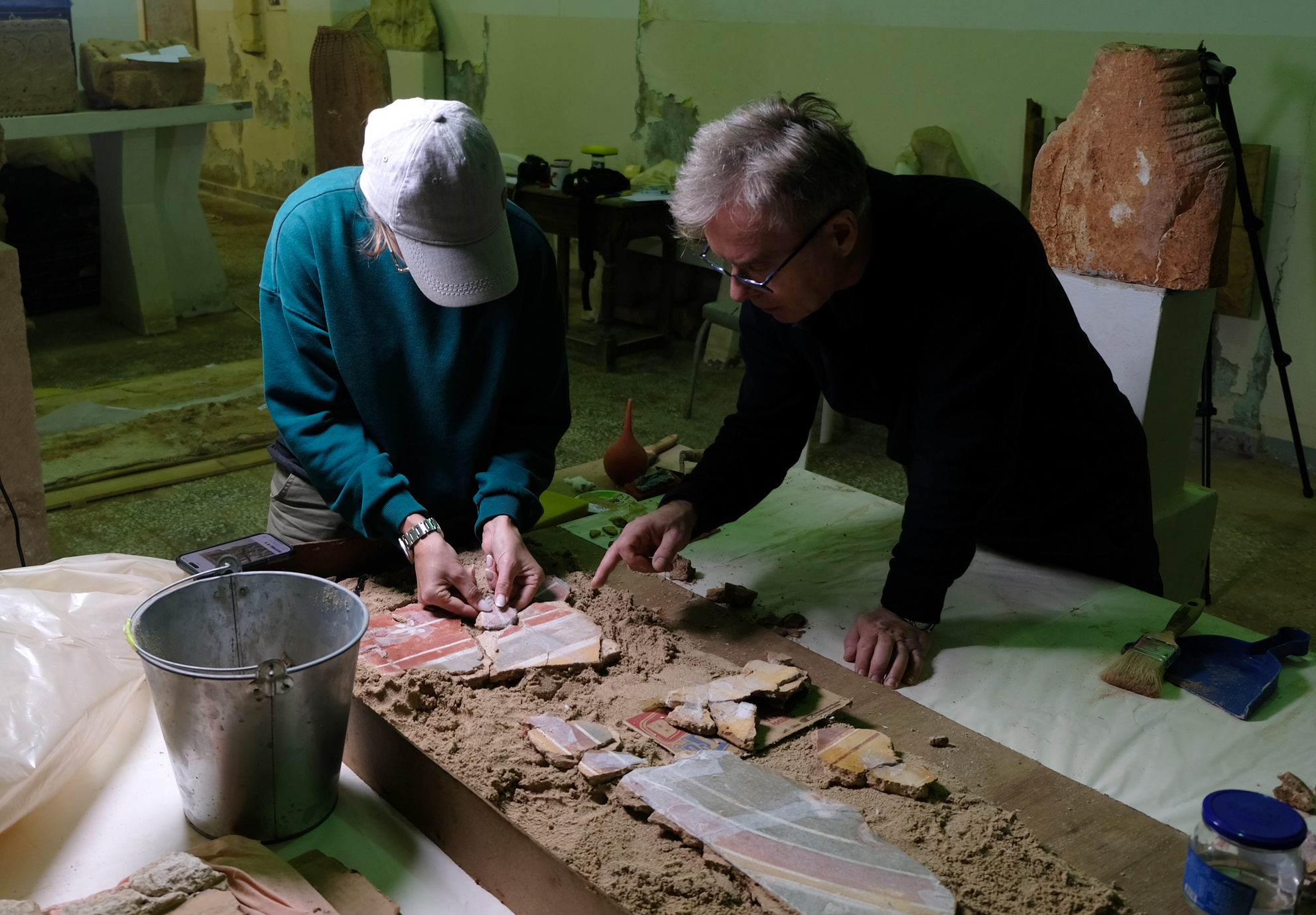
Conservation work is being carried out in parallel by specialists from the Academy of Fine Arts in Warsaw under the supervision of Krzysztof Chmielewski. Their work includes preserving wall paintings and restoring artefacts previously transferred to a local museum.
The project marks 25 years of Polish archaeological work in Libya. Researchers say most of the ancient city remains unexplored.
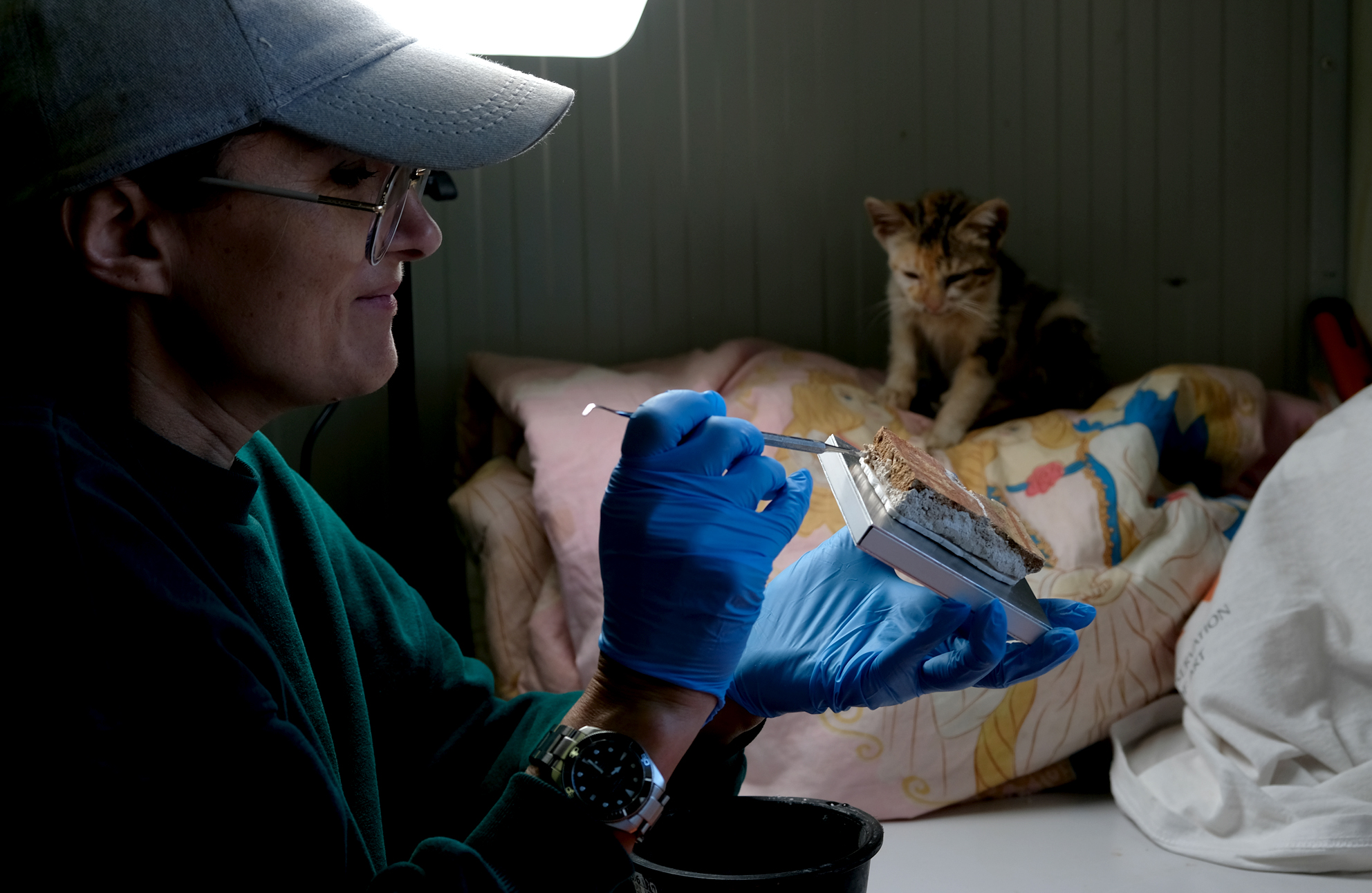
‘We work in a place where monuments of great ancient art, mosaics and paintings, are commonplace and require extensive conservation work. In 2026, we celebrate the 25th anniversary of our excavations in Libya. Practically the entire city remains to be discovered. We have many years of work ahead of us for future generations of archaeologists, so we want to initiate as many research topics as possible’, Jaworski said.
PAP - Science in Poland, Ewelina Krajczyńska-Wujec (PAP)
ekr/ agt/
tr. RL