
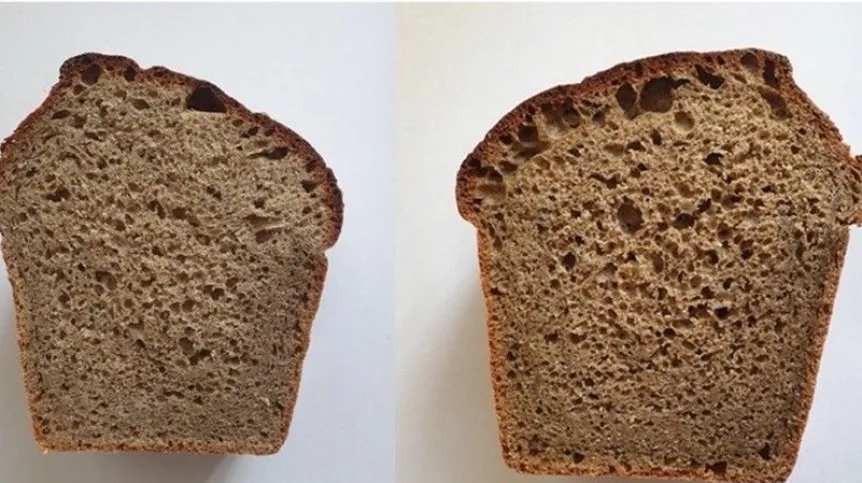
Bread made with cricket flour became more appealing to consumers once they learned it contained insect-based protein, with some participants rating it higher after the ingredient was revealed, according to a study by researchers at the Poznań University of Medical Sciences.
The research, led by doctoral candidate Dominika Sikora, examined how adding house cricket flour to wheat bread affected taste, aroma, texture and willingness to purchase the product. The findings were published in the British Food Journal.
“We suspected that simply being aware of the presence of insects in a product could change how it was evaluated,” Sikora told PAP.
“This is important, especially if you are considering reducing meat or dairy content in your diet,” said added.
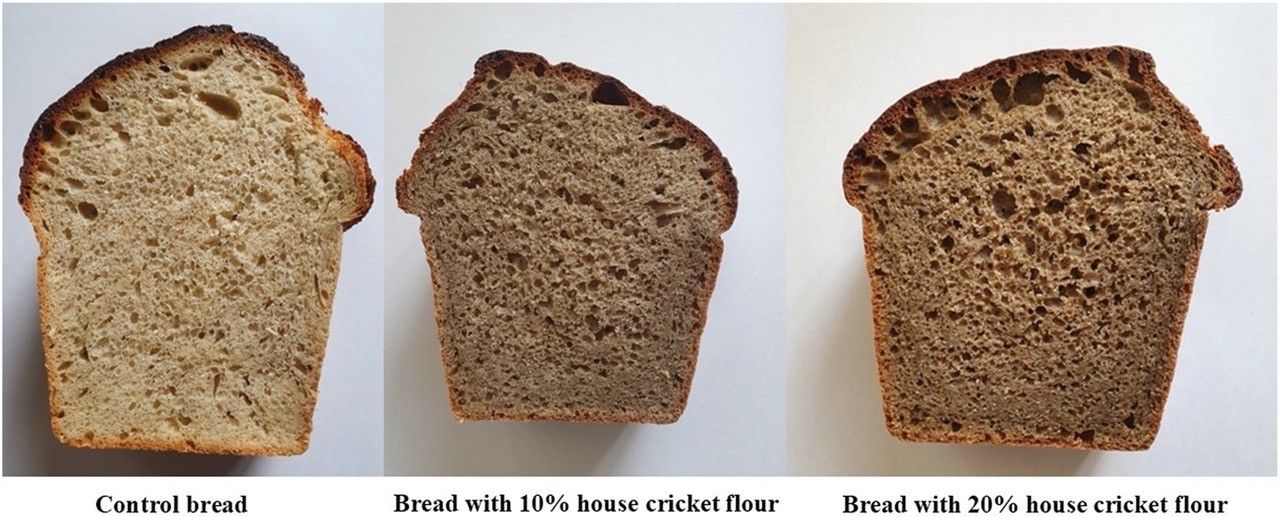
Researchers tested three types of bread among female university students: a standard wheat loaf, bread containing 10% cricket flour and bread containing 20% cricket flour. House crickets are rich in protein, containing nearly 70% protein content, and also provide minerals such as iron, calcium and zinc.
In the first stage of the experiment, participants were not told that some samples contained insect flour. They rated the standard wheat bread highest, followed by the 10% cricket flour bread, while the 20% version received the lowest scores.
“The lack of information about the fact that they were eating bread containing insects was intended to make their evaluation purely sensory,” Sikora said.
“However, this does not mean that the participants completely rejected these products. While slightly lower than those for wheat bread, their ratings were still within the acceptable range,” she added.
In the second phase, participants were informed that the breads contained varying amounts of insect flour. In reality, they were tasting the same samples again.
“This time, we wanted to test whether knowledge of the insect flour would affect the sensory evaluation of the bread. There is a belief that if something disgusts us, the mere awareness of its presence worsens our taste experience,” Sikora explained.
Instead, researchers found that informing participants about the insect flour either maintained or improved ratings. Bread containing 10% cricket flour achieved scores comparable to the control bread from the first phase, while the 20% version was rated slightly better than before, though still below standard wheat bread.
“A possible explanation is that in the first trial, participants focused solely on the sensory aspects of the bread. They noticed that it was darker, smelled and tasted differently, and had a slightly different texture. After the ingredients were revealed, they began to perceive it in a different category - not as a typical breakfast or dinner addition, but as a product with additional health-promoting and nutritional benefits. From this point of view, they were more likely to accept its characteristics and rate it more favourably, which also translated into purchase intentions,” Sikora said.
She added that the study included only young women, a group that previous studies suggest may be more likely to feel disgust toward insects, but also more open to trying new foods. Future research is expected to include broader demographic groups.
The study forms part of growing international research into alternative protein sources as scientists and policymakers seek more sustainable food options amid rising global food demand and climate change concerns.
PAP - Science in Poland, Katarzyna Czechowicz (PAP)
kap/ bar/
tr. RL