
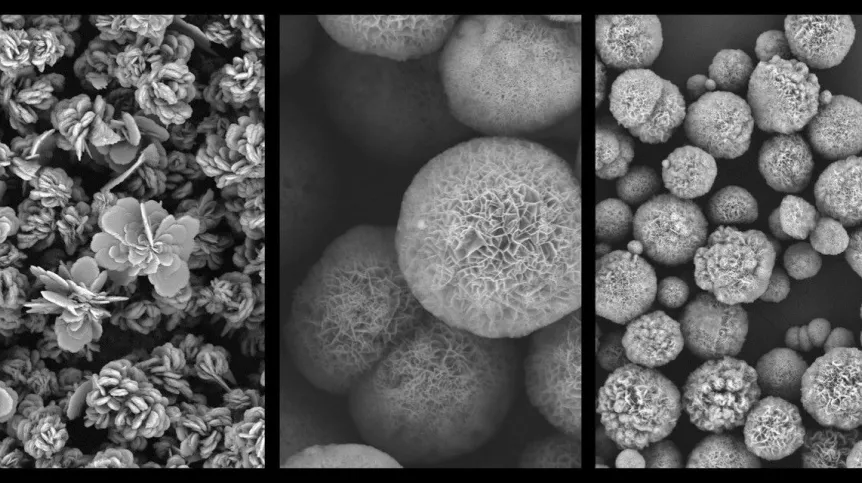
Polish researchers have developed microscopic “nanoflowers” that allow antibiotics to be delivered directly to infected bones, enabling drugs to act faster, more effectively, and with reduced toxicity. The technology could be a breakthrough in the treatment of osteomyelitis, a severe bone and bone marrow disease that can lead to bone necrosis and growth disorders in children.
One of the directions of modern nanotechnology is the search for ways to precisely deliver drugs to the exact sites where they are needed, bypassing healthy tissue and reducing systemic toxicity. This approach increases therapy effectiveness while lowering the risk of side effects, which is particularly important for treating cancer and conditions such as severe osteomyelitis.
Osteomyelitis is considered one of the most difficult infectious diseases to treat. It develops from bacterial infection, most often with Pseudomonas aeruginosa or Staphylococcus aureus. The disease can affect anyone, although it is most common in children under 13, trauma patients, and those recovering from surgery. In extreme cases, it leads to bone necrosis, which can result in limb amputation, and in young children it can cause growth disorders and chronic deformities.
Treatment of osteomyelitis requires weeks of strong antibiotics, such as ciprofloxacin or vancomycin. Therapy can be difficult and ineffective because bacteria can reside in bone sections with poor blood supply, where only limited quantities of the drug reach, or in biofilms, which protect against drugs and the body’s immune response. Furthermore, strong agents often cause serious side effects, including kidney and liver damage, and hematological disorders.
For this reason, Kamila Sadowska, PhD, a professor of Osteomyelitis at the Institute of Biocybernetics and Biomedical Engineering of the Polish Academy of Sciences, has sought ways to administer antibiotics directly to infected bone tissue. The researcher, along with colleagues from the Faculty of Chemistry of the University of Warsaw, Gdańsk University of Technology, and the Medical University of Lublin, used nanostructures she had created.
‘Our nanoflowers are composed of two components: an organic component, which is a protein, in this case bovine serum albumin (BSA), and an inorganic component – usually metal phosphates,’ she explained.
This choice of components is not random. Bone tissue also has a hybrid structure consisting of a protein and a mineral component, increasing the carrier’s affinity for the tissue.
‘In our research, we use bovine serum albumin, although ultimately it will be human serum protein, which naturally occur in mammals,’ Sadowska said.
The selection of the inorganic component, which determines the properties of the structure, is crucial. The chemist noted that although the first nanoflowers were produced using copper ions, their medical use was limited because copper is toxic at high concentrations. Researchers began searching for safer alternatives.
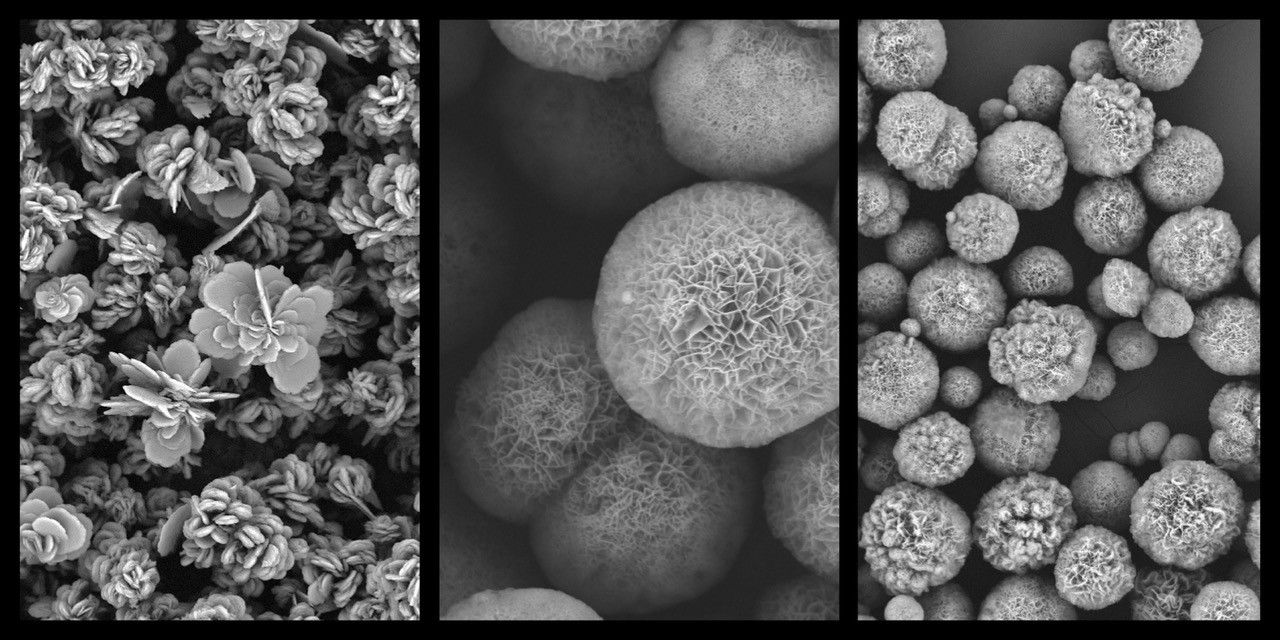
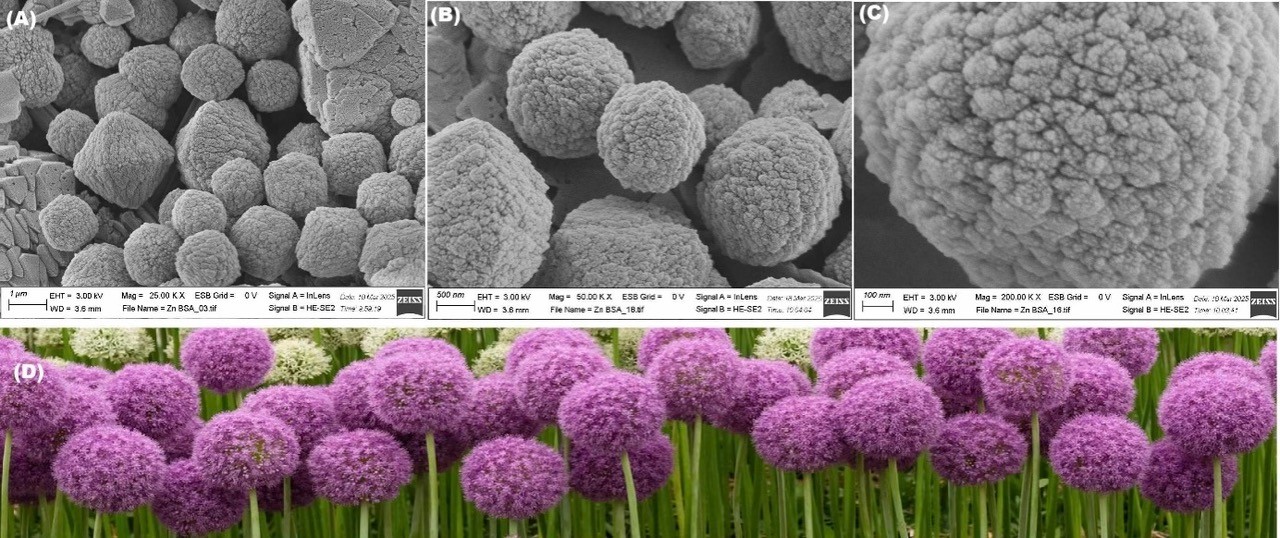
One direction involved calcium phosphate in the form of hydroxyapatite, a natural bone component, which allowed the team to obtain nanostructures resembling bone tissue, as described in an earlier publication. ‘However, we are still searching for other metal ions that are more likely to form nanoflower complexes with proteins, which increases the reaction efficiency, crucial for real-world applications. In the latest publication, we focus on zinc phosphate, which meets these requirements,’ Sadowska said.
To produce nanoflowers, an aqueous solution of a metal salt is added to a protein solution in phosphate buffer. Metal ions and protein molecules spontaneously organize. Small structures form, acting as crystallization nuclei, which gradually grow into systems composed of many tiny “petals.”
According to Sadowska, even the nanoflowers alone can support bone regeneration when administered to infection sites. The study’s goal, however, was to combine them with antibiotics to combat bacteria causing osteomyelitis. The next step was introducing ciprofloxacin into the material.
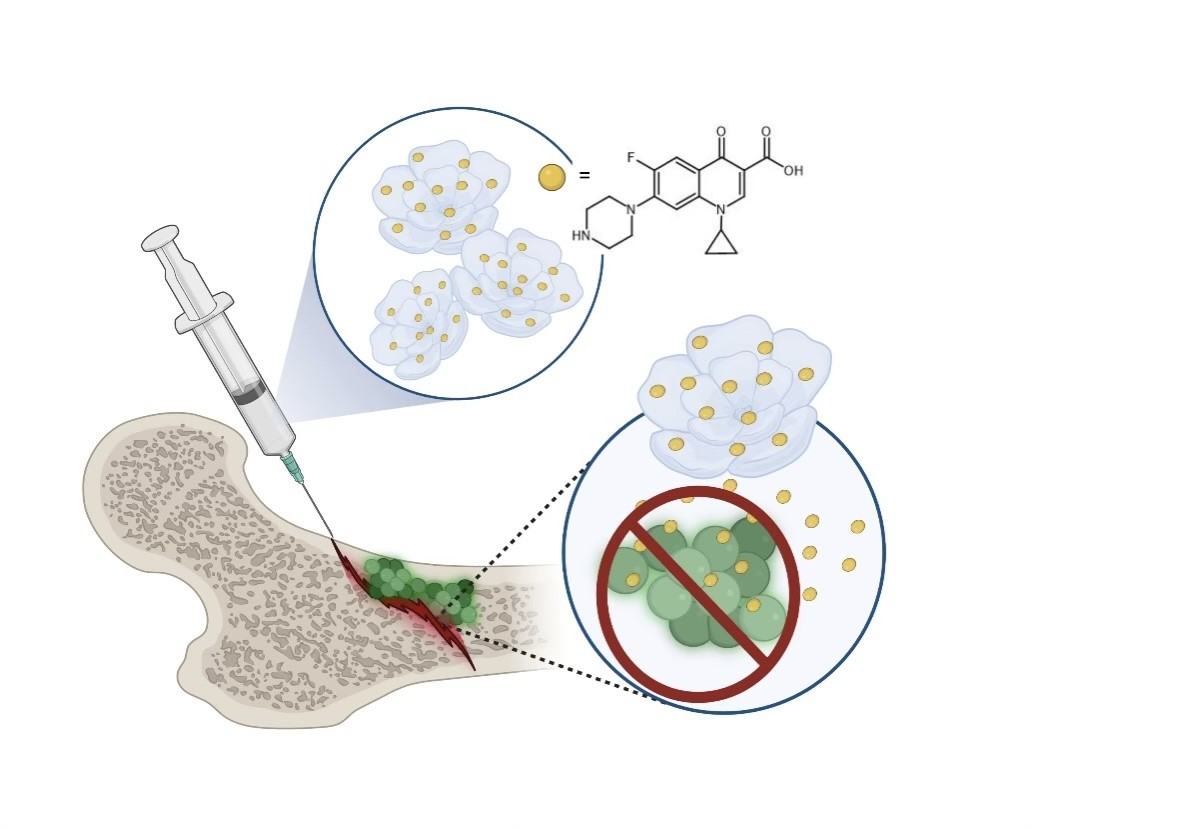
Laboratory analyses confirmed that drug molecules were effectively incorporated into the carrier. Biological tests in vitro and in animal models showed that nanoflowers effectively inhibited pathogenic bacteria growth with low toxicity and good cellular tolerance, indicating the system could provide a safe platform for local drug delivery.
‘When an antibiotic is administered systemically, for example, intravenously or orally, it is distributed throughout the body, also affecting healthy tissues. In the case of osteomyelitis, achieving therapeutic drug concentrations at the site of infection often requires high doses and prolonged therapy, which increases the risk of adverse events. Bone has a relatively poor blood supply in the area of infection, further complicating treatment. The nanoflower system we have developed enables concentrated antibiotic delivery directly to the site of infection, potentially reducing the need for high systemic doses,’ Sadowska emphasised.
She added that this approach is particularly important because bacterial infections in bone can be very extensive, sometimes covering up to one-third of the bone volume and requiring surgical removal of infected marrow, leaving tissue defects. ‘Early antibiotic administration at the site of infection effectively destroys bacteria, and the organic-mineral structure incorporated into the nanoflowers simultaneously supports bone tissue regeneration and accelerates the healing process. This increases the chances of effective treatment and reduces the need for invasive procedures,’ Sadowska said.
PAP - Science in Poland, Katarzyna Czechowicz (PAP)
kap/ zan/
tr. RL