
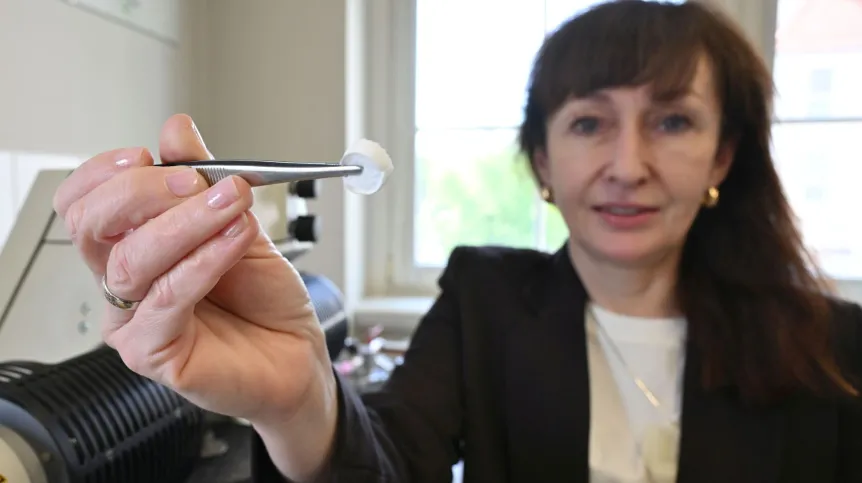
Scientists led by the Wrocław University of Science and Technology will develop a biomaterial designed to regenerate damaged bone and cartilage tissue under the REGENESIS project, an international initiative worth more than €1.4 million.
The project aims to create a layered bioactive implant for treating osteochondral injuries and restoring the interface between bone and cartilage, which researchers say current therapies often fail to repair fully.
“The material we are developing, called REGEniq, will have a layered structure, each layer designed to support the regeneration of a different type of tissue’, said Małgorzata Gazińska, research coordinator at the university.
Researchers said the biomaterial must have mechanical and viscoelastic properties similar to natural tissue while remaining stable under load.
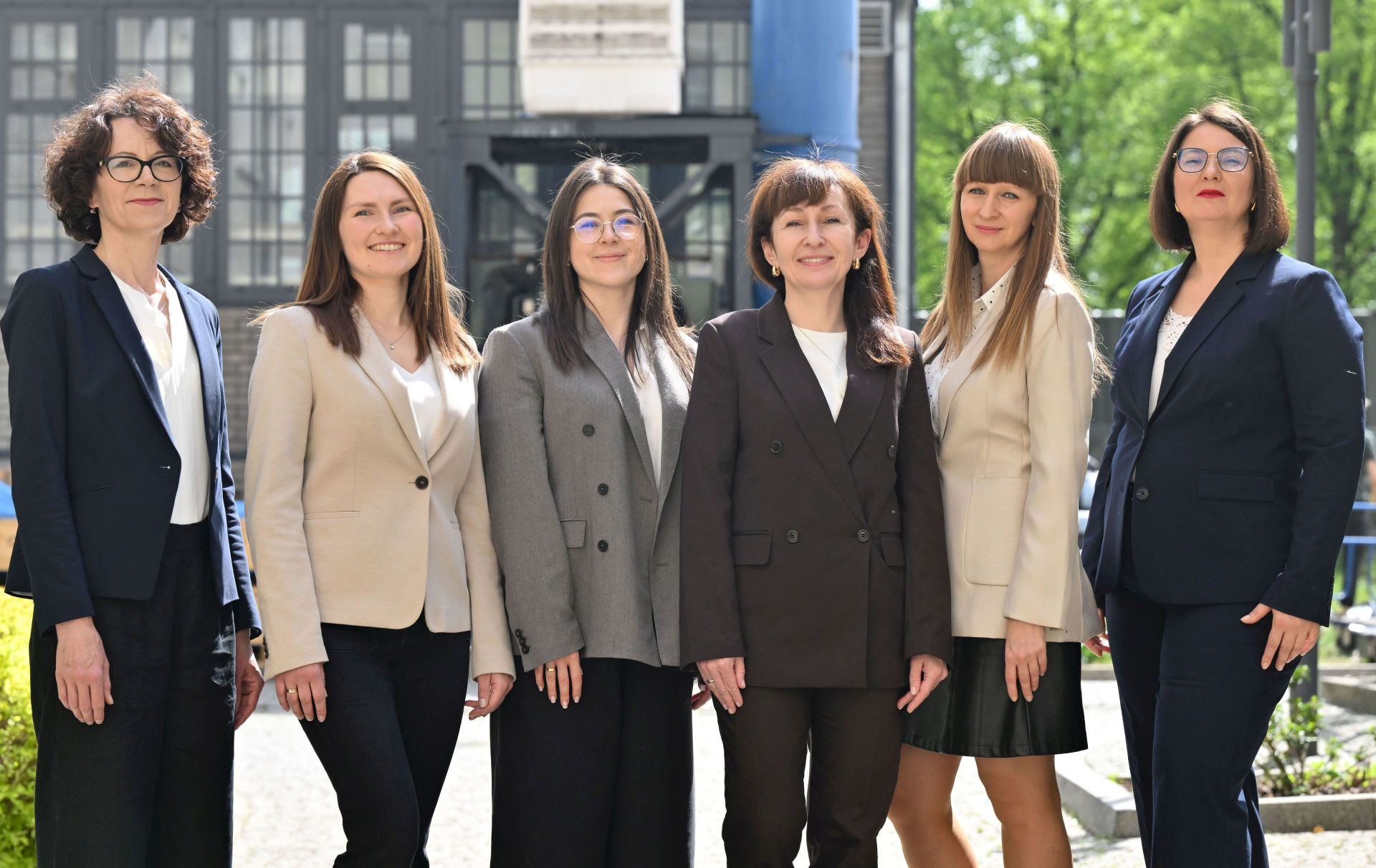
“The material must not only deliver the appropriate biological signals, but also +work+ with the body. The challenge will undoubtedly be to permanently connect the layers so that the implant does not delaminate under load’, Gazińska adds.
The consortium plans to use stem-cell mobilisation techniques, guiding peptides and photocrosslinking methods to stabilise the material’s structure.
Scientists said the biomaterial could enter clinical trials within 10 years at the earliest.
The project is coordinated by the Wrocław University of Science and Technology in cooperation with the University of Gdańsk, the University of Łódź, Polbionica, the Josef Stefan Institute, Laval University and Biomomentum.
Funding is provided through the M-ERA.NET 3 programme and co-financed by the Polish National Centre for Research and Development, the PRIMA organisation and the Slovenian Ministry of Higher Education, Science and Innovation. (PAP)
PAP - Science in Poland
pdo/ bar/
tr. RL