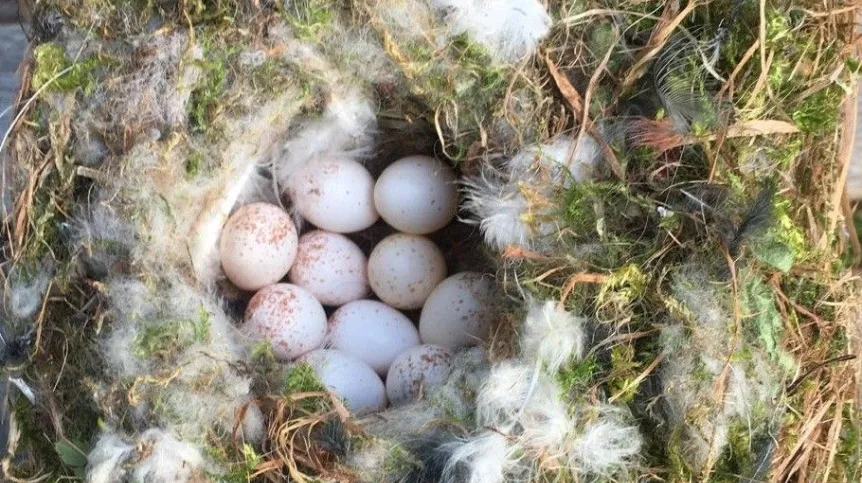
Blue tits are lining their nests with cigarette butts to reduce parasites and improve the health and survival chances of their chicks, scientists from the University of Lodz have found.
The study, published in Animal Behaviour, shows that chicks raised in nests containing cigarette remnants had better physiological condition than those raised without them, although researchers caution that potential long-term toxic effects remain unclear.
Scientists compared three types of nests: natural nests, natural nests supplemented with cigarette butts, and sterile nests prepared by researchers. Chicks raised in nests with cigarette butts had higher haemoglobin levels and haematocrit, while those raised in parasite-free sterile nests were the healthiest overall.
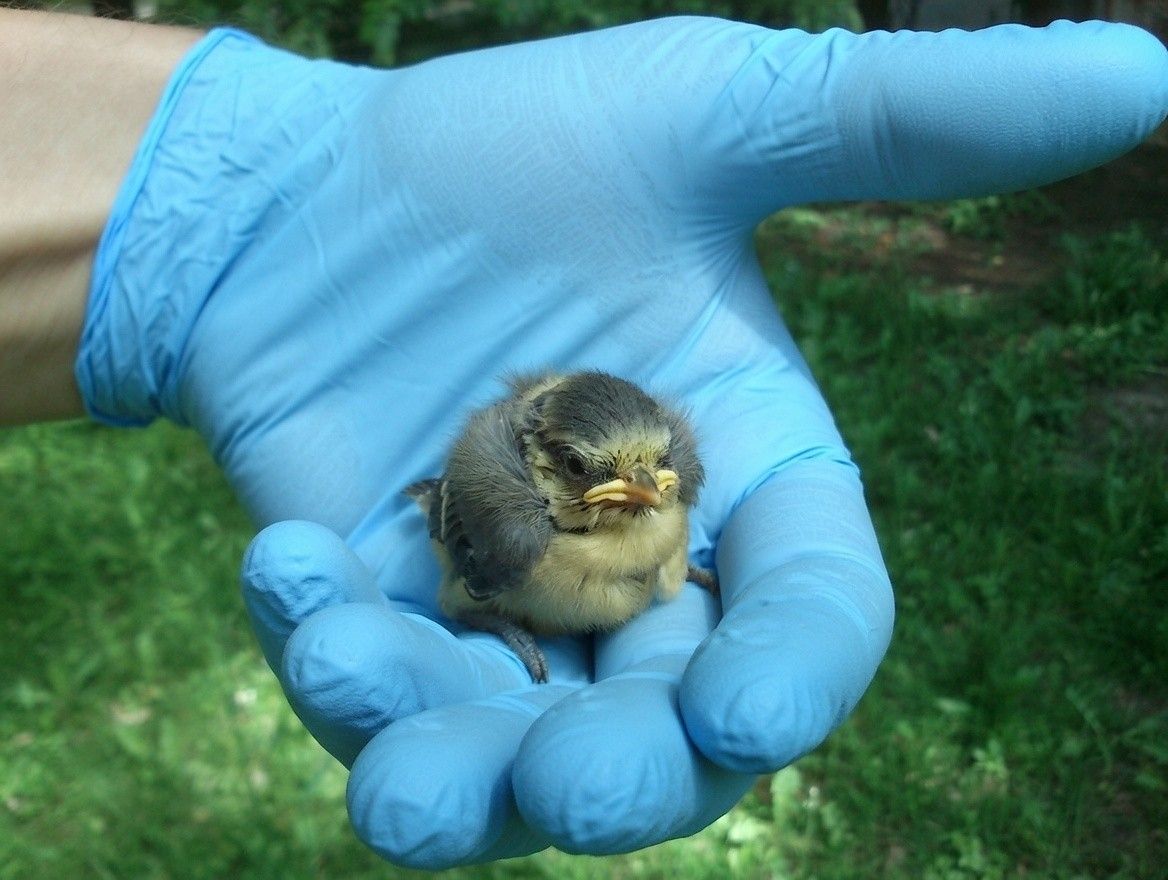
‘For us, the starting point for investigating this issue was the knowledge about a slightly similar, but different, interesting behaviour of blue tits. These birds often put aromatic plants in their nests, for example mint or lavender, which can act as natural repellents, repelling parasites such as ticks, fleas and blood-sucking flies. We began to wonder whether there might be an analogy with cigarette butts, especially since cases of this species collecting cigarette butts have also been previously recorded’, says Michał Glądalski, PhD, from the Faculty of Biology and Environmental Protection of the University of Lodz.
The researchers found that cigarette butts did not eliminate parasites completely but reduced their numbers enough to improve chick condition and increase survival chances.
Glądalski explains that cigarette filters contain chemical compounds, including nicotine, which negatively affect parasites by making it harder for them to locate nests, reproduce and survive.
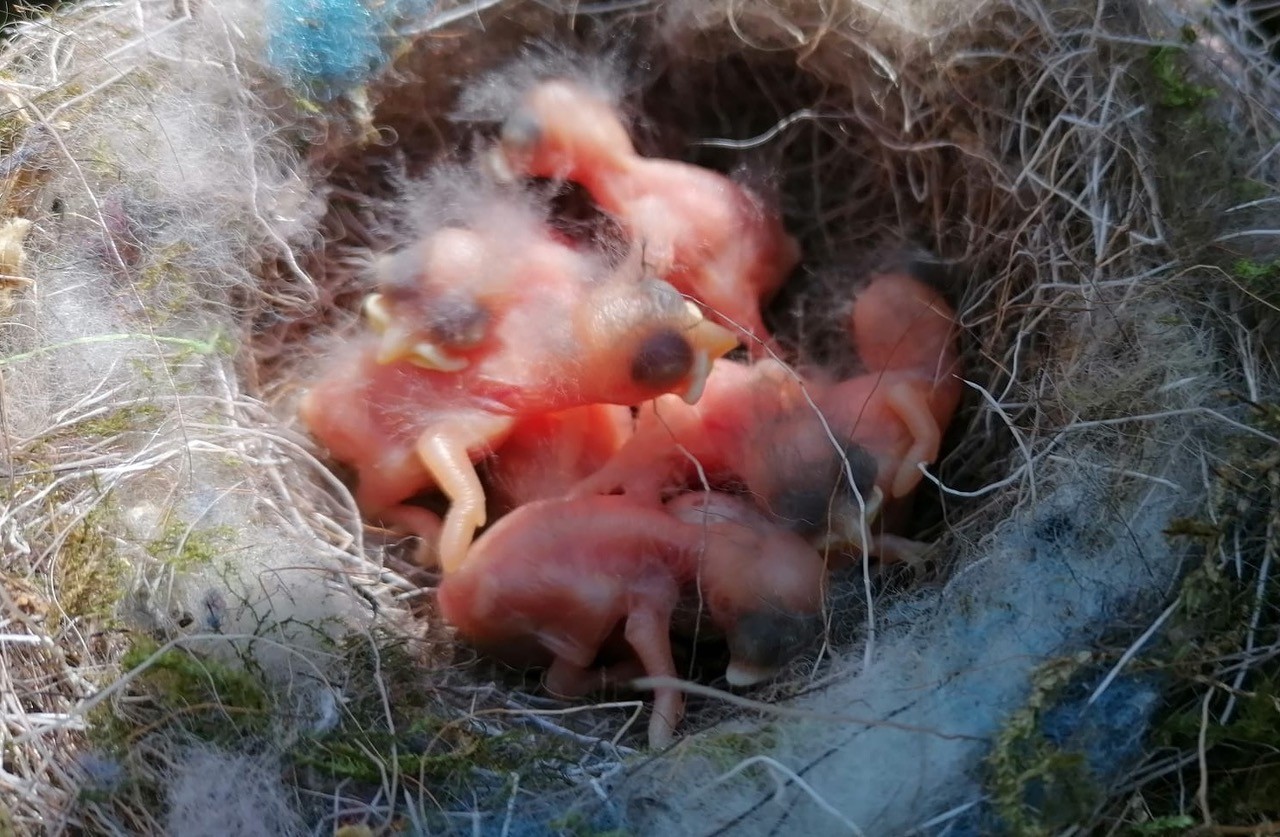
‘The positive effect of reducing parasites must be balanced against the potential toxicity of cigarette butts', says Glądalski and emphasises the need for further research to dispel these doubts.
Cigarette waste contains more than four thousand chemical compounds, including arsenic, polycyclic aromatic hydrocarbons and heavy metals, many of which are known to have genotoxic effects.
The behaviour has been observed before in urban birds, including sparrows in Mexico and several species in Europe, and is thought to reflect adaptation to human-altered environments where natural nesting materials may be limited.
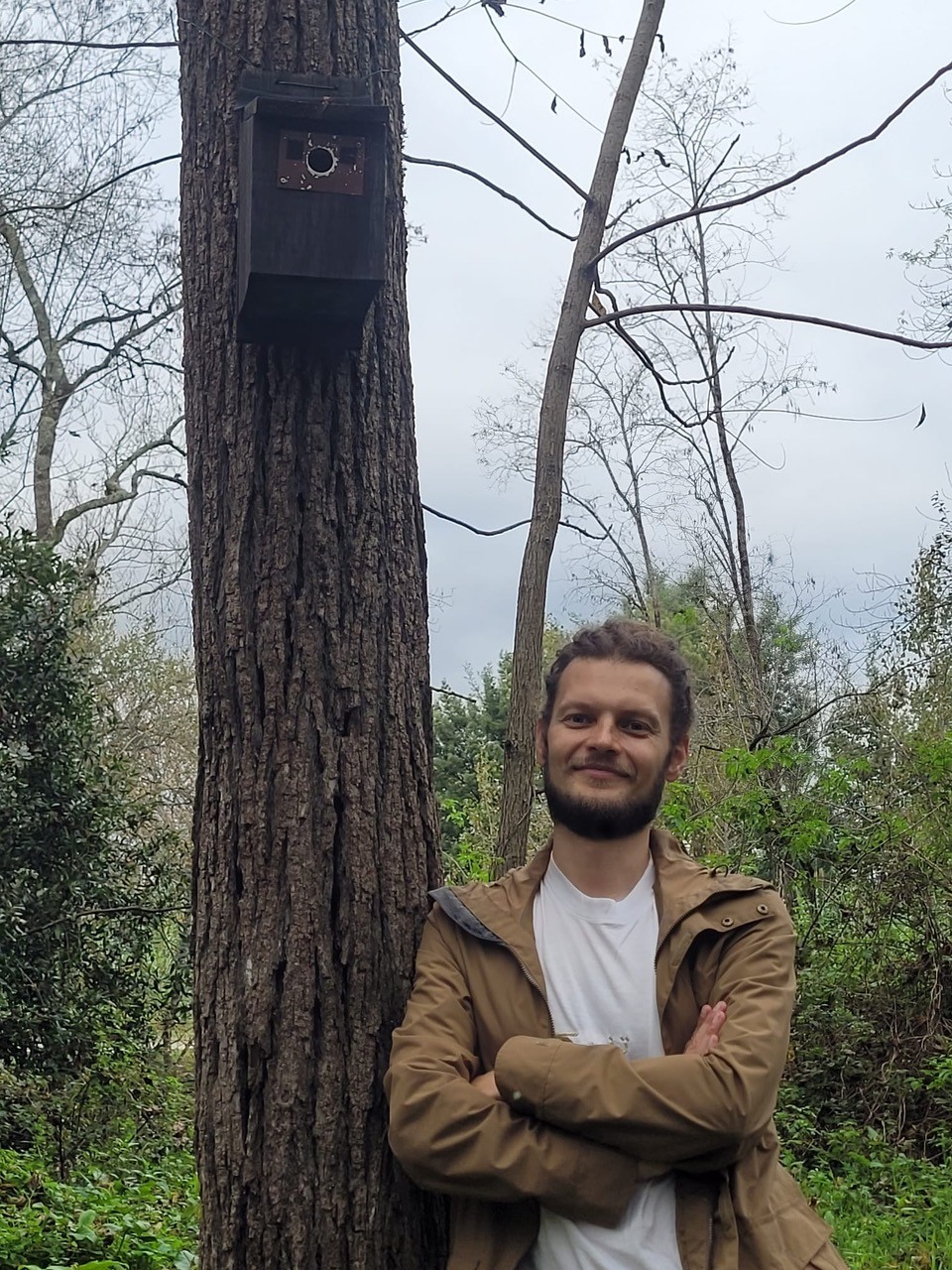
‘There are definitely instinctive mechanisms that play a role, but learning through observation is also important. It has been confirmed that birds learn from each other, e.g. from their neighbours. They often look into other birds’ nests, check how they are built, whether there are eggs in them, and at the same time, various interactions occur between pairs. Social life and observing others are definitely important to them', he says.
Researchers say further studies are needed to determine whether the short-term benefits of parasite reduction outweigh the possible long-term risks of exposure to toxic substances.
PAP - Science in Poland, Katarzyna Czechowicz (PAP)
kap/ agt/
tr. RL
Gallery (3 images)
-
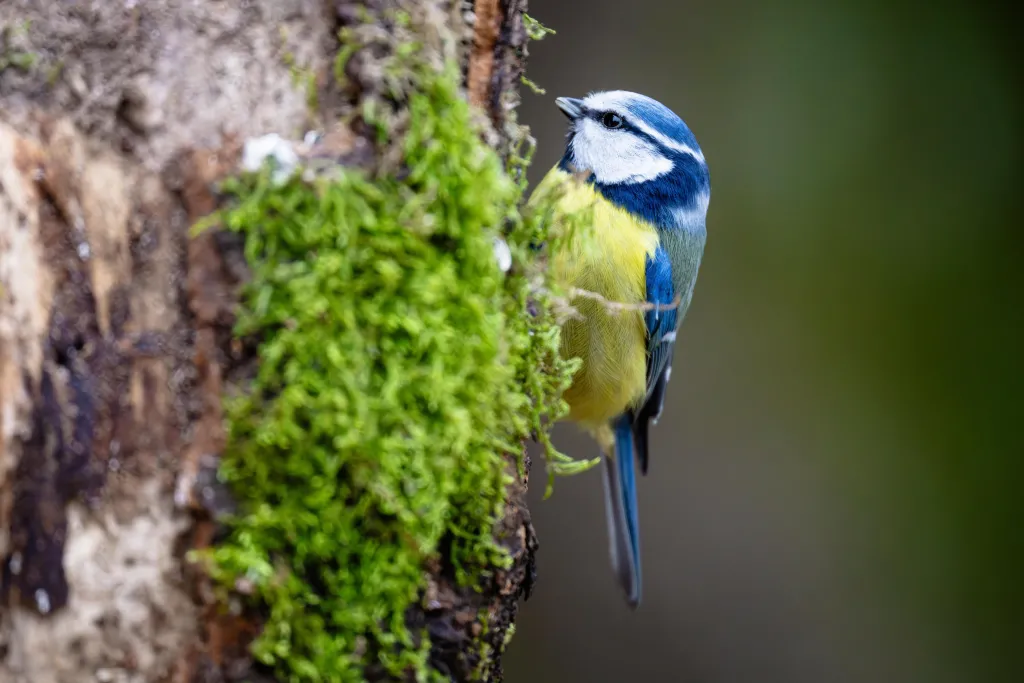 1/313.02.2025 Eurasian blue tit (Cyanistes caeruleus), a species of small, partially migratory passerine bird from the tit family (Paridae). In Poland, the blue tit has been a strictly protected species since February 13 of this year. PAP/Marcin Gadomski
 -
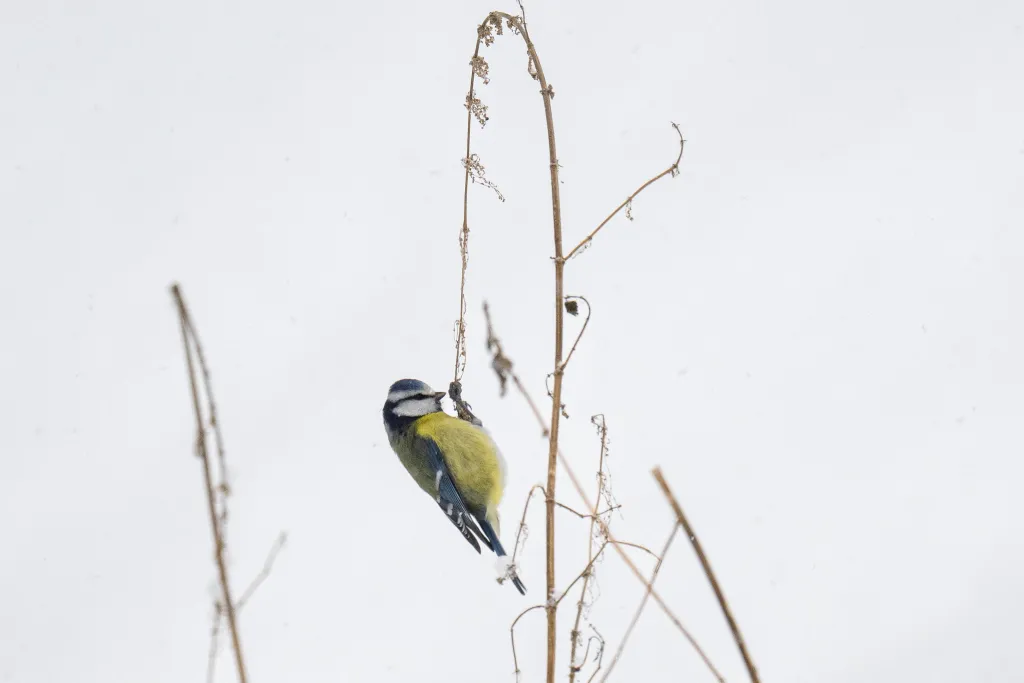 2/313.01.2026. Eurasian blue tit (Parus caeruleus) tries to extract seeds from a withered plant on a frosty afternoon in Przemyśl, February 13. Recent heavy snowfall and low temperatures make it difficult for birds to find food. (dd/ibor) PAP/Darek Delmanowicz
 -
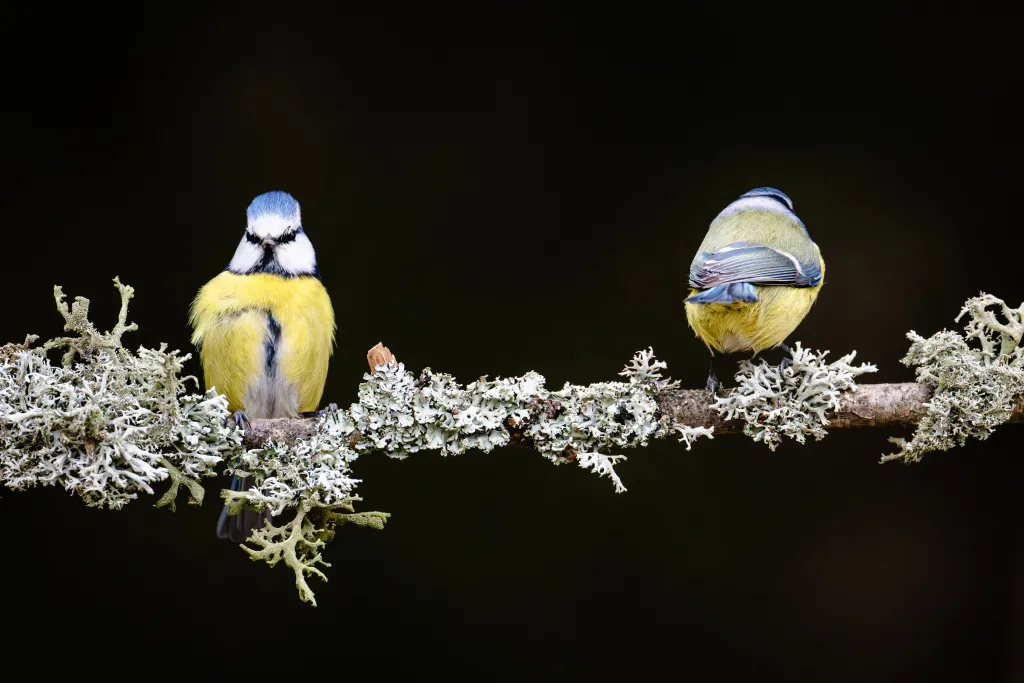 3/3Czubek, 13.02.2025 Eurasian blue tit (Cyanistes caeruleus), a species of small, partially migratory passerine bird from the tit family (Paridae). In Poland, the blue tit has been a strictly protected species since February 13 of this year. PAP/Marcin Gadomski