
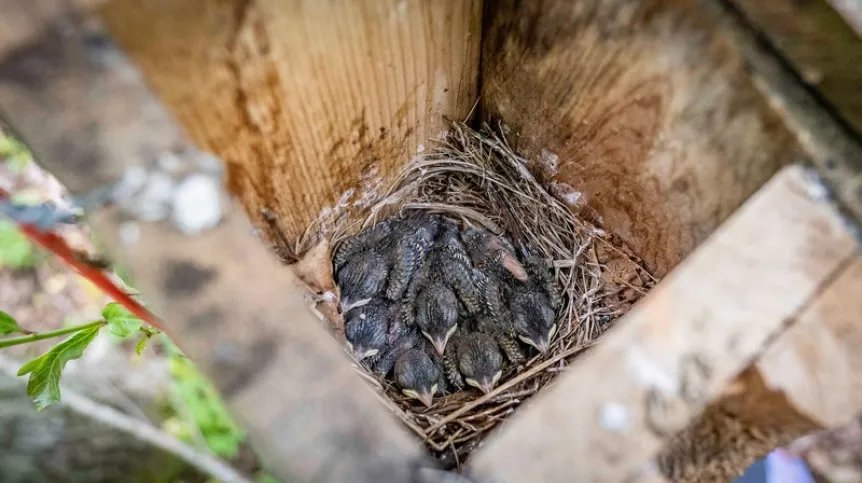
Artificial light at night disrupts the biological rhythms of migratory birds, extending adult activity and delaying chick development, according to new research by an international team of scientists.
The studies, published in Proceedings of the Royal Society B: Biological Sciences and Ecology Letters, found that artificial night lighting can prolong adult birds’ daily activity by around 40 minutes and delay the moment chicks leave the nest.
Researchers said birds, like humans, rely on internal circadian clocks synchronised primarily by the natural cycle of day and night. Melatonin, a hormone secreted in darkness, plays a central role in regulating sleep, activity and metabolic processes.
According to Poland’s Jagiellonian University, which was involved in the study, artificial light at night disrupts melatonin production and interferes with circadian rhythms, affecting chick development, physiology, behaviour, sleep regulation and family functioning in birds.
The effects were found to be strongest in adult birds, females and migratory species, which researchers said are particularly sensitive to artificial night lighting.
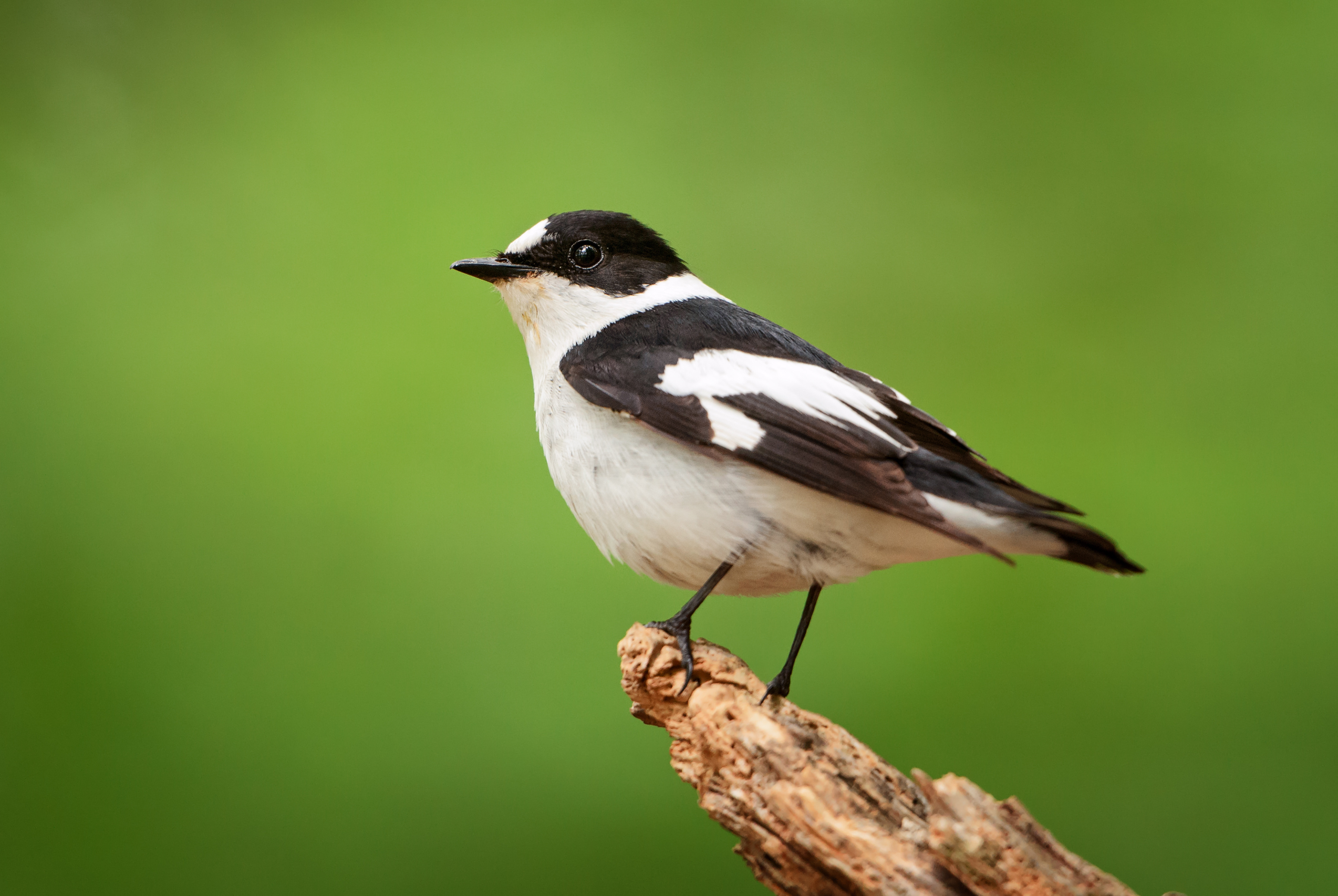
Scientists carried out a field experiment on the Swedish island of Gotland using collared flycatchers, migratory passerine birds that winter in Africa.
Selected nest boxes were fitted with LED lights reproducing illumination levels commonly found in human-altered environments.
“It turned out that artificial light severely disrupts the circadian rhythm of young birds. Under normal conditions night is a period of almost total inactivity, whereas in nests exposed to light the situation looks differently - the nestlings start to beg for food also at night, more often and for longer time periods. For these organisms, night ceases to be treated as night and the boundary between night and day becomes blurred”, the university said in a statement.
Researchers said the altered behaviour of chicks also affected adult birds.
On average, adult flycatchers exposed to artificial light extended their daily activity period by about 40 minutes, disrupting the synchronised relationship between parental care and the natural day-night cycle.
“Nestlings exposed to light left their nests later, which points to their slower development and longer dependence on parents. The decline in the survivability of the young birds at a later stage was also observed, even though the total number of successfully brought up offspring did not significantly differ from that in the unlit nests”, the university said.
The study authors warned that even minor developmental delays can have serious consequences for migratory birds, whose life cycles are tightly linked to seasonal timing.
Researchers said disruptions during growth or feather development could reduce survival rates and reproductive success in future seasons.
They suggested that one possible solution would be designing outdoor lighting systems with lower intensity and reduced coverage where safety considerations allow.
The university said the studies were prepared as part of doctoral research by Sayura Diaz-Palma and graduate student Juliette Champenois from the Institute of Environmental Sciences at Jagiellonian University.
The research was supervised by Joanna Sudyka as part of a project funded by the National Science Centre.
The project also involved researchers from the University of Warsaw, Uppsala University, Swiss Ornithological Institute, Doñana Biological Station and University of Glasgow. (PAP)
PAP - Science in Poland
juka/ zan/
tr. RL