
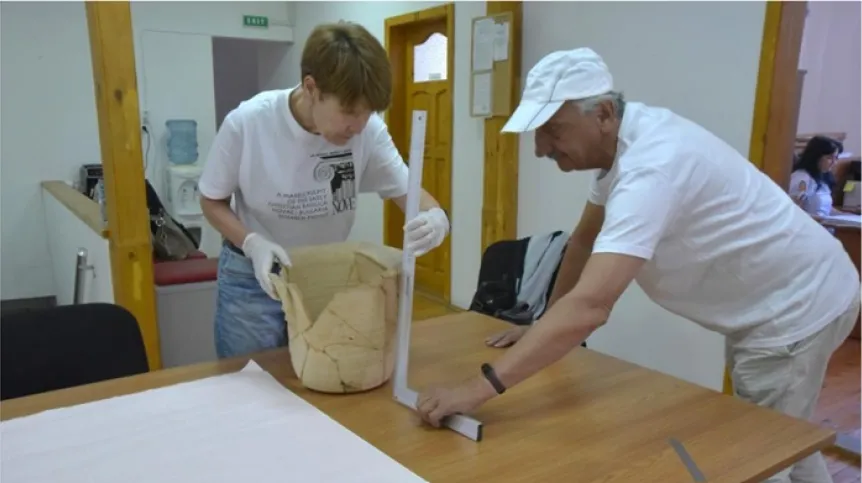
Polish researchers have discovered traces of tapeworms, dysentery-causing parasites and the protozoan Cryptosporidium parvum in Roman chamber pots from present-day Bulgaria dating to the 2nd-4th century CE.
The findings, that researchers say challenge existing theories about the historical spread of infectious diseases, identified the earliest known occurrence of Cryptosporidium parvum in Roman cultural layers in Europe and only the second credible evidence of the parasite on the continent.
Until now, the oldest known traces of the pathogen were believed to come from Central America, dating to the 7th-8th century CE.
The findings were published in the journal Heritage Science by a team led by Elena Klenina from Adam Mickiewicz University, working with scientists from the University of Warsaw and the Medical University of Warsaw.
The parasites were detected in mineralised deposits preserved inside Roman chamber pots, known as lasanae, recovered from the ancient cities of Novae and Marcianopolis along the lower Danube.
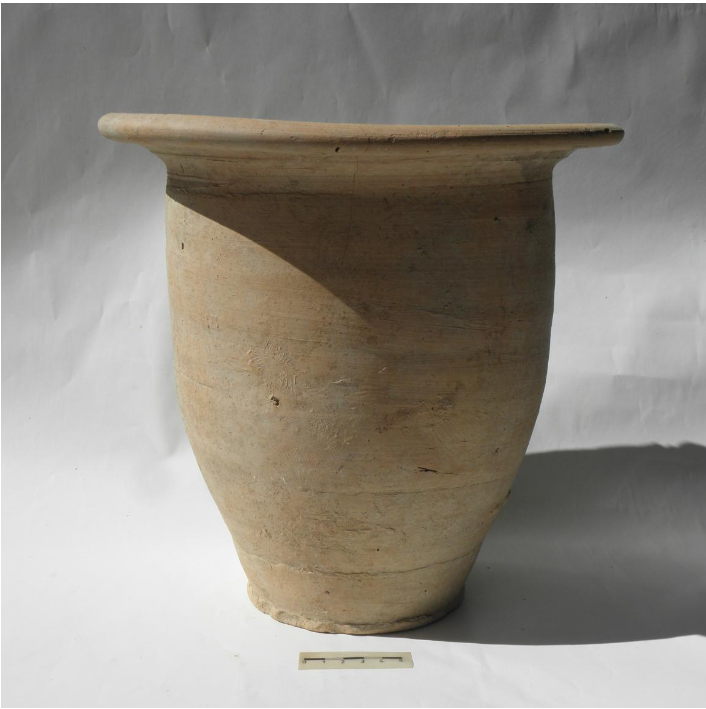
Researchers found eggs of tapeworms belonging to the Taenia genus, traces of Entamoeba histolytica — a parasite that causes dysentery — and Cryptosporidium parvum, which can cause severe illness in immunocompromised individuals.
According to the researchers, the discoveries provide new insight into sanitation, disease transmission and living conditions in the Roman province of Moesia Inferior.
They said infections were most likely spread through contaminated drinking water, food and close contact with animals. In Novae, researchers pointed to water supplied from Castella Aquae, a reservoir connected to the Danube River, as a possible source of infection.
“Servants or slaves regularly emptied these chamber pots into the sewerage system or at another designated location outside the living space. Sewer channels also required regular empting and cleaning, placing those who performed this work at increased risk of infection and potentially contributing to the transmission of intestinal parasites. Additionally, the faeces stored in fields as fertilizer could have contaminated the livestock, the meat of which was subsequently consumed by the residents of the villa”, the researchers wrote in the publication.
The researchers said Roman chamber pots provide unusually reliable evidence of human infection because the deposits preserved inside them can be directly linked to human waste rather than animal remains.
The study combined archaeology, palaeoparasitology, ancient DNA analysis and enzyme-linked immunosorbent assays, or ELISA, which researchers said were used for the first time in this type of investigation.
Laboratory analyses were carried out at the Medical University of Warsaw and the University of Warsaw. The artefacts were recovered during 67 years of Polish-Bulgarian archaeological excavations in Novae.
PAP - Science in Poland
ekr/ zan/
tr. RL