
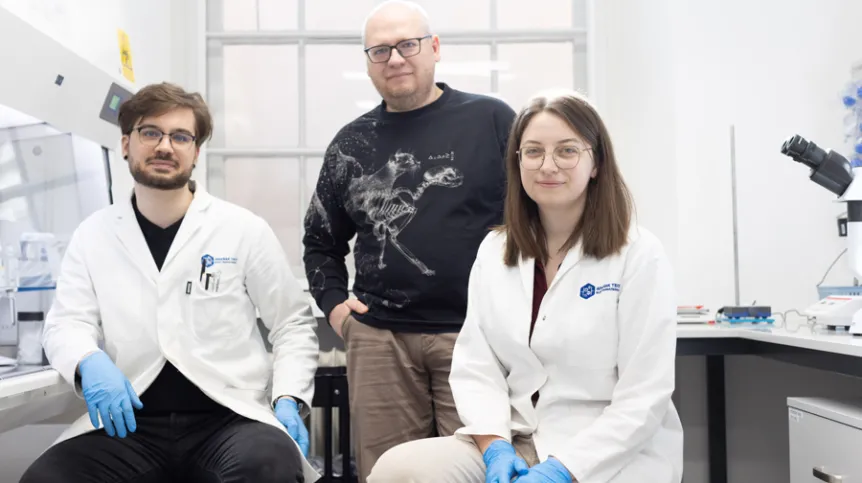
Scientists at Gdańsk University of Technology have developed gelatine-based eutectogels that could be used in the treatment of difficult-to-heal wounds and in controlled drug delivery systems, the university said.
The research was led by Tomasz Swebocki, PhD, from the Institute of Nanotechnology and Materials Science, in collaboration with scientists from the University of Lodz and CEA Saclay in France.
The study focused on combining gelatine with deep eutectic solvents, a class of compounds with properties similar to ionic liquids but which are easier to produce, cheaper, less toxic and often biodegradable. Researchers said this approach allows precise control over material properties by modifying the chemical environment.
“In materials science, we often start with simple questions: what happens if we change just one element of the system? In our case, it was the solvent. It turned out that combining the well-known gelatine with deeply eutectic solvents allows us to design completely new material properties - from the way molecules are transported to antibacterial activity and biocompatibility”, Swebocki said.
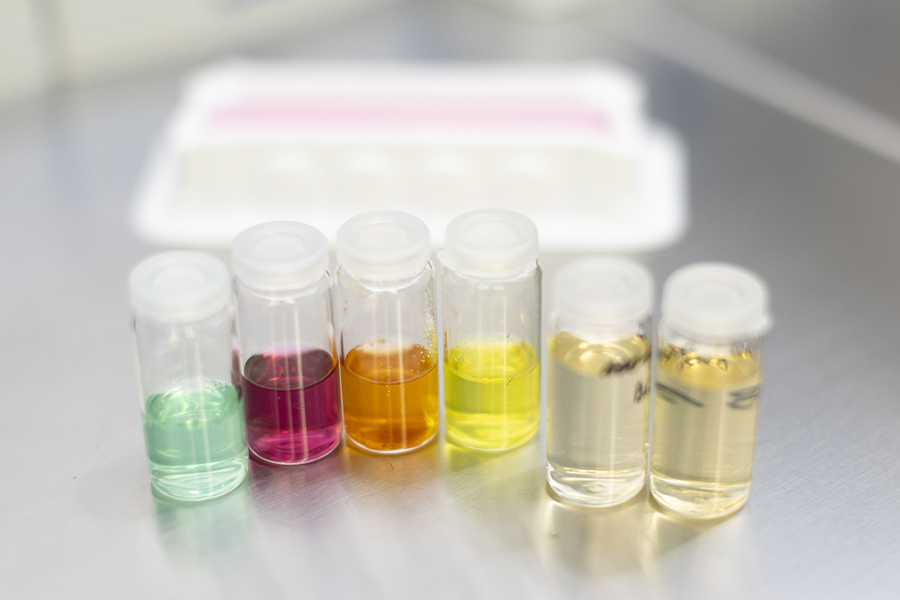
The findings showed that small changes in chemical composition significantly affect how the material performs. Depending on the solvent used, the eutectogels demonstrated different drug transport behaviours.
“Some of them acted like a kind of ‘molecular sponge’, trapping the drug within the gel structure. Others formed a denser barrier, only slowing its permeation without a loss within the gel itself”, Swebocki said.
Researchers said this variability allows the material to be tailored for specific biomedical uses.
At this stage, the eutectogels have demonstrated biocompatibility, meaning they do not trigger irritation or inflammation when in contact with the body. They also showed antibacterial activity against Escherichia coli and methicillin-resistant Staphylococcus aureus (MRSA), while maintaining compatibility with human keratinocytes.
Further research will focus on testing the materials in more complex biological models that better replicate real wound-healing conditions, the team said.
According to Swebocki, this will help assess their effectiveness in dynamic biological environments and support future work toward clinical applications.
Potential uses for the eutectogels include treatment of chronic and difficult-to-heal wounds, such as those associated with diabetes, cancer therapies, transplants and battlefield injuries.
The research was funded in part by the NOBELIUM programme of Gdańsk University of Technology and the MINIATURA 9 grant from the Polish National Science Centre. (PAP)
PAP - Science in Poland
pm/ agt/
tr. RL