Central and Eastern Europe was not a peripheral region of the Neanderthal world but an important centre of migration, population exchange and social contacts, according to an international study of fossil remains discovered in southern Poland.
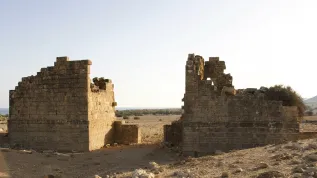
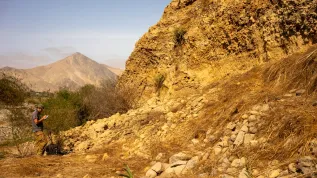
Researchers analysing teeth recovered from Stajnia Cave in the Kraków-Częstochowa Upland reconstructed, for the first time, the genetic profile of a group of Neanderthals living north of the Carpathian Mountains between approximately 120,000 and 92,000 years ago.
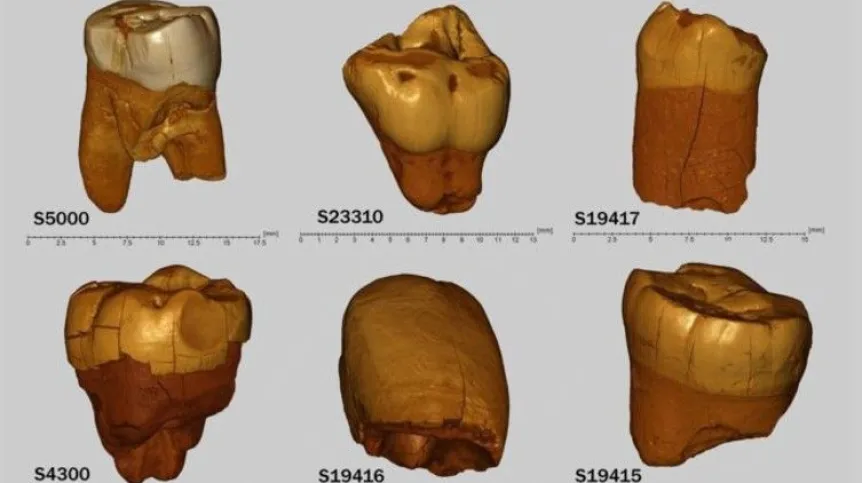
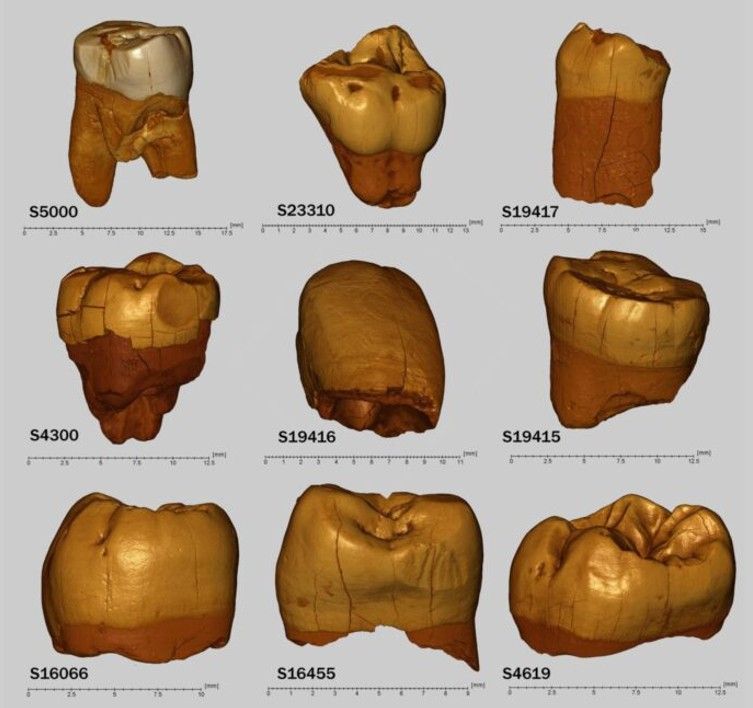
The findings, published in the journal Current Biology, are based on the analysis of nine teeth belonging to at least seven and possibly as many as nine individuals. The researchers say the remains represent the oldest genetically and anthropologically well-defined collection of Homo neanderthalensis fossils identified in Central Europe.
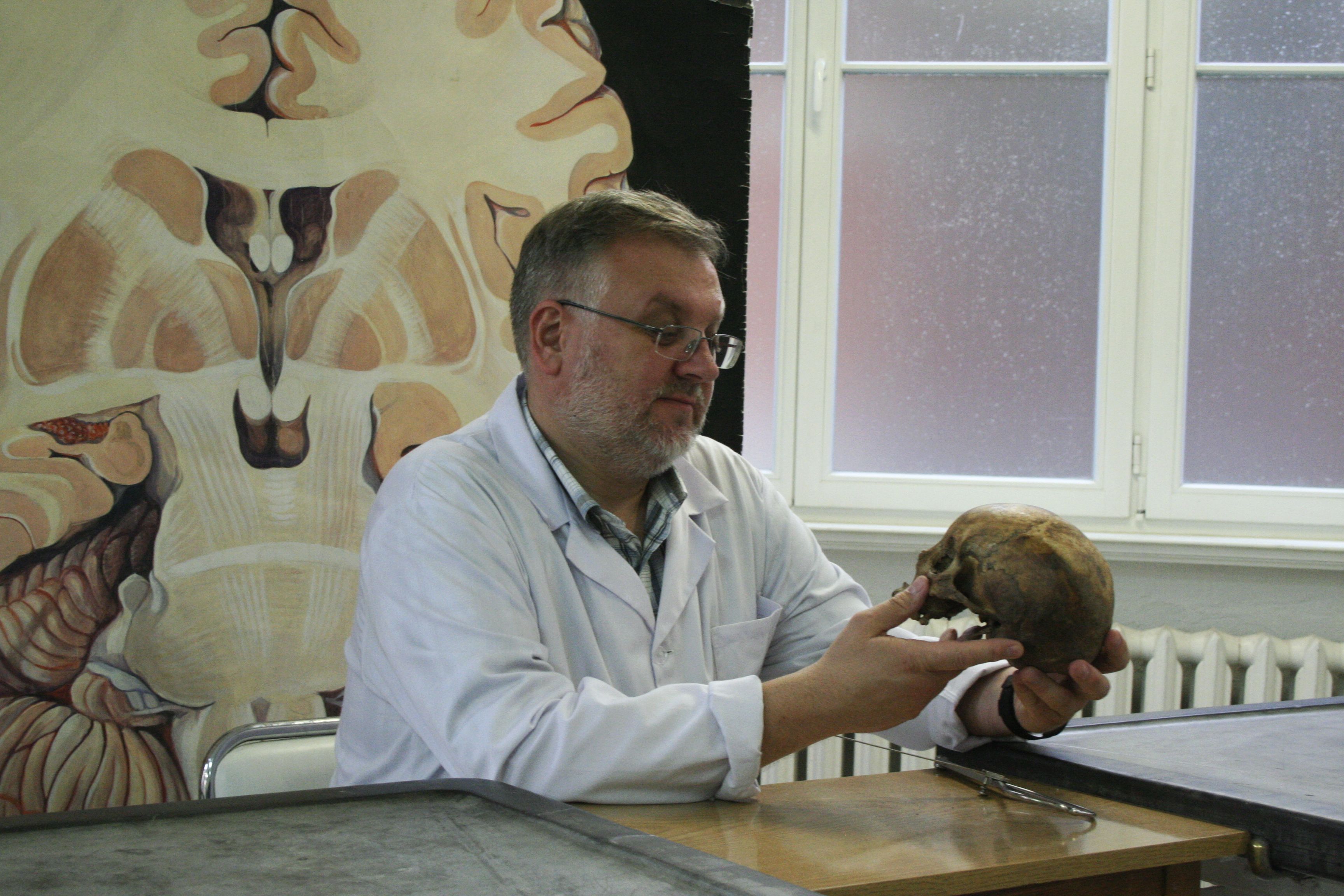
The study, titled "First multi-individual Neanderthal mitogenomes from north of the Carpathians", involved nearly 30 scientists from around the world. Among the co-authors is Paweł Dąbrowski, an anthropologist and anatomist at the Department of Normal Anatomy of Wrocław Medical University.
According to the researchers, mitochondrial DNA extracted from the teeth links the Stajnia Cave individuals to a genetic lineage previously identified across a broad area of Eurasia, including southeastern France, the Iberian Peninsula and the Caucasus.
The results suggest that present-day Poland formed part of an extensive network of Neanderthal population movements during the period known as Marine Isotope Stage 5, spanning the end of the Middle Pleistocene and the beginning of the Late Pleistocene.
"The research covered nine teeth discovered in Stajnia Cave, currently the most important Palaeolithic site in this part of Europe. From eight samples, we were able to obtain complete or nearly complete mitochondrial genomes, i.e., genetic material inherited through the maternal line. This allowed us to determine both the minimum number of individuals represented by the remains and, in three cases, the close genetic relationships between them," Dąbrowski said.
The analysed group included adults, adolescents and children. Three of the samples contained identical mitochondrial DNA, suggesting a shared maternal ancestry and potentially close family relationships.
Researchers combined DNA sequencing, radiocarbon dating and detailed morphological examination of the teeth to establish the age and identity of the remains. The multidisciplinary approach was necessary because the cave sediments had been disturbed by natural processes, including climatic changes and shifts in geological layers.
While the genetic evidence provides new insight into Neanderthal population history, researchers say questions remain about the role Stajnia Cave played within the prehistoric landscape.
"Stajnia Cave is unique in this respect, as only isolated Neanderthal teeth have been found so far. The question remains as to what function it served in the ecosystem of that time. Was it a temporary campsite, for example, a shelter where they met for some reason?" Dąbrowski says.
The cave's location may offer some clues. Situated in elevated terrain, it could have served as a strategic observation point for tracking animal movements and may have formed part of a hunting system used by Neanderthal groups.
Another unresolved question concerns the absence of other skeletal remains.
"However, we do not know why, out of many possible biological remains, only teeth were found there, with no other parts of the skeleton present. It can be assumed that those simply were not preserved due to the acidic nature of the cave floor and moisture. Under fossilized conditions, only the enamel of tooth crowns has a chance of surviving without the possibility of remodelling, becoming the most permanent evidence of the existence of a specific individual," Dąbrowski says.
Researchers have also considered an alternative explanation linked to animal activity in the cave.
"The cave could have been a shelter for animals of the time - mainly predators - serving as a kind of meat feast spot. In this case, our evolutionary relatives would have been the main course. Therefore, after passing through the predator's digestive system, only undigested teeth could have remained," he says.
The study also contributes to a broader reassessment of Neanderthals, who have long been portrayed as intellectually and physically inferior to modern humans.
According to Dąbrowski, that image emerged partly from early 20th-century reconstructions influenced by outdated scientific assumptions and errors in interpretation.
"In reality, Neanderthals were very agile, strong, and could run quickly - though, unlike Homo sapiens, they ran relatively short distances, which was useful when hunting large animals. They specialised in the production of hunting weapons designed for direct attack, specific spears for fatally piercing and impaling the bodies of large animals," Dąbrowski says.
Evidence from archaeological sites across Europe suggests Neanderthals were capable of caring for injured individuals and performing procedures that may have included amputations and dental interventions. One tooth from Stajnia Cave showed signs that researchers believe could indicate deliberate removal, possibly in response to severe periodontal disease and associated pain.
The researchers also note that Neanderthals maintained complex social relationships and possessed anatomical features associated with speech and fine motor control.
Their legacy remains visible in the genomes of many present-day populations outside Africa. Genetic exchange between Neanderthals and Homo sapiens occurred after sustained contact between the two species in Europe and the Middle East around 45,000 years ago.
Some inherited Neanderthal genetic variants have been linked to modern metabolic traits, including insulin resistance and an increased susceptibility to type 2 diabetes.
"These metabolic traits were useful for a mobile hunter, a nomad, during periods of food scarcity. Neanderthals ate their fill, but they also depleted those reserves just as quickly. In Homo sapiens, under current nutritional conditions and with a hydra-like lifestyle, such a metabolism is completely ineffective. We gain weight and get sick. This is our curse. It is also a warning from the deep past: if you want to survive, move like your ancestors," Dąbrowski says.
Researchers plan to continue studying the Stajnia Cave material using nuclear DNA, which could provide further information about the sex, kinship and social structure of the Neanderthal group that once inhabited the area.
The authors say the findings not only confirm the presence of Neanderthals in present-day Poland but also establish Central Europe as a significant region in the species' evolutionary and population history. (PAP)
PAP - Science in Poland
ros/ agt/
tr. RL