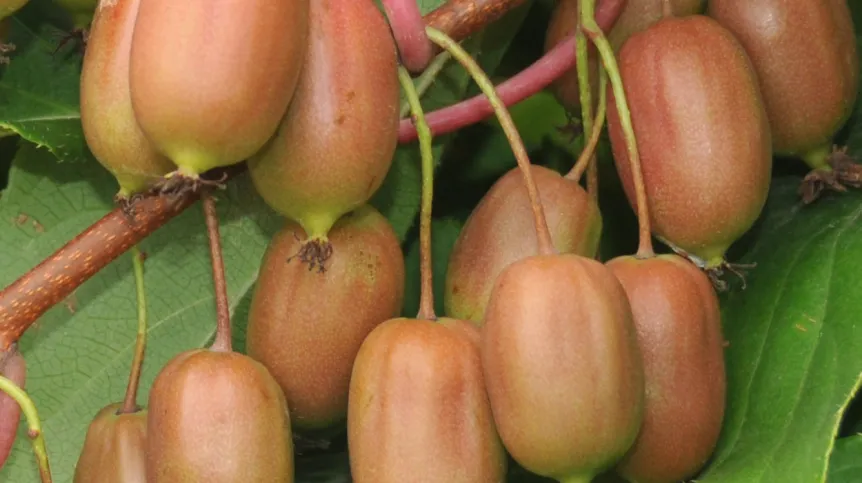
Small kiwi-like fruits that grow well in Poland could help slow the body's ageing process and reduce the risk of diseases such as type 2 diabetes, according to new research by Polish scientists.
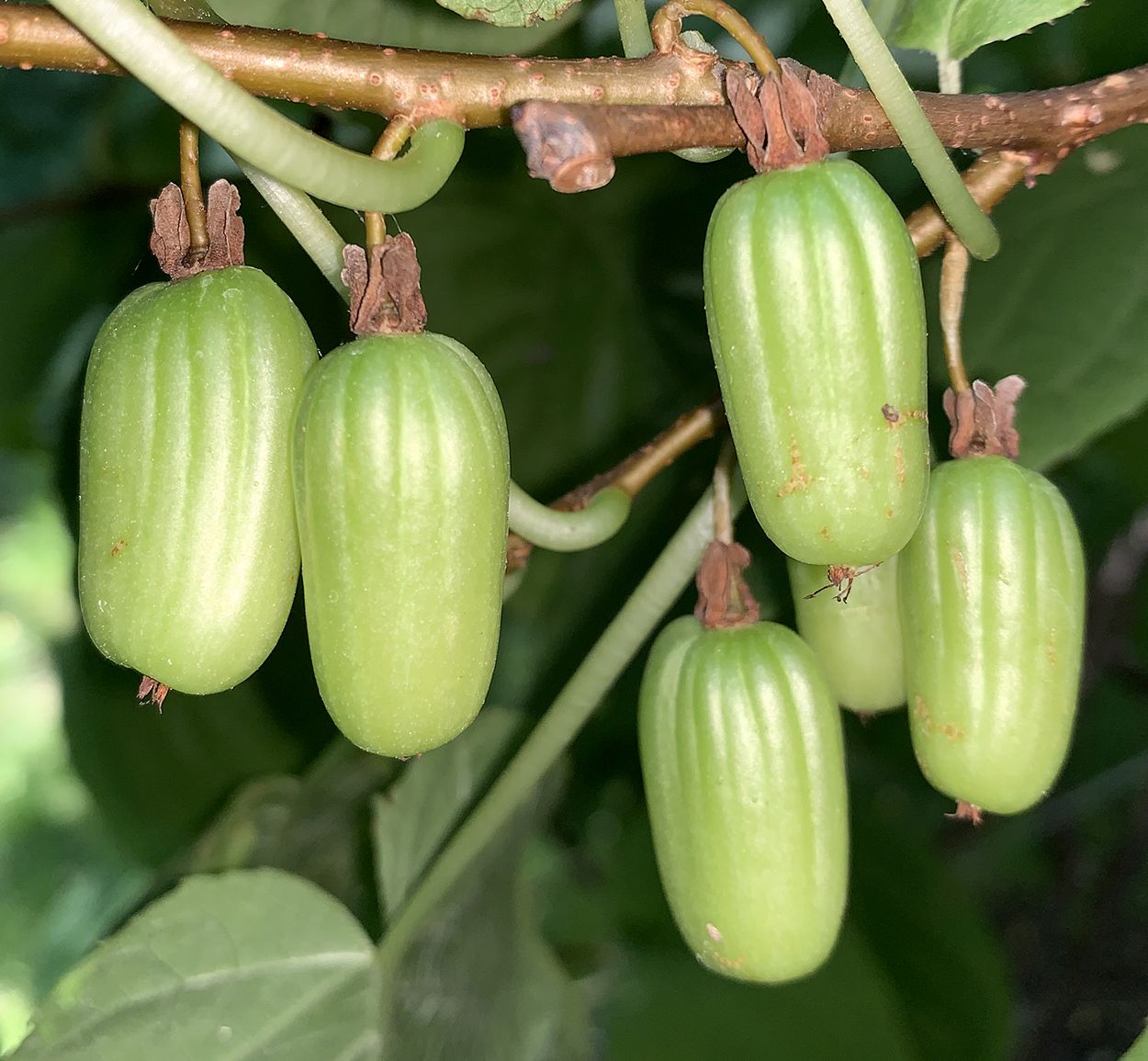
Laboratory tests found that extracts from kiwiberries (Actinidia arguta) and Actinidia kolomikta - two relatives of the familiar green kiwi - significantly reduced the formation of harmful compounds known as advanced glycation end-products (AGEs).
These compounds build up naturally as people age and are also linked to conditions including type 2 diabetes, cardiovascular disease and other age-related illnesses.
Lead author Professor Wioletta Błaszczak from the InLife Institute of Animal Reproduction and Food Research of the Polish Academy of Sciences said: “The research was conducted in laboratory conditions, so its results require further confirmation.
“However, they show that kiwiberry and Actinidia kolomikta are particularly valuable sources of natural antioxidants (polyphenols) that can support the body in limiting ageing-related processes.”
The researchers also found that the fruits' benefits come from the combined action of many different polyphenols rather than a single ingredient. Together, these compounds appear to enhance each other's effects, giving the fruit extracts their strong biological activity.
Professor Błaszczak said the findings suggest the fruits could one day be used as ingredients in functional foods designed to promote better health.
"The results expand our knowledge on the health-promoting properties of Actinidia fruits and indicate that they may find use as a functional food ingredient in the future."
The findings were published in the journal Molecules by researchers from the InLife Institute of Animal Reproduction and Food Research of the Polish Academy of Sciences in Olsztyn, working with scientists from the Poznań University of Life Sciences, the University of Warmia and Mazury in Olsztyn, and the Warsaw University of Life Sciences.
PAP - Science in Poland
tr. RL
zan/ bar/