Cargo trucks, planes and ships can carry stowaways such as insects. If they find favourable conditions for living and breeding after arriving in a new environment, they can establish themselves, and some can become invasive species that threaten local ecosystems.
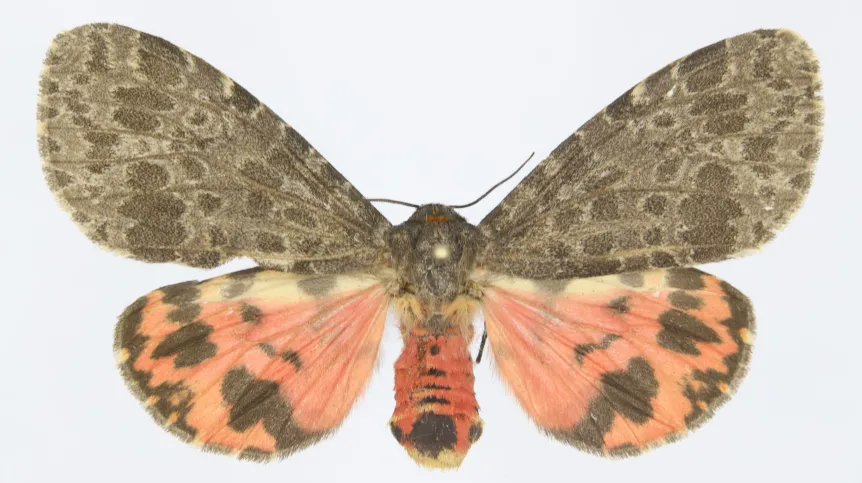
One such stowaway may be the moth Olepa schleini, a specimen of which was probably carried aboard a ship from India to the Comoros, an archipelago between Madagascar and the African continent.
Numerous caterpillars of the moth were found there by a biologist working with Polish scientists from the Institute of Systematics and Evolution of Animals of the Polish Academy of Sciences. The scientists published the results of their analyses jointly in the journal Annales Zoologici.
According to Łukasz Przybyłowicz, PhD, and Marcin Wiorek, PhD, bear moths occur worldwide, while the genus Olepa occurs in Southeast Asia. This particular species was described in 2005 in Israel and had not previously been observed in Africa.
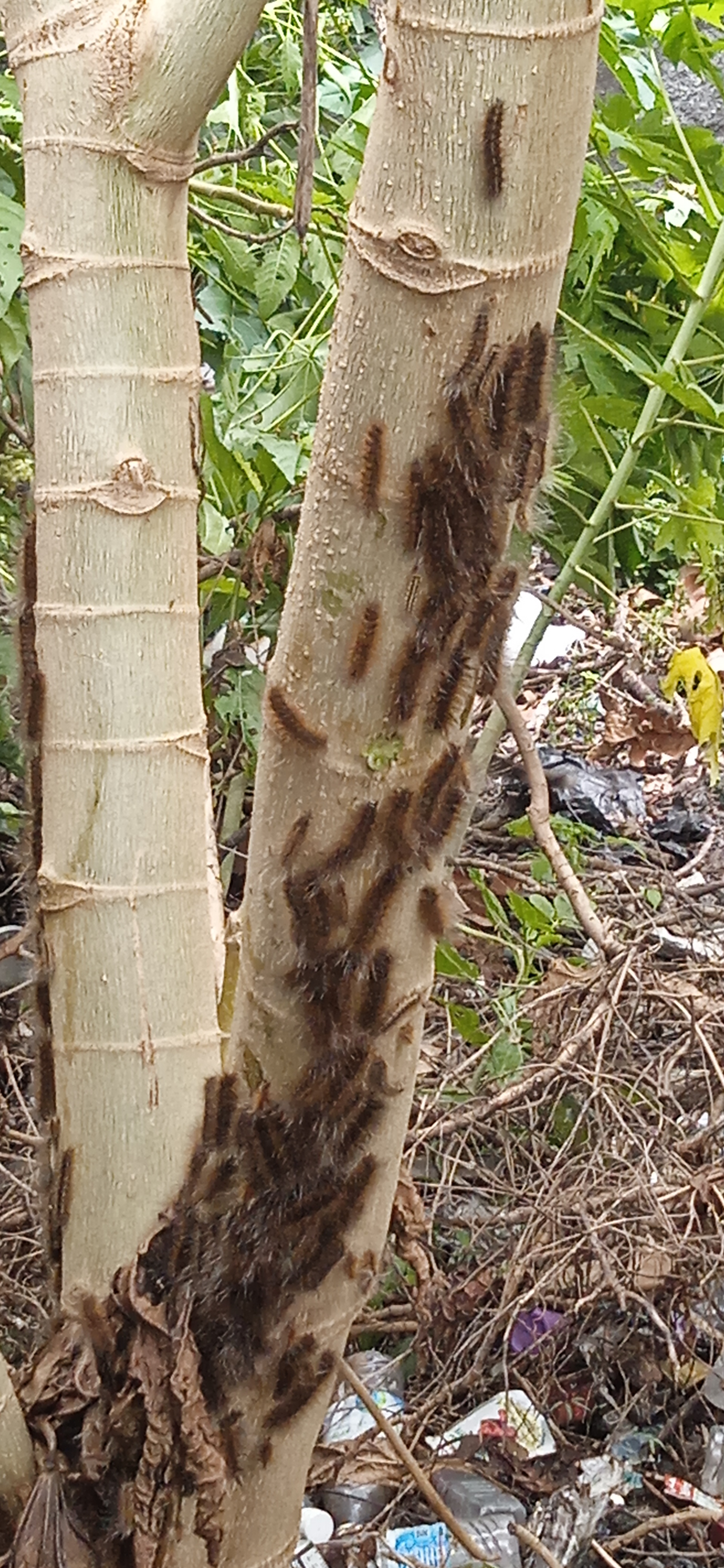
“Some Olepa species are known to be potentially serious pests of castor bean, also known as castor oil plant, cultivated in many African and Asian countries for the oil extracted from its seeds and used, for example, in cosmetics. The caterpillars of the butterfly were found on this plant. The potential problem is that since this species most likely migrated from India to the Comoros, it is now not far from Africa. If it gets there, it may become an invasive species and a potential pest of castor bean”, says Łukasz Przybyłowicz.
He adds that under favourable conditions, insect populations can grow rapidly, especially when they are not yet facing natural threats from other animals in their new location, the climate is favourable and food is plentiful.
The researchers speculate that in the case of this moth, the sea transport from India took several weeks. The caterpillars that made it onto the ship then pupated and survived the journey in this form.
The expansion of species' ranges is a natural process that has occurred since the dawn of life on Earth. In nature, however, the movement of animals and the colonisation of new areas can take a very long time, giving both the species and the ecosystem time to adapt to new conditions.
Humans have significantly accelerated this process. Thanks to transport, animals can now cover thousands of kilometres in days or weeks. Species introduced by humans can expand their ranges much faster than through natural processes.
Marcin Wiorek reports that the latest global list of all naturalised insect species – those that have established populations in a new location, but not necessarily immediately become invasive – currently totals over 7,000.
This does not mean, however, that all will become invasive.
“The latest results suggest that up to 25% of introduced invertebrate species (and up to 50% of vertebrate species) achieve invasive success”, Wiorek says.
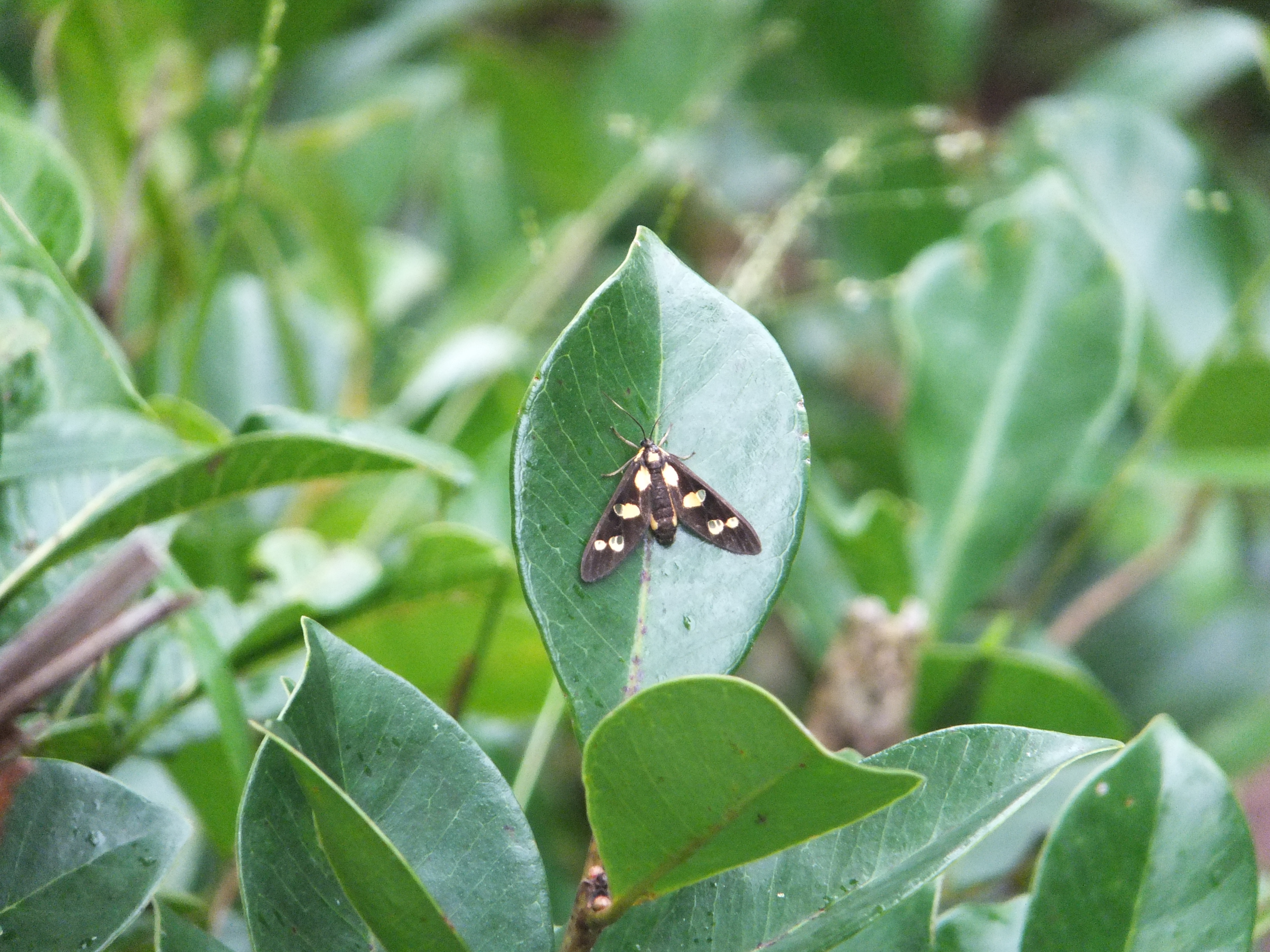
An example of an invasive species that recently spread rapidly in Poland is the box tree moth (Cydalima perspectalis). According to the researchers, the species was first recorded in 2012 in Michałkowa near Zagórze Śląskie, and is now found practically throughout the country, wherever boxwoods grow.
The collaboration between the Polish scientists and researchers from the Comoros is not coincidental. They previously conducted research in Madagascar, where they analysed a group of one hundred species of bear moths unique to Madagascar, or endemic species.
“The last publications on this entire group date back to the 1960s, when genetic methods were not yet available. Now it turns out that this diversity is even greater than previously thought. After our analysis, we have described seven new genera and five new species. The names of the former refer to characters from the TV series Penguins of Madagascar, including Skippernaclia, Kowalskinaclia, and Juliennaclia', says Marcin Wiorek.
The results were published in the journal Arthropod Systematics and Phylogeny, and in a monograph published by the Institute of Systematics and Evolution of Animals PAS.
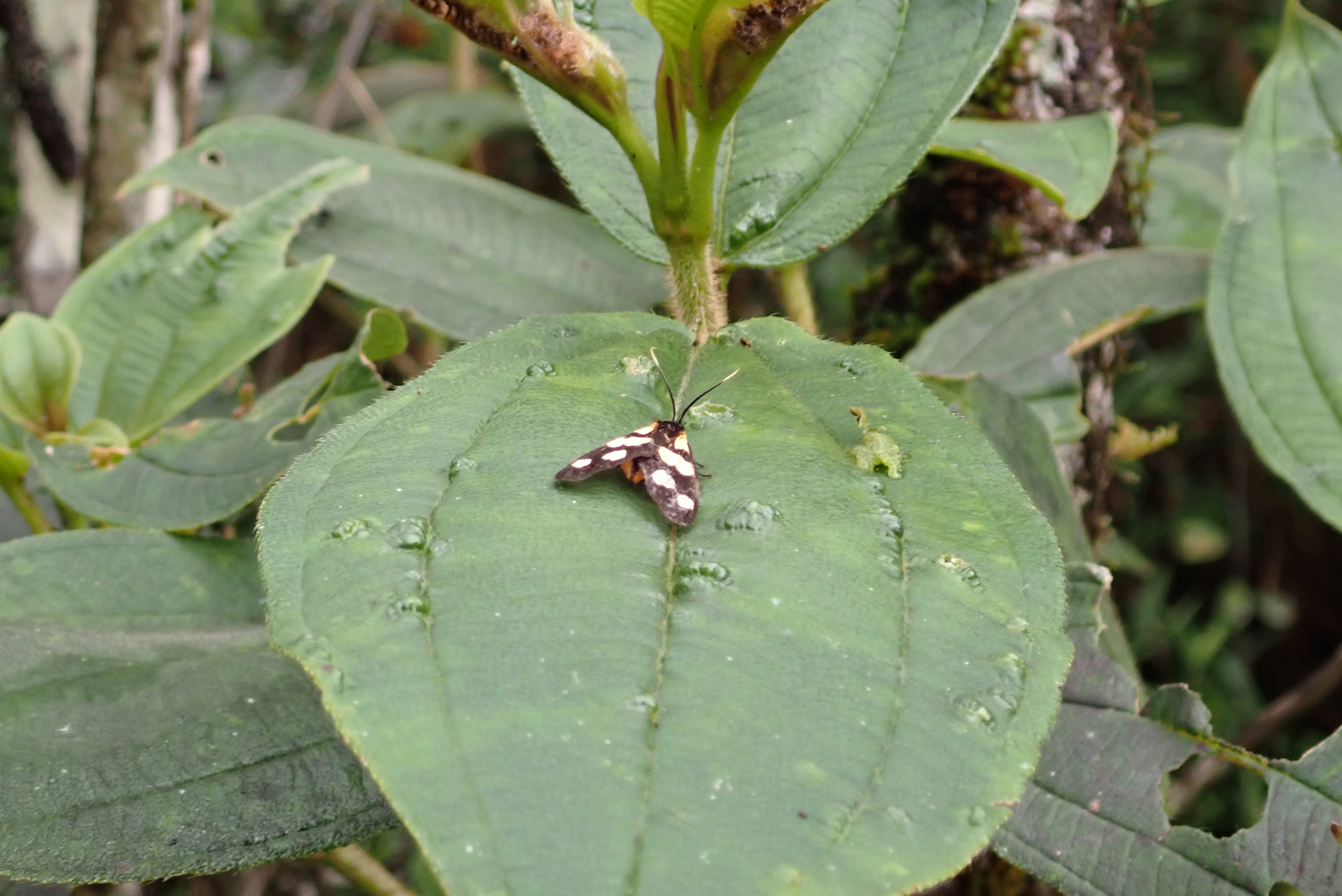
According to the scientists, there are currently approximately 150,000 species of butterflies in the world, and several hundred new ones are described each year. There are over 3,000 species in Poland, and each year several new species are discovered, first observed in the country.
Agnieszka Kliks-Pudlik (PAP)
akp/ agt/
tr. RL