Polish researchers working in Cyprus have identified the remains of a monumental structure that may have been a rare Roman-era temple built outside an urban centre. The building, tentatively dated to the late 1st century CE, may have stood on a prominent hill near ancient Kourion, at a junction of routes connecting the region’s cities. Its location and monumental architecture raise the possibility that it was a rural sanctuary, although its exact function remains unknown.
The building, tentatively dated to the late 1st century CE, may have stood on a prominent hill near ancient Kourion, at a junction of routes connecting the region’s cities. Its location and monumental architecture raise the possibility that it was a rural sanctuary, although its exact function remains unknown.
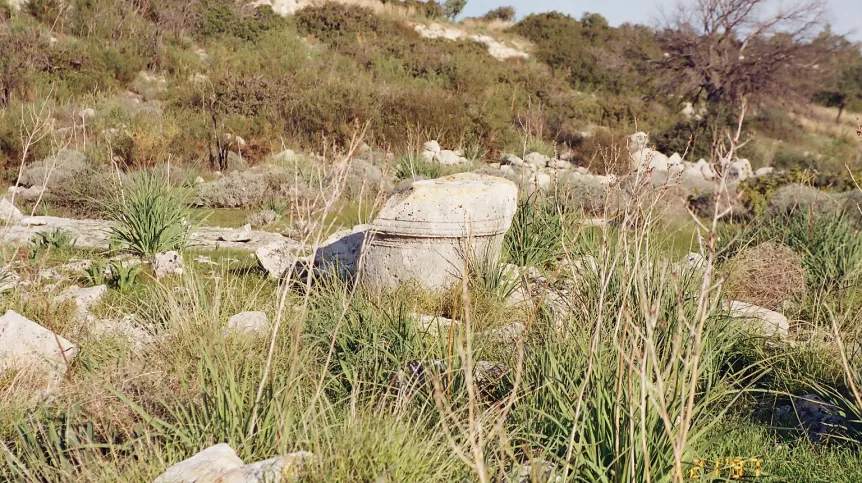
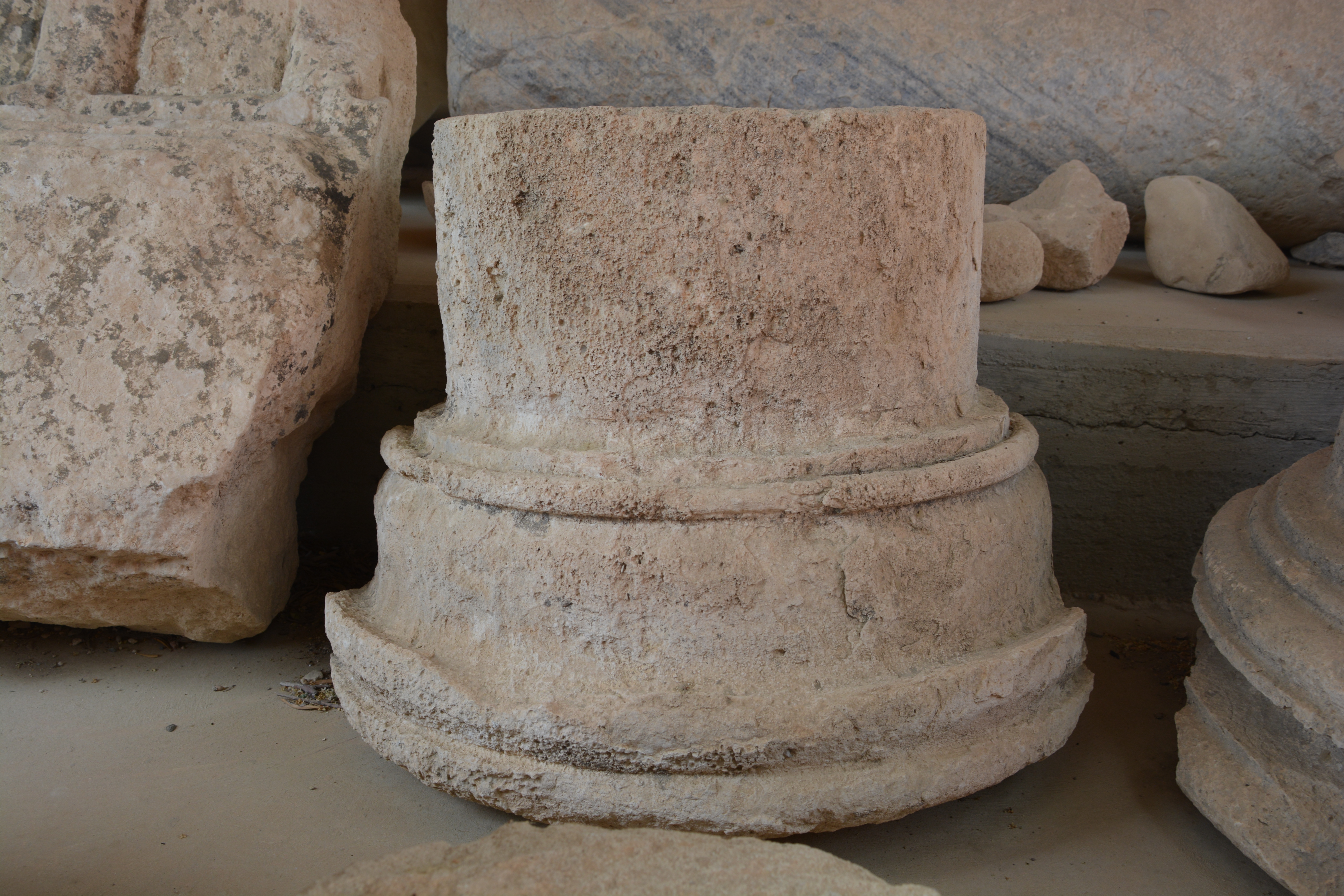
Limestone fragments of the structure were discovered in 1997 on a hill near ancient Kourion, on the southern coast of Cyprus. The 48 stone objects included mainly architectural elements such as sections of columns and cornices. Traces of stone quarrying and three burial niches were also recorded nearby.
At first, it was unclear whether the fragments belonged to a building or were associated with a quarry or stonemason’s workshop operating at the site. The artefacts were moved to museums in 2000 but were not analysed at the time.
Anna Kordas, a researcher at the University of Warsaw, revisited the material in 2022 while carrying out museum-based research for her doctoral dissertation. Together with specialists from TU Wien, the University of Warsaw and Wrocław University of Science and Technology, she studied the surviving elements in detail.
Using photogrammetry, digital models and measured drawings, the researchers analysed the individual pieces and attempted to reconstruct how they had originally been arranged. Their findings were published in the American Journal of Archaeology.
The reconstructed column was about five metres high, while the complete building may have stood approximately 5.87 metres tall. The column shafts were made of several sections joined with dowels.
The stones also preserved carefully executed Greek-letter markings, which may have indicated the function of individual elements and their position within the structure. The components were most likely produced by a local Cypriot workshop.
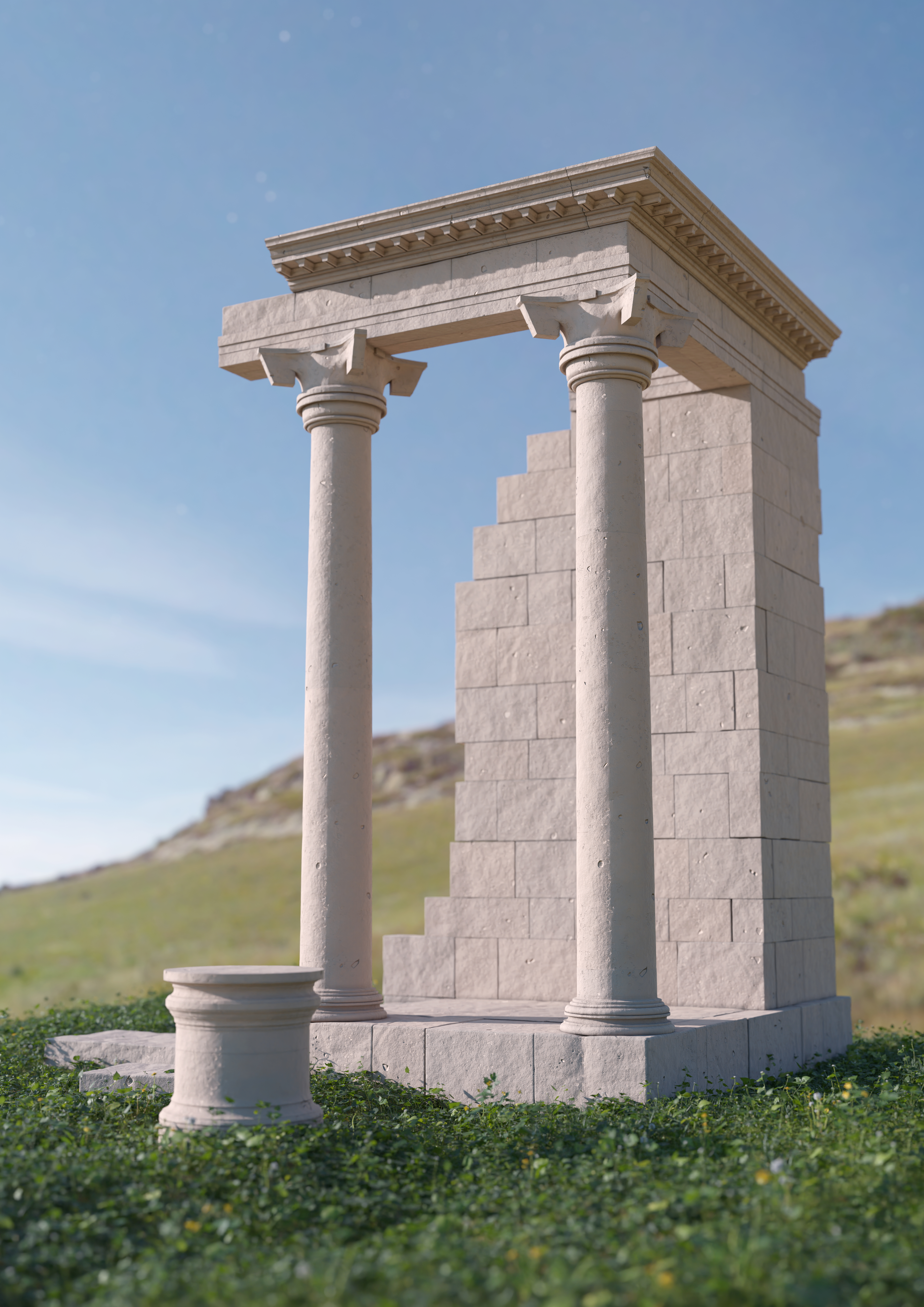
Researchers tentatively date the building to the late 1st century CE. It may have been a temple or a funerary structure designed to resemble a temple, a type of building known from Syria, Egypt and Asia Minor. However, no clear example of a freestanding tomb of this type has yet been identified in Cyprus.
It is also unclear whether the structure originally stood exactly where the column fragments were found. Traces of quarrying are visible on the hill, and Cypriot researchers had previously considered the possibility that a quarry or workshop operated there, supplying architectural elements to the nearby Sanctuary of Apollo Hylates, about 1.2 kilometres away.
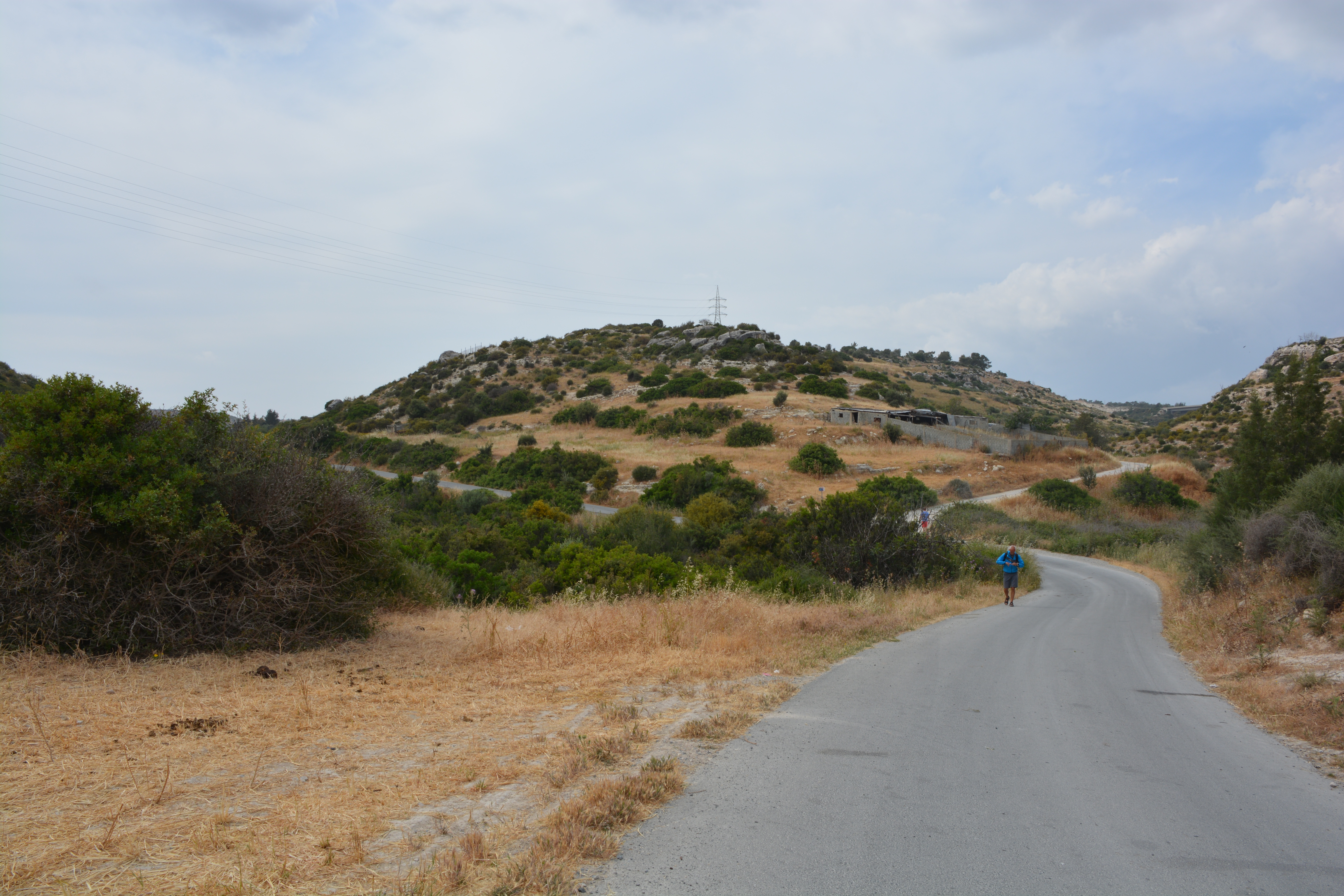
However, the landscape provides clues supporting the possibility that the structure stood on the hill in the Latsithkia region.
The rocky rise is highly visible from the surrounding area and lies close to a road junction. Roman routes connecting Paphos with Kourion and Marion with Kourion may have converged near the hill.
The Latsithkia region lies in the rural hinterland of Kourion. During the Archaic and Classical periods, Cyprus was known for rural cult sites, often consisting of enclosed open-air spaces with altars where offerings were made to the gods.
During the Hellenistic and Roman periods, such rural sanctuaries became less common, while sanctuaries in coastal cities were increasingly monumentalised. Examples include sanctuaries of Zeus at Salamis, Aphrodite at Amathous and Apollo near Kourion.
If the remains did belong to a temple, researchers suggest it may have been dedicated to a deity associated with fertility or nature. Other possibilities include Apollo or an imperial cult.
At this stage, researchers cannot determine the structure’s function with certainty. No surface remains survive to definitively establish where the building stood or what it was used for.
Further archaeological work is underway under the leadership of Professor Monika Rekowska, with funding from the Polish National Science Centre. The project aims to investigate the wider archaeological and landscape context and establish more about the history and function of the site.
PAP - Science in Poland, Ewelina Krajczyńska-Wujec
ekr/ agt/
tr. RL