More than 2.5 kilometres of previously unknown Inca roads, along with terraces, platforms and circular structures, have been uncovered beneath dense tropical forest near Machu Picchu by a Polish-Peruvian team of archaeologists.
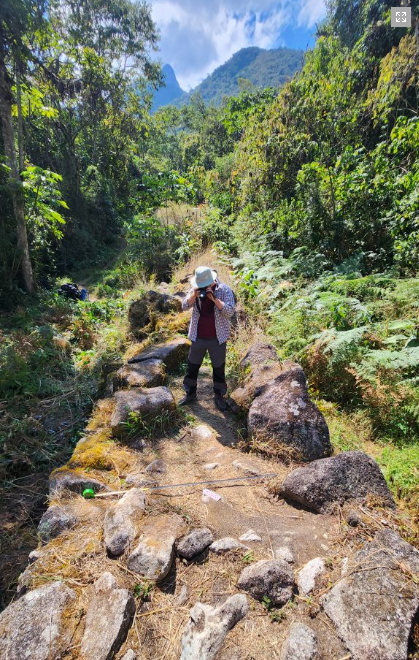
The discoveries were made on the slopes of Mount Yanantin, where steep terrain and dense, humid jungle made the remains virtually invisible from the ground. In places, researchers had to use machetes to cut through the vegetation, while drone-based LiDAR scanning revealed traces of human activity hidden beneath the forest canopy.
According to Bartłomiej Ćmielewski, PhD, from Wrocław University of Science and Technology, who led this year's research at the site, it took three hours to cover just 250 metres through the forest using a machete.
“This illustrates the scale of the challenge,” says Professor Mariusz Ziółkowski, Director of the Andean Research Centre at the University of Warsaw.
LiDAR, or Light Detection and Ranging, uses laser pulses to scan the ground from above. By filtering out vegetation and other surface features, researchers can create a three-dimensional picture of the terrain and identify subtle changes in elevation, as well as regular lines and shapes that may indicate archaeological remains.
The first scans revealed narrow, zigzagging paths running through the forest. One of them, less than a metre wide, was known to local residents. Researchers reached the path and then continued surveying the surrounding area with the drone.
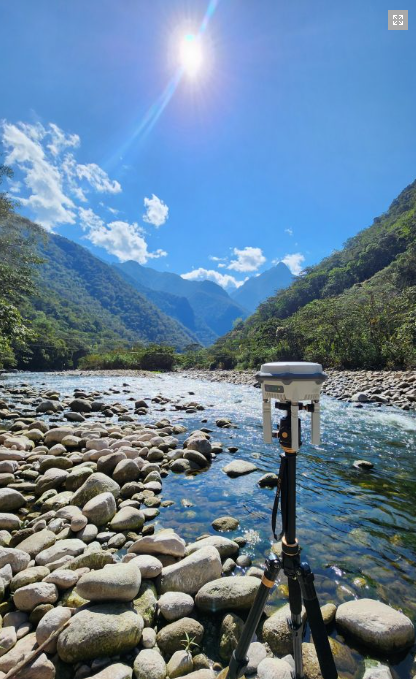
The LiDAR surveys have so far revealed more than 2.5 kilometres of previously unknown pre-Columbian roads, including one clearly defined section measuring at least 1.2 kilometres.
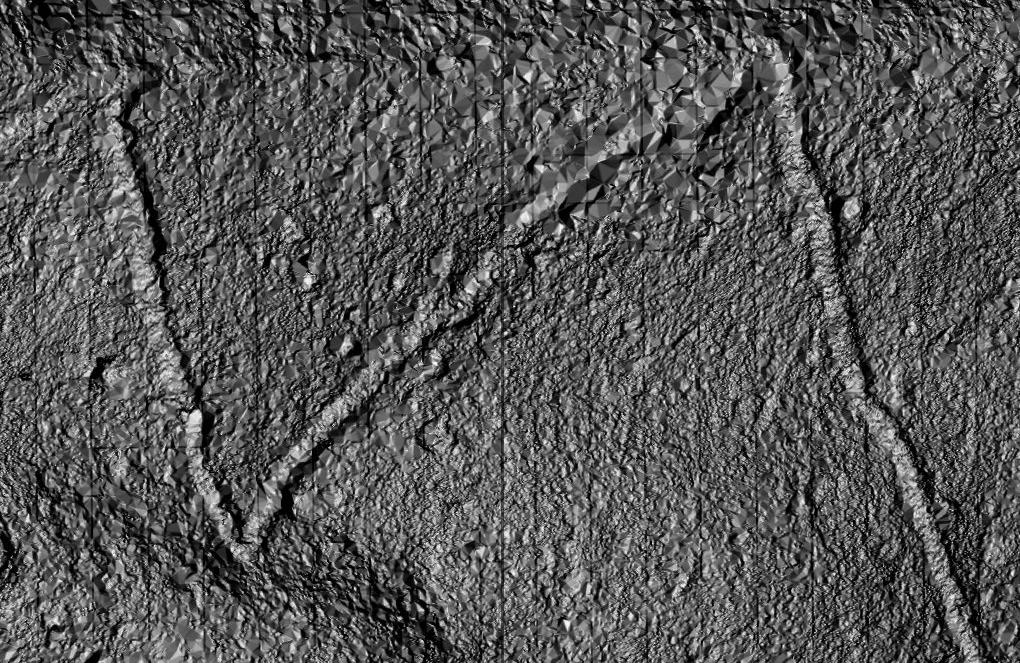
“There are certainly at least twice as many out there, though. LiDAR requires hours of analysis using complex software. It is very painstaking work, which is why we have only completed the first stage of analysis so far,” says Ziółkowski.
The roads are accompanied by previously unknown terraces, platforms and circular structures, adding to the evidence that the landscape around Machu Picchu was more extensively developed than previously thought.
The layout of the roads is consistent with Inca construction methods, although their precise origin has not yet been established. Some may predate the Inca and have been modified or used during different periods.
The findings could broaden understanding of how the landscape around Machu Picchu was used, including the routes connecting different parts of the area and the role of Mandor, located opposite the main Machu Picchu complex.
“This discovery complements and significantly modifies hypotheses regarding the functioning of the entire complex. Within the Machu Picchu National Park, there are over 60 archaeological sites linked by road networks. These sites served various satellite functions relative to the main complex, known as Llaqta de Machu Picchu. They are situated primarily on the left bank of the Urubamba River, and it previously appeared that the Incas had concentrated their urban planning efforts there. The roads we have discovered alter this picture; it turns out that the opposite bank of the river also underwent significant cultural transformation during Inca times,” says Ziółkowski.
“The area we have now investigated had not attracted much attention - fortunately for us, one might say,” he adds.
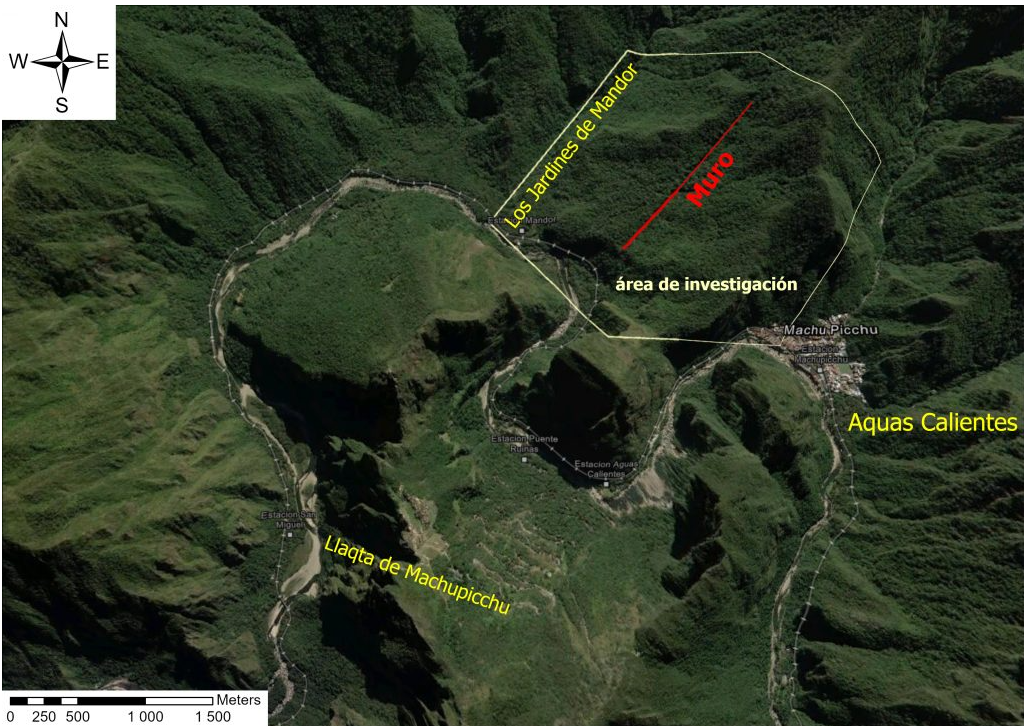
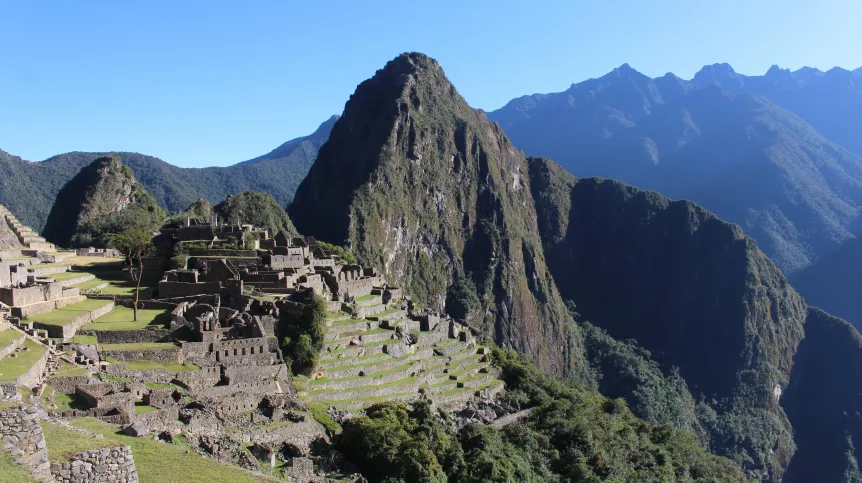
Machu Picchu and its surrounding cultural landscape have been a UNESCO World Heritage Site since 1983. Yet more than a century of archaeological research has continued to reveal previously unknown features of the landscape around the famous site.
The University of Warsaw's Centre for Andean Studies has conducted research in the area since 2008, in cooperation with Peru's Regional Directorate of Culture in Cusco and the Machu Picchu National Archaeological Park. The Polish team is one of only two foreign research groups, alongside a Japanese team, authorised to conduct archaeological work in the area around Machu Picchu.
The latest fieldwork was carried out in July and August on the slopes of Mount Yanantin, on the eastern side of the Andes, at an altitude of roughly 2,000 to 2,700 metres.
The team included Jan Kłaput, PhD, from the University of Warsaw's Centre for Andean Studies; Bartłomiej Ćmielewski, PhD, from Wrocław University of Science and Technology, who supervised the drone-based LiDAR surveys; Paweł Dąbek, PhD, from Wrocław University of Environmental and Life Sciences; and Peruvian archaeologist Jeff Rocky Contreras Soto from Apu Space.
The fieldwork was supervised by Nino del Solar Velarde, PhD, head of the Machu Picchu Archaeological Research Coordination Unit at the Regional Directorate of Culture in Cusco, and was funded by the University of Warsaw.
The researchers are now discussing further cooperation with the Dirección Desconcentrada de Cultura, the local branch of Peru's Ministry of Culture.
“We will certainly continue the LiDAR survey; we want to expand the research area. Together with our Peruvian colleagues, we will try to apply for a permit to carry out at least targeted excavations to expose the discovered roads,” says Ćmielewski.
The exact location of the discoveries has not been disclosed in order to protect the archaeological site from uncontrolled exploration.
PAP - Science in Poland, Ewelina Krajczyńska-Wujec (PAP)
ekr/ agt/
tr. RL