

-
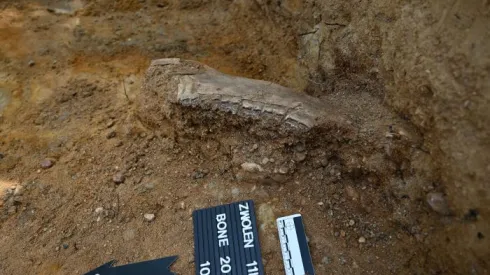
Archaeologists return to Zwoleń to examine Neanderthal remains
Archaeologists working in Zwoleń (Masovian Voivodeship) have found animal bones and flint tools from Neanderthal times. They completed the first stage of work at the site, to which scientists returned 30 years after the previous research project.
-
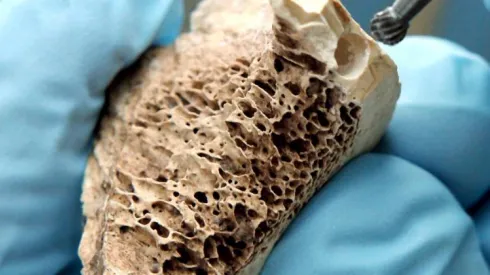
Oldest Neanderthal remains in Central Europe found in Poland
Poland is home to the oldest remains of Neanderthals in Central Europe, new research shows.
-
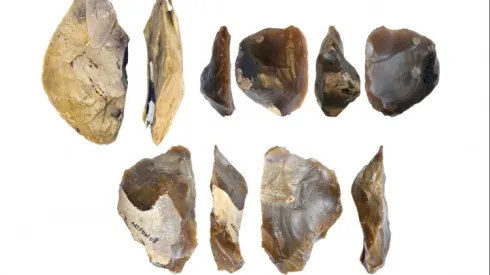
Archaeologists discovered a flintstone workshop of Neanderthals in the southern Poland; it is approx. 60,000 years old
Researchers discovered a flint workshop of Neanderthals in Pietraszyno (Silesia). According to scientists, it is the first such large workshop in Central Europe that was not located in a cave. So far, researchers have counted 17,000 stone products created 60 thousand years ago.
Most Popular
-
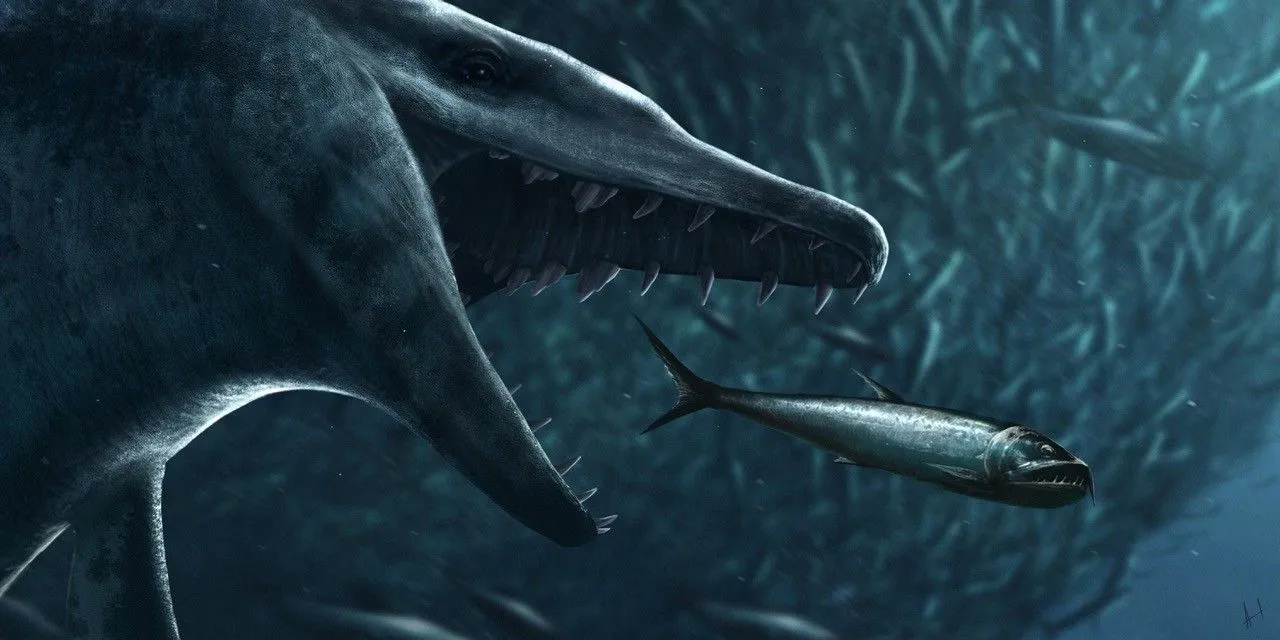
Ancient dolphin-sized whale found in Poland rewrites early Cetacean evolution
-
Inside the DNA hunt for Poland’s first kings
-
Polish researchers discover remains of hairless dogs ‘treated like children’ in ancient Peru
-
Colonoscopy screening cuts colon cancer risk by up top half 40-50, study finds
-
Polish researchers use UV light to cut smog-causing emissions from hydrogen burners
Recommended

Polish scientists build key instrument for ESA mission to intercept ancient comets
Polish scientists have completed and delivered the first flight-ready instrument for the European Space Agency’s Comet Interceptor mission, which aims to study a comet entering the Solar System for the first time and possibly even an object originating from interstellar space.