

Genes, lifestyle and DNA methylation linked to facial skin ageing, Polish study finds
Scientists in Poland have found links between genetic variation, DNA methylation, lifestyle factors and visible signs of facial skin ageing, based on three-dimensional facial scans and large-scale genetic and epigenetic analyses of more than 700 people.
-
Polish researchers co-author forensic tool that reads age from DNA
Polish scientists have co-authored one of the most advanced forensic tools capable of estimating a person’s age to within a few years from a DNA sample. The models are now being tested in laboratories worldwide.
-

Yoga and coffee have positive effect on epigenetic rejuvenation
Practicing yoga and drinking up to three cups of coffee a day are among the factors that have a positive impact on epigenetic rejuvenation, say researchers working on the epigenetics of ageing within the EPIGENOM project.
-
Thanks to epigenetics, slower ageing is the future of personalised medicine, says expert
Studying the importance of epigenetic changes in the ageing process is a field that many research groups in the world focus on.
-
Study on largest group of patients so far shows key role of epigenetics in COVID-19 severity
SARS-CoV-2 has the ability to quickly induce significant epigenetic changes in human blood cells, which may determine the severity of the course of COVID-19, show scientists from an international research group coordinated from Poland.
-
Szczecin to host epigenetics conference in June
The world's leading scientists conducting epigenetic research will meet in Szczecin on June 8-10 this year. The meeting will be this year's most important epigenetics event, says the initiator and organizer of the Clinical Epigenetics International Conference, Dr. Tomasz K. Wojdacz.
-
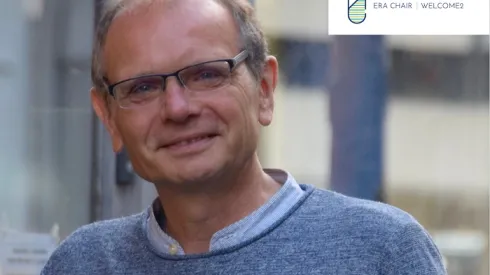
Specialist in vitamin D to create a Centre of nutrigenomics in Olsztyn
Prof. Carsten Carlberg, a world-class biochemist in the area of research on vitamin D, has been nominated for the position of ERA Chair holder in the Institute of Animal Reproduction and Food Research PAS. As a part of WELCOME2 H2020 grant he will lead the creation of an interdisciplinary Centre of Excellence exploiting the tools of nutrigenomics to assess the impact of nutrition on the (epi)genetic predisposition to diet-related diseases.
-
Institute of Human Genetics PAS leads innovative haematoncology research
Pioneering research on the formation of blood cancers, including leukaemias and lymphomas, will be conducted by an international consortium with the participation of the Institute of Human Genetics of the Polish Academy of Sciences in Poznań.
-
Doc on Mission to Find Cancer DNA in Body Fluids
A doctor specialising in cancer research is working on ways to detect the disease in its early stages through changes in blood, urine and saliva.
Most Popular
-

Gaming addiction linked more to “rage quitting” than screen time
-
Polish inventor says his levitating trains could transform global transport
-
Immune cell therapy targeting autoimmune diseases developed by Polish scientists
-
Bison winter migration to farmland linked to changes in reproduction, study finds
-
Frog study finds common water pollutants change sexual development
Recommended

Polish inventor says his levitating trains could transform global transport
A Polish inventor whose magnetic rail technology has been shortlisted for the European Inventor Award 2026 says trains travelling at speeds of up to 550 km/h on existing rail infrastructure could become a reality within about a decade.