Warsaw scientists discover new function of specialized liver vascular cells
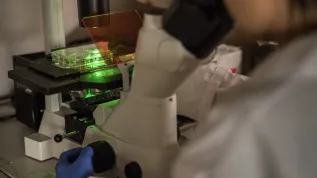
A previously unknown function of specialised liver vascular cells, showing that they actively remove free haemoglobin from the bloodstream, has been identified by scientists from the International Institute of Molecular and Cell Biology in Warsaw.
-

‘Cigarette smoke may cause selenium deficiency in children’, say Wrocław researchers
Exposure to tobacco smoke during pregnancy, including passive smoking, may lower selenium levels in children, according to research conducted at the Wrocław Medical University.
-
Polish scientists co-create European model for dementia prevention
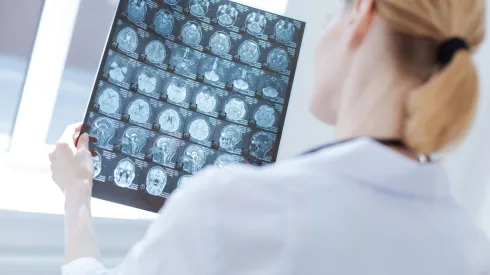
Scientists from the Medical University of Lublin are participating in an international project aimed at slowing the development of dementia through early risk detection and tailored preventive measures.
-
Intestinal infection weakens intestinal barrier, Wrocław study finds
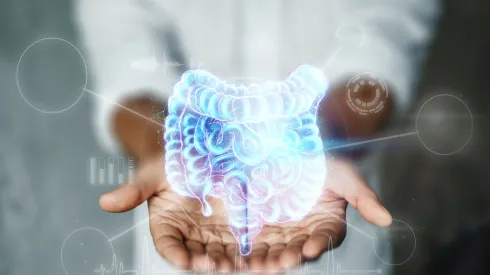
Intestinal infections can destabilise the connections between epithelial cells, causing the intestine to lose its protective barrier function, according to research conducted by scientists in Wrocław.
-

Polish brain-computer interface confirmed 'to work in space’
Astronauts aboard the International Space Station have successfully controlled a computer interface using only brain signals during the PhotonGrav experiment, part of Poland’s IGNIS mission. Despite physiological changes caused by microgravity, the system achieved an average control accuracy exceeding 80 percent.
-

Small RNA Gene variants identified as cause of retinitis pigmentosa
An international team of researchers has identified a previously underrecognized genetic cause of retinitis pigmentosa, showing that in some patients the disease stems not from defects in protein-coding genes but from subtle changes in small RNA molecules essential for gene processing.
-
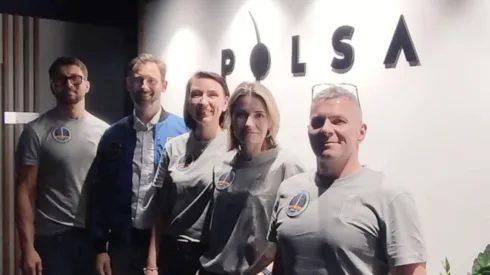
Neurofeedback brain training protects astronauts from stress during space missions
Brain training with neurofeedback proved to effectively protect astronauts from stress, specifically the stressor of social isolation, during missions to the International Space Station, according to results from the Polish IGNIS mission.
-

Kraków scientists turn chemotherapy into targeted therapy with new brain tumor delivery
Researchers at Jagiellonian University in Kraków have developed a new method for administering temozolomide (TMZ), a chemotherapy drug used in brain tumor therapy, that could improve treatment effectiveness and reduce side effects.
-
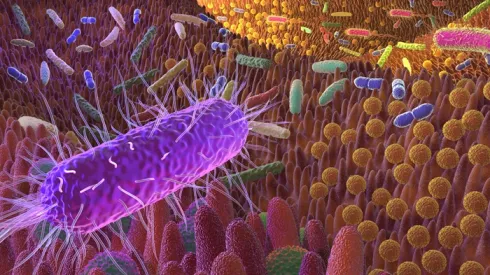
Gut bacteria offers new hope in lung treatment
Researchers from the Nencki Institute of Experimental Biology have identified a compound produced by gut bacteria that can reduce lung inflammation, raising the prospect of new treatments for asthma and severe respiratory infections.
-
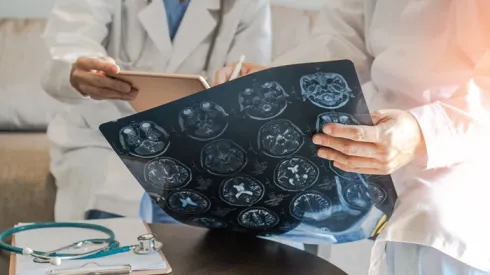
New study maps timing between brain signals and blood supply
An international research team from Berlin, Ljubljana, and Warsaw has quantified how long it takes for blood vessels to respond to neural activity during simple motor tasks, and how stable this delay is across individuals and repeated trials.
Most Popular
-
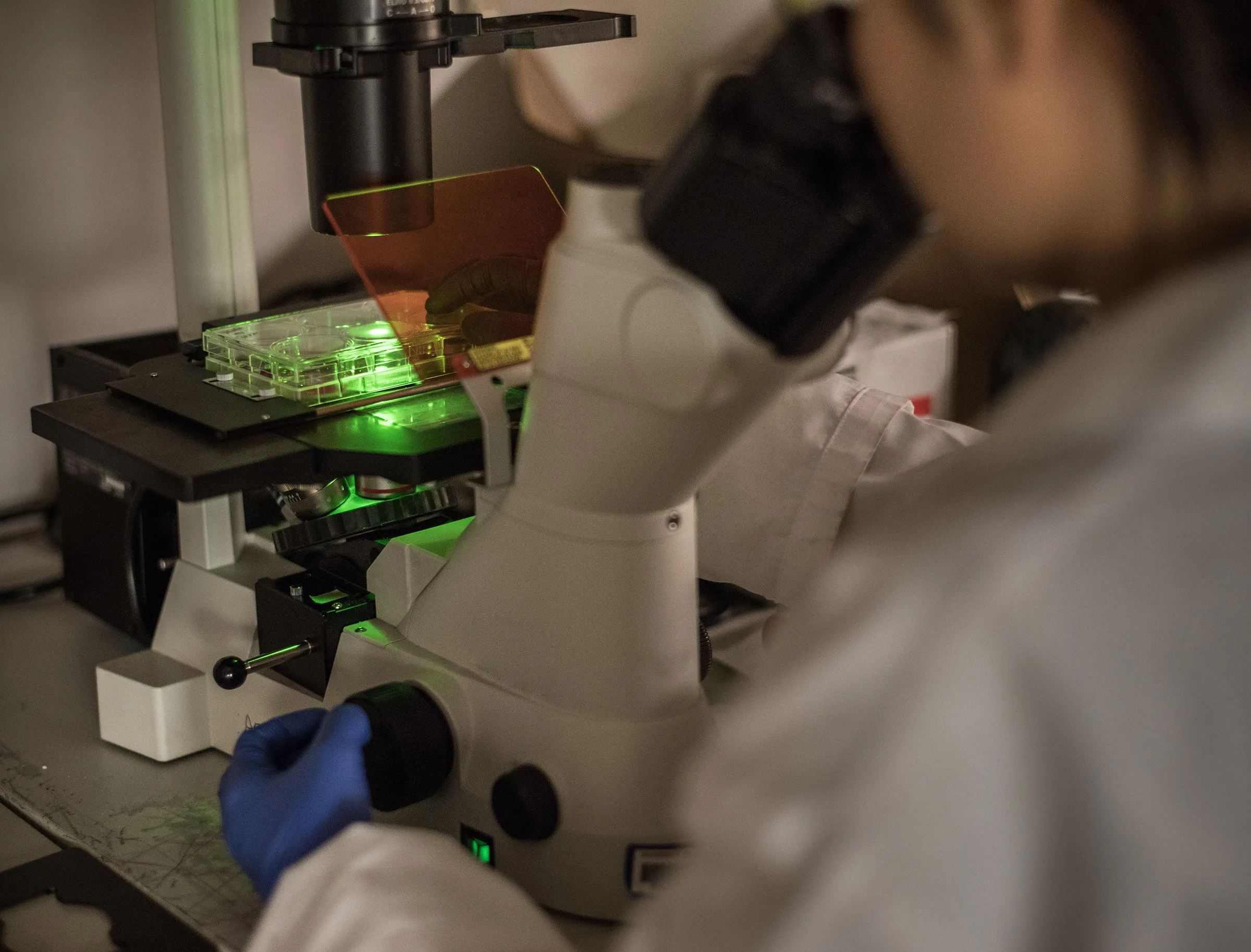
Polish scientists warn GFP fluorescent marker may lead to misinterpretation in cell research
-
Polish brain-computer interface confirmed 'to work in space’
-
Polish study finds infant speech development closely linked to whole-body movement
-
Warsaw scientists discover new function of specialized liver vascular cells
-
‘Letting children play is crucial for their development’, says psychologist