
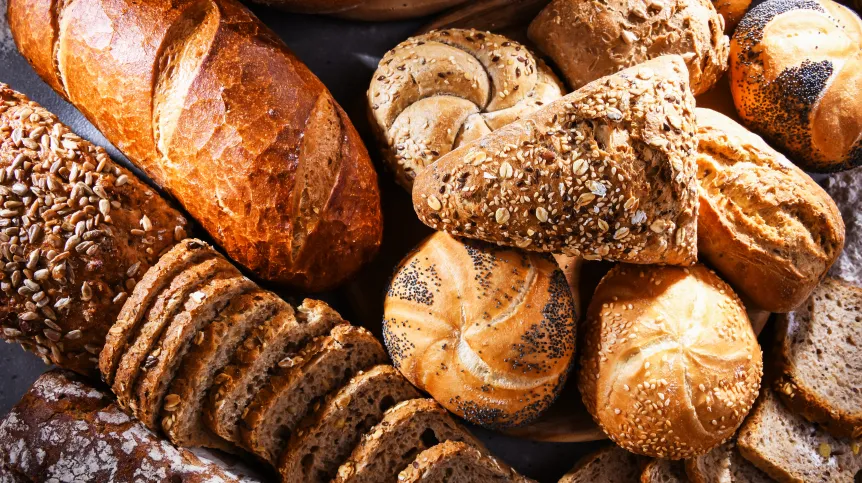
Higher consumption of highly processed grain products is associated with an increased risk of developing inflammatory bowel disease (IBD), an analysis involving scientists from Wroclaw Medical University has found.
IBD, which includes Crohn’s disease and ulcerative colitis, is influenced by genetic, immunological and environmental factors. Diet is also attracting increasing attention as a factor that may affect the risk of developing the disease.
Researchers involved in the international PURE project investigated whether the risk of IBD was associated not only with the amount of grain products consumed but also with how they were processed.
The study involved more than 140,000 adults from 27 countries who were monitored for many years. During the study period, 467 new cases of IBD were recorded.
The researchers adjusted their analysis for factors including age, sex, physical activity, smoking, place of residence and overall diet quality.
The results showed that higher consumption of more processed grain products was associated with an increased risk of developing IBD. No such association was found for less processed grain products.
‘Diet is one of the key modifiable risk factors for inflammatory bowel disease. The study shows that ultra-processed grain products may be of particular importance; therefore, the findings have implications for both dietary recommendations and prevention strategies’, says Alicja Basiak-Rasała, PhD, from the Department of Population Studies and Prevention of Civilization Diseases at Wroclaw Medical University, quoted in the university press release.

The products studied ranged from industrially packaged bread, cakes and pies to instant noodle-based products. The authors stress that the findings should not be generalised to all grain products.
‘This study focused specifically on grain products and revealed a particularly strong link with highly processed ones. At the same time, consumption of high-quality, less processed bread or rice did not increase the risk of inflammatory bowel disease’, Basiak-Rasała says.
The study did not identify a single specific ingredient responsible for the association. No similar association was found for unprocessed red meat, poultry, dairy, starchy foods, vegetables, fruit or legumes. There was also no link between sodium intake and IBD risk.
The researchers mention industrial food additives such as emulsifiers, preservatives and maltodextrins as possible factors. Experimental studies suggest that some of these additives may alter the gut microbiota, compromise the intestinal barrier and promote inflammation. It is estimated that up to 40 percent of dietary emulsifiers are consumed in processed grain products.
‘In practice, completely eliminating highly processed foods is very difficult today. However, it is best to choose fresh and minimally processed products as often as possible and maintain a diet rich in fibre, whole grains, vegetables, fruits, and legumes. The Mediterranean diet remains a good nutritional model; other studies have linked it to a lower risk of developing IBD’, Basiak-Rasała says.
The findings are based on data from the international PURE (Prospective Urban Rural Epidemiology) study, one of the largest epidemiological projects analysing social, environmental and lifestyle factors and chronic disease.
The project is currently being conducted in 27 countries and was initiated by Professor Salim Yusuf of McMaster University in Canada.
Since 2007, the Polish cohort has been led by Professor Katarzyna Zatońska and Professor Andrzej Szuba at Wroclaw Medical University. According to the university, it is one of the largest and longest-running population studies in Poland. (PAP)
PAP - Science in Poland
ros/ zan/
tr. RL