
-
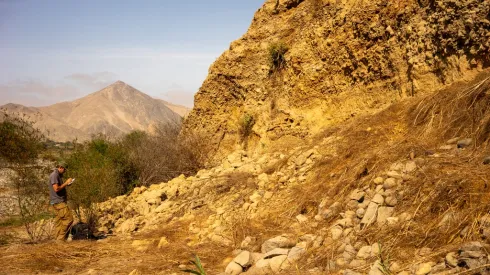
Ancient metal waste reveals 2,000-year-old trade route across the Andes
A tiny piece of metallurgical waste found in the hand of a young man buried in pre-Inca Peru suggests that metals used to make tools were transported hundreds of kilometres from present-day Bolivia.
-
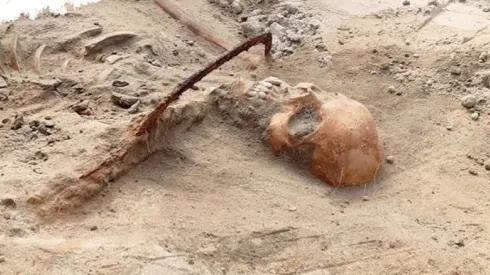
‘Vampire’ grave mystery deepens as 17th-century woman ‘may have been an outsider’
A 17th-century woman buried with a sickle around her neck and a padlock on her toe may have come from outside the local community, while a mysterious copper object placed in her mouth suggests locals took further measures to protect themselves from her after death, new research shows.
-
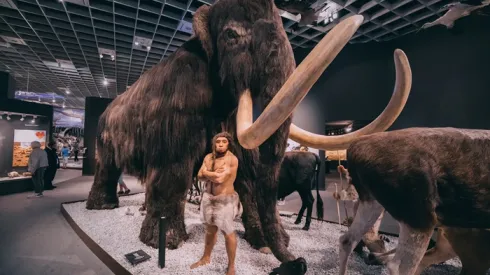
Ice Age hunters may have targeted female mammoths, ancient DNA reveals
Ice Age hunters may have preferred hunting female woolly mammoths, according to an analysis of ancient DNA from more than 500 mammoth bones.
-
Teeth reveal what Wrocław residents ate 200 years ago
The teeth of Wrocław residents who lived more than 200 years ago have revealed what was on their plates, from wheat, rye and barley to peas, beans, pork and Baltic herring.
-
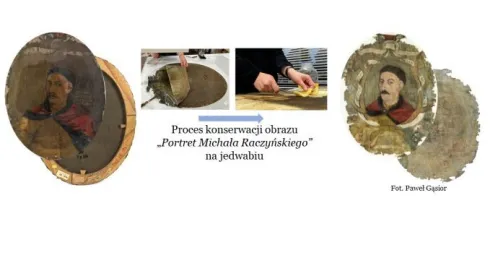
Polish researchers test safer way to remove old conservation layers from historic paintings
Polish scientists have developed a nanocomposite gel that has been used to safely remove old conservation materials from a historic painting by renowned artist Włodzimierz Tetmajer.
-
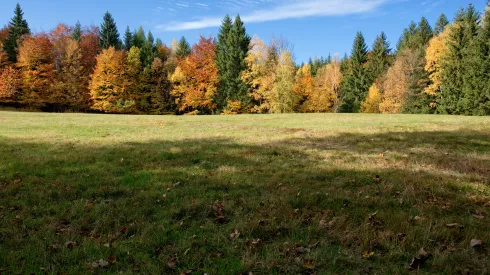
Europe's primeval landscape wasn't endless forest after all, surprising study finds
Europe's primeval landscape was not an endless expanse of dense forest as long believed, but a patchwork of woodland, meadows and grasslands maintained by large grazing animals, according to a new study.
-
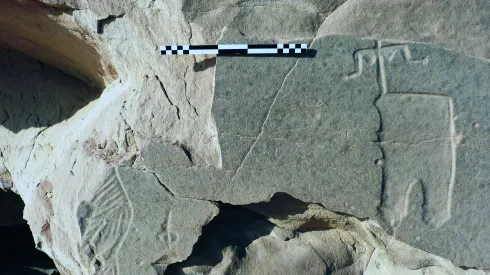
Ancient Egyptian rock art reveals two very different relationships between humans and animals
For thousands of years, prehistoric artists in Egypt’s Dakhleh Oasis carved humans and animals into desert rocks — but they did not always tell the same story. Some images show people and wildlife existing side by side in harmony, while others portray hunting, control and violence.
-
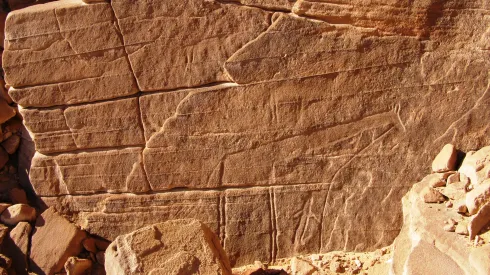
Climate change threatens Egypt’s ancient rock art as Polish archaeologists race to document it
Thousands of ancient rock carvings scattered across Egypt’s Western Desert are slowly disappearing. Rising temperatures, stronger winds, increasingly regular heavy rainfall and human activity are damaging some of Africa’s richest collections of prehistoric art, while Polish archaeologists are working to document what remains before it is lost.
-
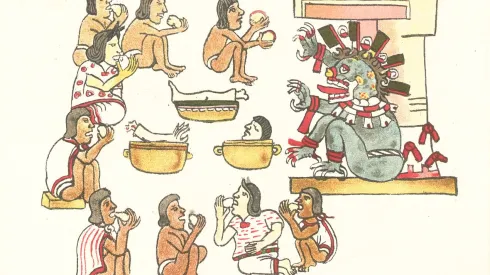
Cannibalism disappeared because it was too costly for human survival
Cannibalism did not disappear by accident. It became too costly for the societies that practiced it, with long-term human consumption driving epidemics and ultimately contributing to population decline, according to a new study by Polish and Czech scientists.
Most Popular
-

‘I wandered lonely as a cloud’…but fewer clouds mean more UV exposure across Europe
-
Single photon reveals the secrets of a single molecule
-
Kraków scientists find new way to identify the best eggs for IVF
-
Scientists turn thunder into a tool for seeing underground
-
Nobel Laureate Professor Victor Ambros awarded Polish citizenship