

-

That Christmas smell: How scents used in stores affect our wallets
The festive scent of cinnamon, pine or freshly baked biscuits drifting through shops in December may feel comforting and familiar.
-
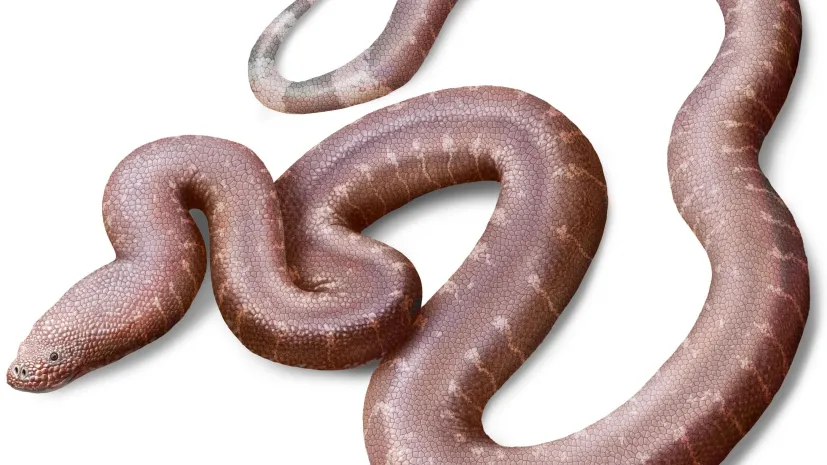
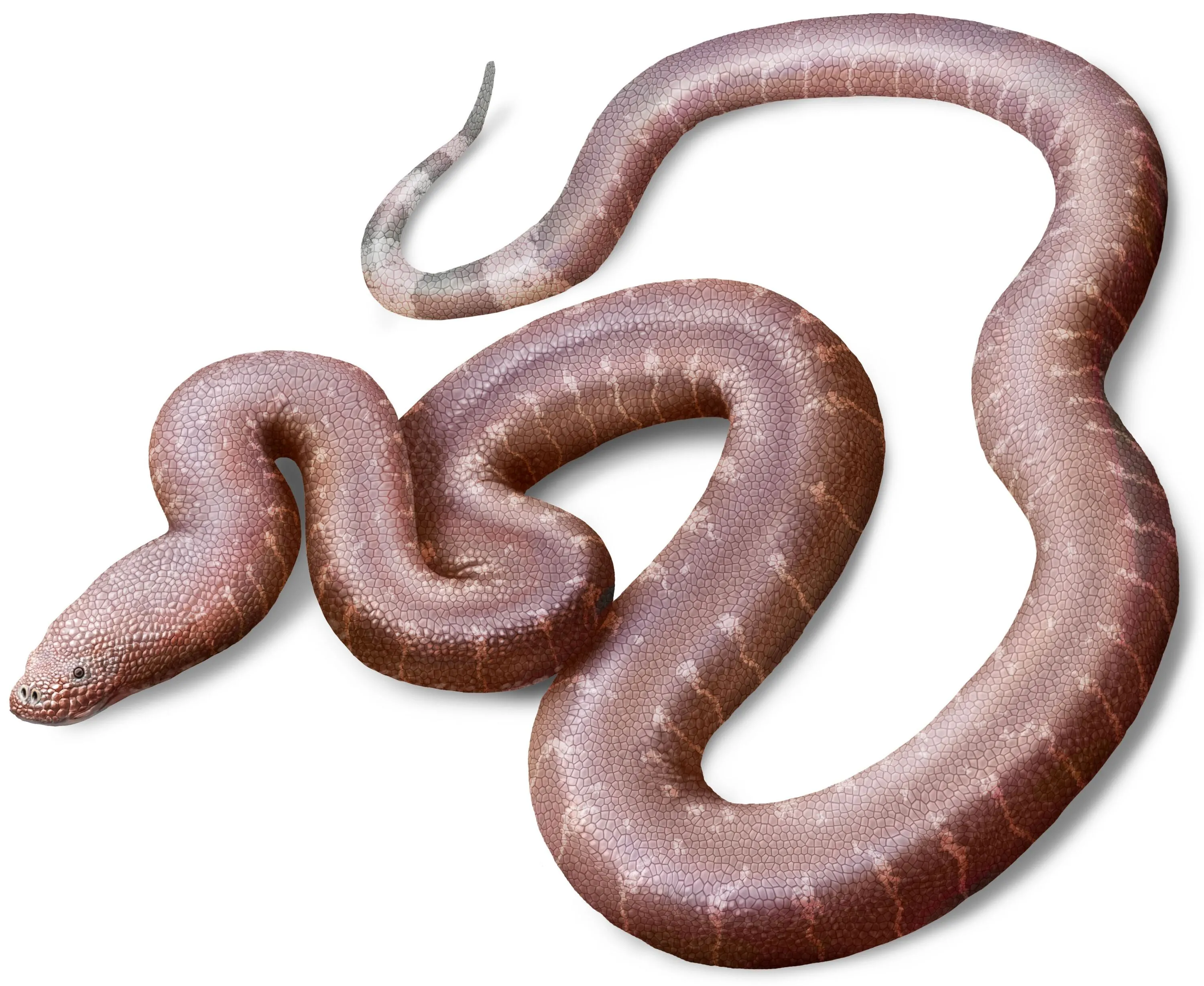
New snake species from 37 million years ago sheds light on early evolution of 'advanced snakes'
A newly identified snake species from 37 million years ago is providing rare insight into the early evolution of caenophidians, the group that today dominates snake diversity worldwide, according to palaeontologists who described the fossil based on material from southern England.
-
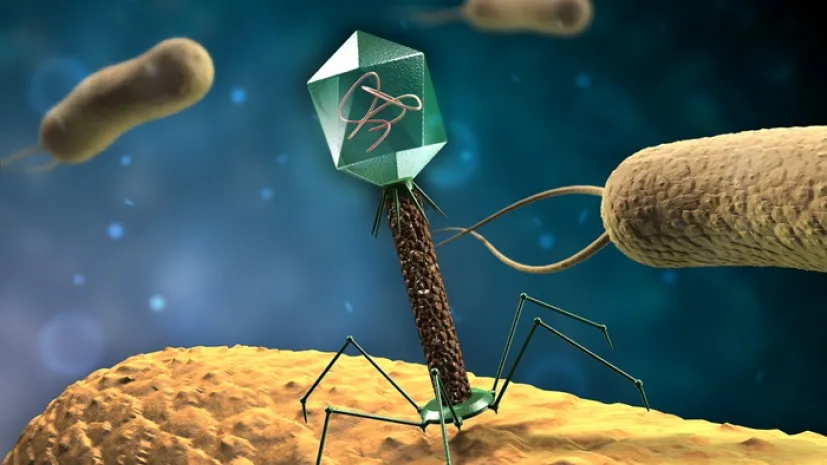
Bacteriophages vs. superbugs: The new weapon against antibiotic resistance
Researchers at the Pomeranian Medical University are reporting new findings on the use of bacteriophages - viruses that infect bacteria - in infections that no longer respond to standard antibiotic treatment.
-

Creative activities from dancing to gaming can slow brain ageing, study finds
Engaging in creative activities such as dancing, painting, and even playing certain video games can delay brain ageing, according to an international study. The effect is stronger the more experience an individual has in these activities, the researchers report.
-
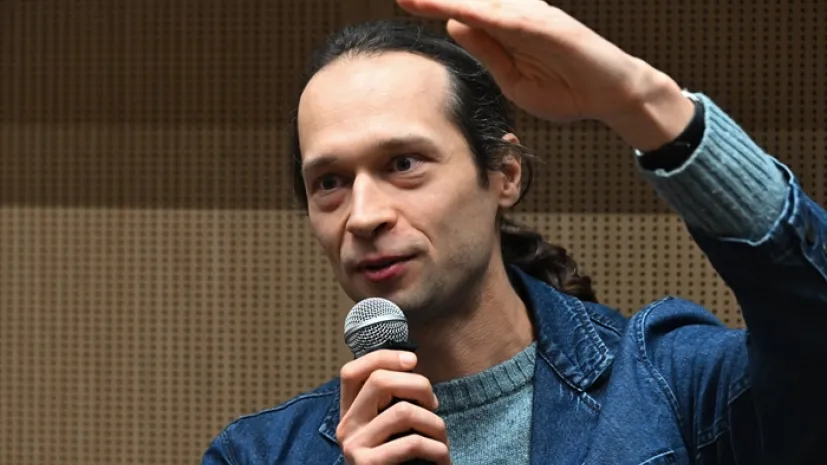
Medieval farming boosted bio-diversity in Germany, study finds
Agricultural reforms introduced in early medieval Europe sharply increased biodiversity in parts of Germany and pushed species richness to levels higher than before human settlement, according to a study published in PNAS. The findings challenge the assumption that agriculture has historically harmed ecosystems, co-author Professor Adam Izdebski said.
-

Stressed parents more likely to share screen devices with their children, study finds
Stressed parents are more likely to give screen devices to their children, which can increase the risk of overuse, according to new research. The findings also suggest that parents’ knowledge of recommended screen time limits for preschoolers has little impact on actual practices.
-
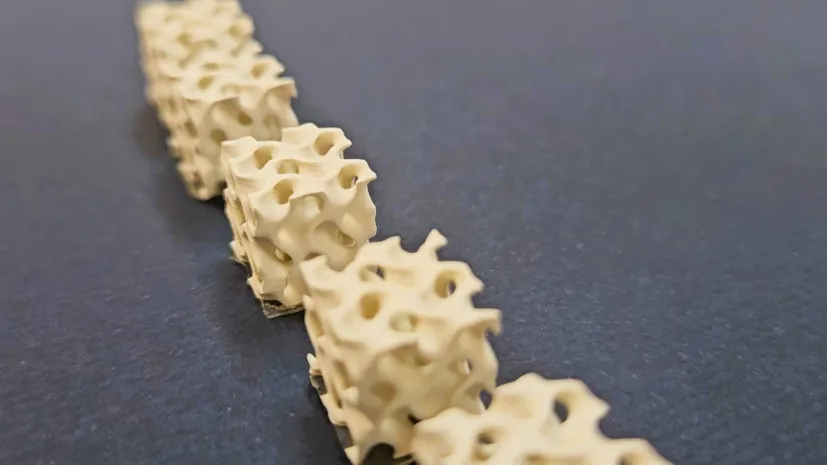
Researchers develop 3D-printable ceramic resin for custom bone implants
Researchers from the Cracow University of Technology (CUT) and the Polish Academy of Sciences have developed biocompatible, photocurable ceramic resins that mimic bone structures, enabling rapid 3D printing of custom endoprostheses and implants.
-
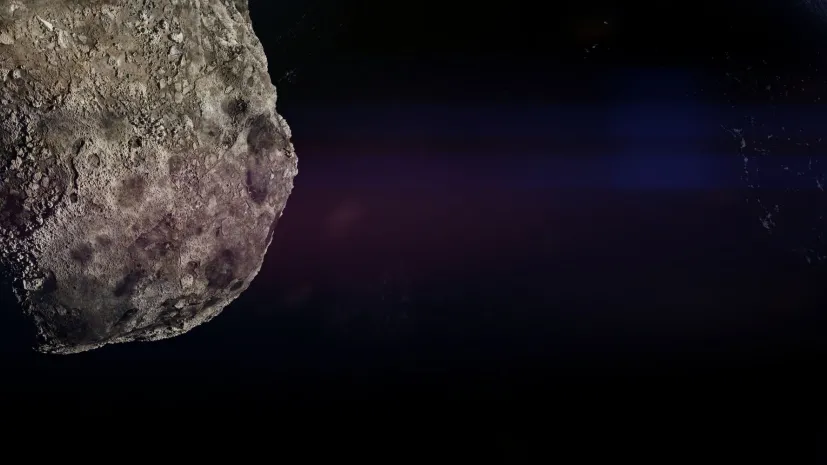
Astronomers probe long-term impact risk of 60-metre asteroid
A 60-metre asteroid known as 2018 BY6 routinely cuts across Earth’s orbit and in future flybys could pass our planet only a few lunar distances away. Now a team of astronomers is tracking its long-term trajectory to determine whether it might eventually pose a genuine impact risk.
-

How we view past, present and future shapes anxiety and depression, researcher says
Developing the ability to notice and enjoy everyday pleasures is an important protective factor against anxiety and depression, says researcher Iwona Nowakowska from the Maria Grzegorzewska University in Warsaw.
Most Popular
-
New snake species from 37 million years ago sheds light on early evolution of 'advanced snakes'
-
Medieval farming boosted bio-diversity in Germany, study finds
-
Creative activities from dancing to gaming can slow brain ageing, study finds
-
Stressed parents more likely to share screen devices with their children, study finds
-
Bacteriophages vs. superbugs: The new weapon against antibiotic resistance
Recommended
New snake species from 37 million years ago sheds light on early evolution of 'advanced snakes'
A newly identified snake species from 37 million years ago is providing rare insight into the early evolution of caenophidians, the group that today dominates snake diversity worldwide, according to palaeontologists who described the fossil based on material from southern England.