
-
Psychiatric drugs leave distinct signatures on the brain, Polish scientists find
Psychiatric drugs leave distinct signatures in the brain’s electrical activity that can be detected in EEG recordings, according to a major Polish study that analysed more than 24,000 recordings collected over two decades.
-
‘Good genes’ can make people eat worse, Polish study finds
Telling people they have a genetic risk of obesity does not necessarily help them lose weight or change their eating habits — and being told they have a low risk may actually encourage unhealthy behaviour, a Polish-Greek study has found.
-
Breast cancer hijacks ‘sperm and egg’ protein to survive chemotherapy
A protein normally involved in the production of sperm and eggs can be hijacked by breast cancer cells to repair DNA damaged by chemotherapy, helping tumours survive treatment, an international team including Polish scientists has found.
-
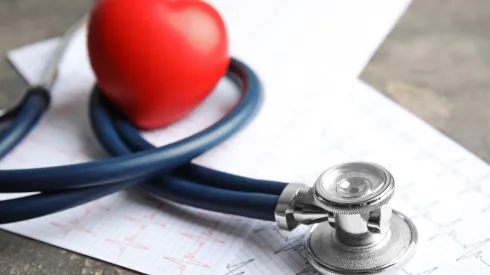
Polish scientists develop early warning system for heart failure
A team of Polish physicists and engineers is developing a portable device that could detect worsening heart failure at home before fluid buildup in the lungs leads to severe breathlessness and emergency hospitalisation.
-
Scientists turn carbon dioxide into a safer chemical tool
Carbon dioxide, the gas widely associated with climate change, has been given a surprising new role by scientists: a safer source of oxygen in chemical reactions used to make medicines, plastics and fragrances.
-

Smartphone 'phubbing' during pregnancy linked to postpartum depression symptoms
Feeling ignored by a partner distracted by a smartphone during pregnancy may be linked to more severe postpartum depression symptoms, a study involving Polish researchers suggests.
-
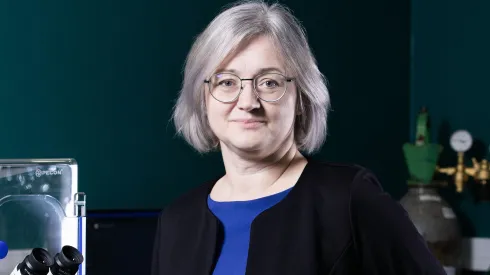
Space science offers new hope against drug-resistant cancer
Scientists in Poland have shown that simulated space conditions can make drug-resistant cancer cells more vulnerable to chemotherapy, a discovery that could help researchers develop more effective cancer treatments.
-
Polish doctors launch first trial of virus-fighting immune cell therapy
Polish doctors have treated a patient with virus-fighting immune cells for the first time in a clinical trial, a milestone that could expand treatment options for stem cell transplant recipients with life-threatening drug-resistant infections.
-

Lightning hit 131 tourists on a Polish mountain - now scientists reveal the lessons that could save lives
People's clothes caught fire, shoes exploded, and large pieces of rock flew through the air like projectiles. These were the events on Poland’s Mt. Giewont on August 22, 2019, when an exceptionally powerful lightning strike hit a large group of people attempting to evacuate from the summit area.
Most Popular
-

Taboos ‘protect communities’ from risk of disease, losses, and social conflict
-
Kraków students power to victory in inaugural solar boat challenge
-
Psychiatric drugs leave distinct signatures on the brain, Polish scientists find
-
Gut jet lag: Long journeys can disrupt the bacteria in your intestines, Polish scientists warn
-
Polish researchers test safer way to remove old conservation layers from historic paintings
Recommended

Taboos ‘protect communities’ from risk of disease, losses, and social conflict
Taboos can act as cultural protective mechanisms that reduce the risk of disease, help people survive in difficult environments, strengthen social bonds and define boundaries between groups, says psychologist Michał Misiak, PhD, from the University of Wrocław, who is leading an international study of taboos in different cultures.