
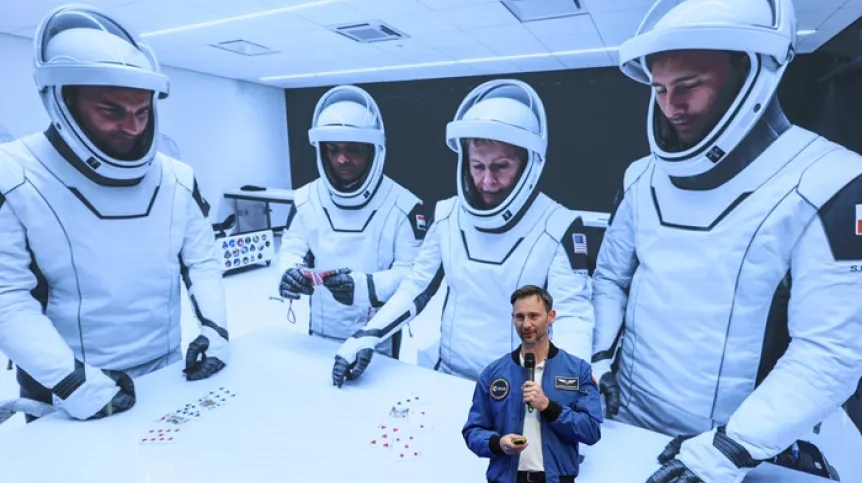
Preliminary results from the Astro Performance experiment indicate that astronauts returning from the IGNIS mission experienced significant changes in vitamin D levels and motor stability, researchers said, after analysing more than 14,000 health parameters collected before and after the flight.
The study, conducted by researchers from the Astro Performance project, involved astronaut Sławosz Uznański-Wiśniewski and an unnamed crew member.
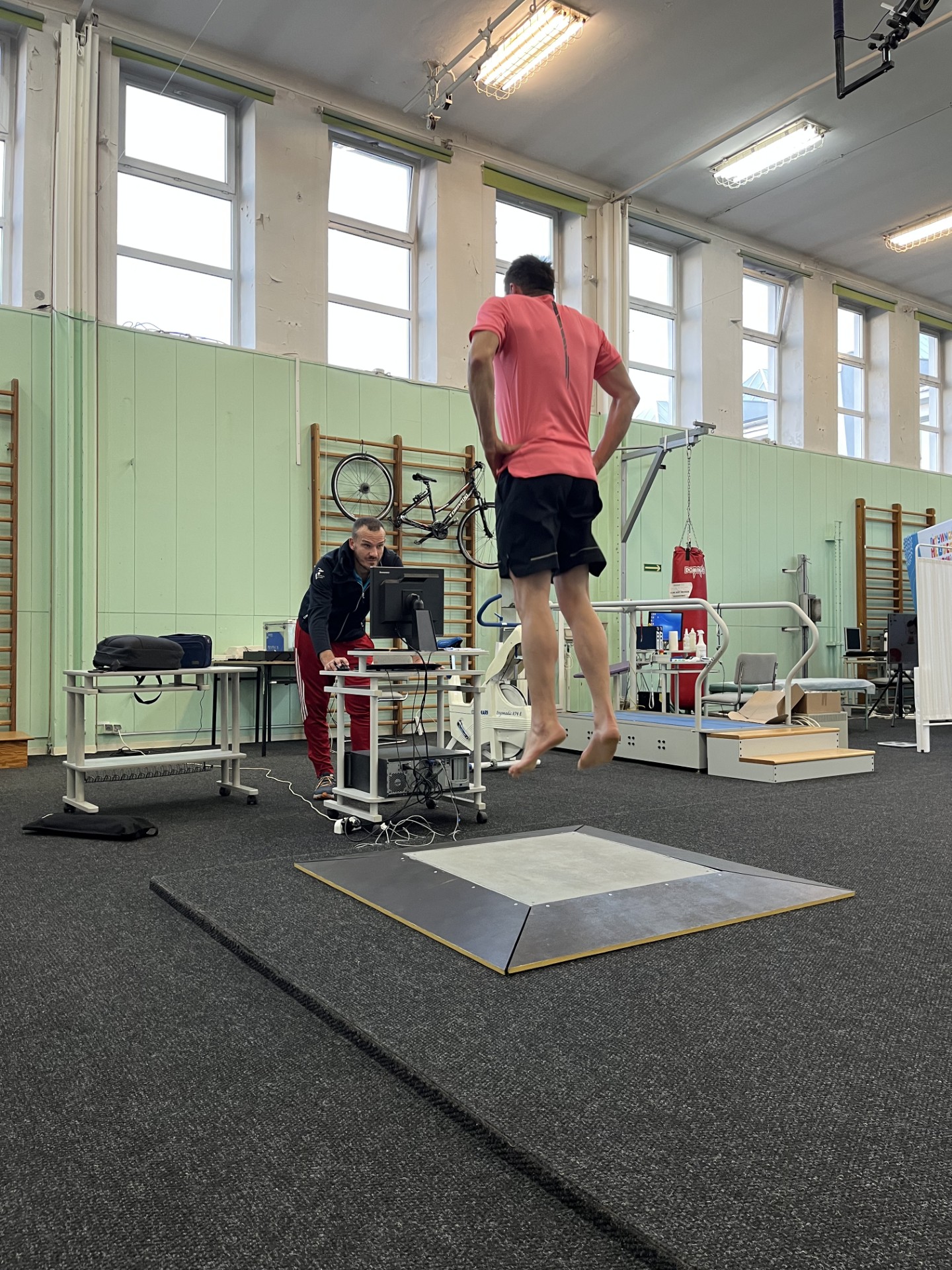
Data were collected six months before and one month after the mission, with each astronaut undergoing two hours of medical and performance testing, including blood analysis, MRI scans, body composition measurements and physical fitness assessments.
A control group of 10 individuals on Earth followed a similar protocol to help distinguish the effects of microgravity from those caused by training, stress and travel.
“This allows us to distinguish changes occurring directly under the influence of microgravity from those resulting from intensive preparation, stress, time zone changes”, said Norbert Kapiński, PhD, of Smarter Diagnostics, a University of Warsaw spin-off responsible for the experiment.
Researchers identified multiple deviations, including 15 in metabolic parameters, 19 in movement analysis and 11 in body structure.
“Certain differences before and after the mission were striking. For example, we noticed a deterioration in some stabilographic test parameters responsible for motor coordination”, Kapiński said.
The findings included increased difficulty maintaining balance, particularly when standing on one leg with eyes closed, as well as changes in lower limb muscle strength and hip bone density.
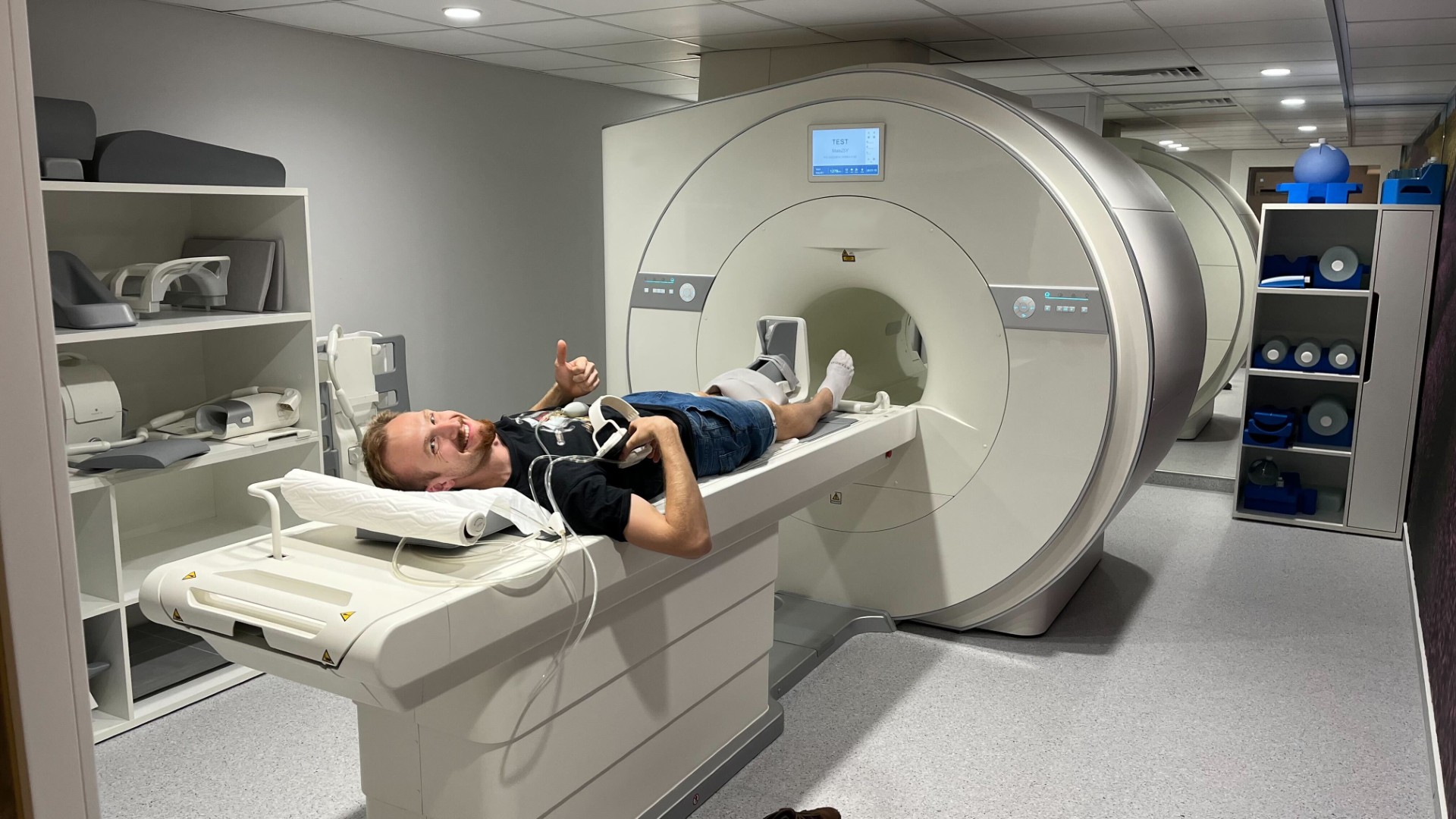
“Bones and muscles weaken very quickly in microgravity, and the astronauts had a rather limited exercise program during this mission”, he said.
The study also recorded elevated insulin levels and changes in vitamin D, which researchers said highlight the need to reassess supplementation and nutrition strategies before, during and after space missions.
The data are now being processed using artificial intelligence as part of the development of an automated diagnostics platform. The system uses specialised AI agents trained on datasets from around 3,000 athletes to analyse MRI scans, body composition and blood results.
“Our technology is based on specialised AI agents. Some analyse MRI images, others analyse body composition and blood results. We want the specialist to avoid having to analyse thousands of tables, images, or descriptions, but instead receive a ready-made summary of significant anomalies from the system”, Kapiński said.
Researchers said the platform could in future support not only space medicine but also applications in the military and other uniformed services. A proof-of-concept system is currently in preparation and is expected to be presented at international astronautical congresses.
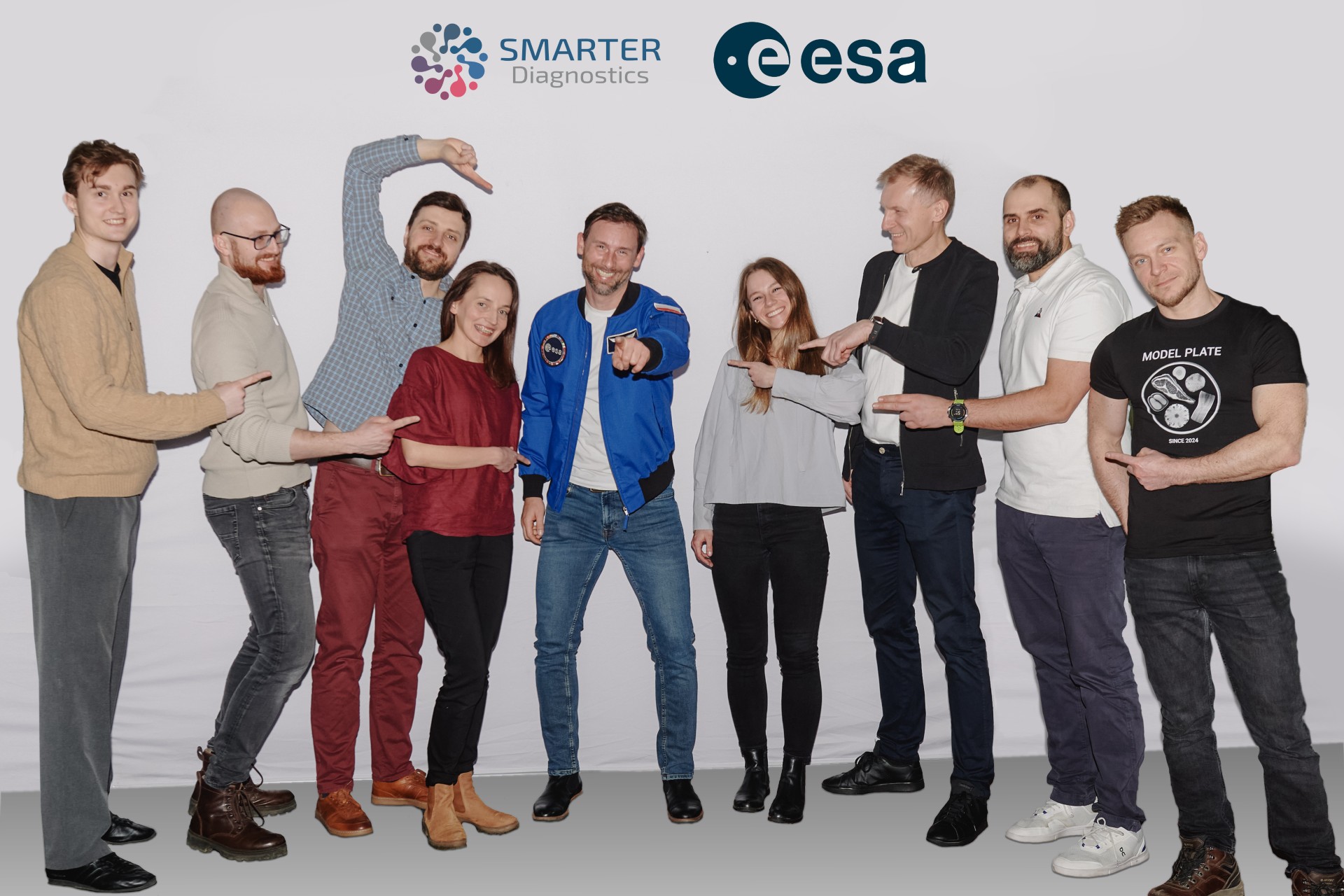
“The number of missions will grow exponentially, thanks to the Artemis program and space tourism, among other initiatives. No doctor will be able to analyse such a massive influx of data on their own in such a short time. If we make good use of current experience, Poland has the potential to become a significant space medicine centre”, Kapiński said.
PAP - Science in Poland, Ludwika Tomala (PAP)
lt/ agt/
tr. RL