
-

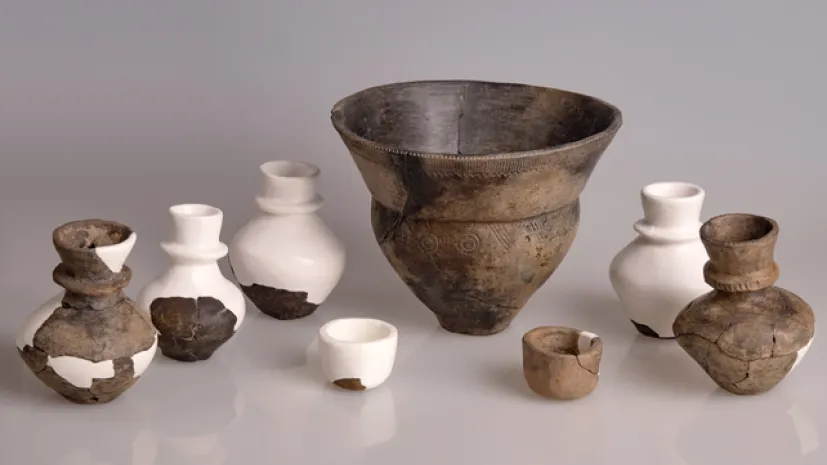
Polish archaeologists discover remains of ancient ship graveyard
Archaeologists from the University of Warsaw have uncovered a more than 100-metre-long strip of ancient shipwreck remains near the port of Ptolemais in current-day Libya, indicating multiple maritime disasters occurred along the route to the city, researchers said.
-
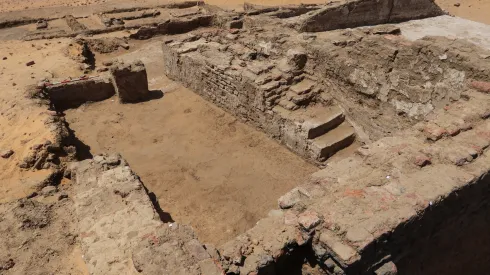
Polish archaeologists uncover document confirming existence of legendary king
Polish archaeologists working in Old Dongola in Sudan have discovered an Arabic document confirming the existence of King Qasqash, a ruler previously regarded as a semi-legendary figure.
-
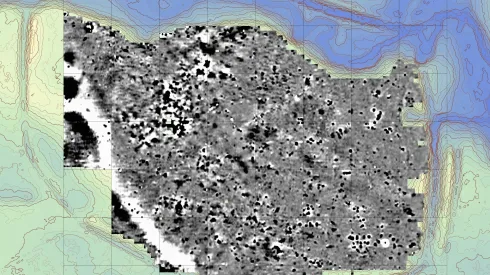
Archaeologists discover traces of forgotten medieval town
Archaeologists have discovered traces of the medieval town of Stolzenberg near the settlement of Zagrody close to Sławoborze in north-western Poland. The town was likely founded in the second half of the 13th century or at the beginning of the 14th century and existed only briefly before being abandoned under unknown circumstances.
-
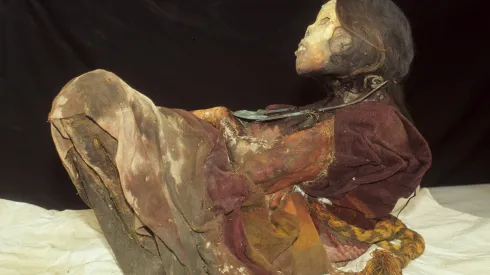
First known case of intentional mummification of Inca child sacrifice
Children sacrificed in Inca capacocha rituals may have been reburied and deliberately modified after death, according to new research led by Dagmara Socha from the University of Warsaw.
-
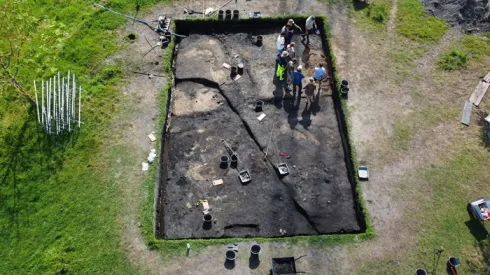
Archaeologists uncover unknown hut structures and possible early medieval port in Poland
Archaeologists in the Polish town of Wolin have discovered the remains of four huts of previously unknown construction, hundreds of everyday artefacts and possible traces of an early medieval port, findings that suggest the history of the town may be more complex than previously assumed.
-
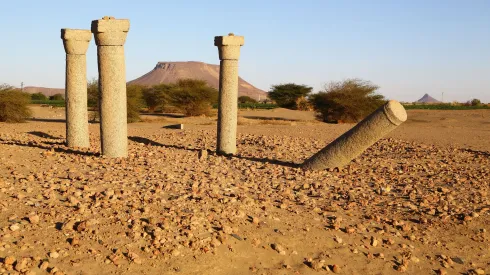
Polish archaeologists discover 4,000-year-old Kerma grave in Sudan’s Bayuda desert
Polish scientists have uncovered a man’s grave dating back approximately 4,000 years in Sudan’s Bayuda Desert, offering new insights into burial rituals and the natural environment of the region.
-
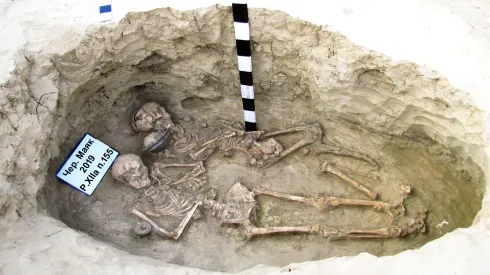
Toxic pigment found in 2,000-year-old women's graves
Archaeologists have discovered lumps of intensely red cinnabar in the graves of women buried 2,000 years ago at the Chervony Mayak cemetery in southern Ukraine, suggesting that Late Scythian communities may have used the toxic pigment to slow decomposition or neutralize microbes.
-

Scientists to reconstruct faces of 1410 Battle of Grunwald fighters
Researchers say that the faces of fighters from the 1410 Battle of Grunwald could be reconstructed in just one year with the help of modern genetic and forensic techniques.
-

Medieval farming boosted bio-diversity in Germany, study finds
Agricultural reforms introduced in early medieval Europe sharply increased biodiversity in parts of Germany and pushed species richness to levels higher than before human settlement, according to a study published in PNAS. The findings challenge the assumption that agriculture has historically harmed ecosystems, co-author Professor Adam Izdebski said.
Most Popular
-

A sleep-deprived brain works like ‘an inefficient airport’, new study finds
-
Regular physical activity key to healthy aging, Silesian Medical University researchers say
-
Alert dogs helping diabetics detect ‘blood sugar drops faster than sensors’
-
Gut microbiota may worsen symptoms of atopic diseases, Wroclaw researchers find
-
EU SoilLifeBoats project tests waste-based granules to slow soil degradation